


League's inspiration is pursued by its enshittification
Riot cut 2XKO's dev team less than a month after launch and as a long-time League fan, I'm disappointed.

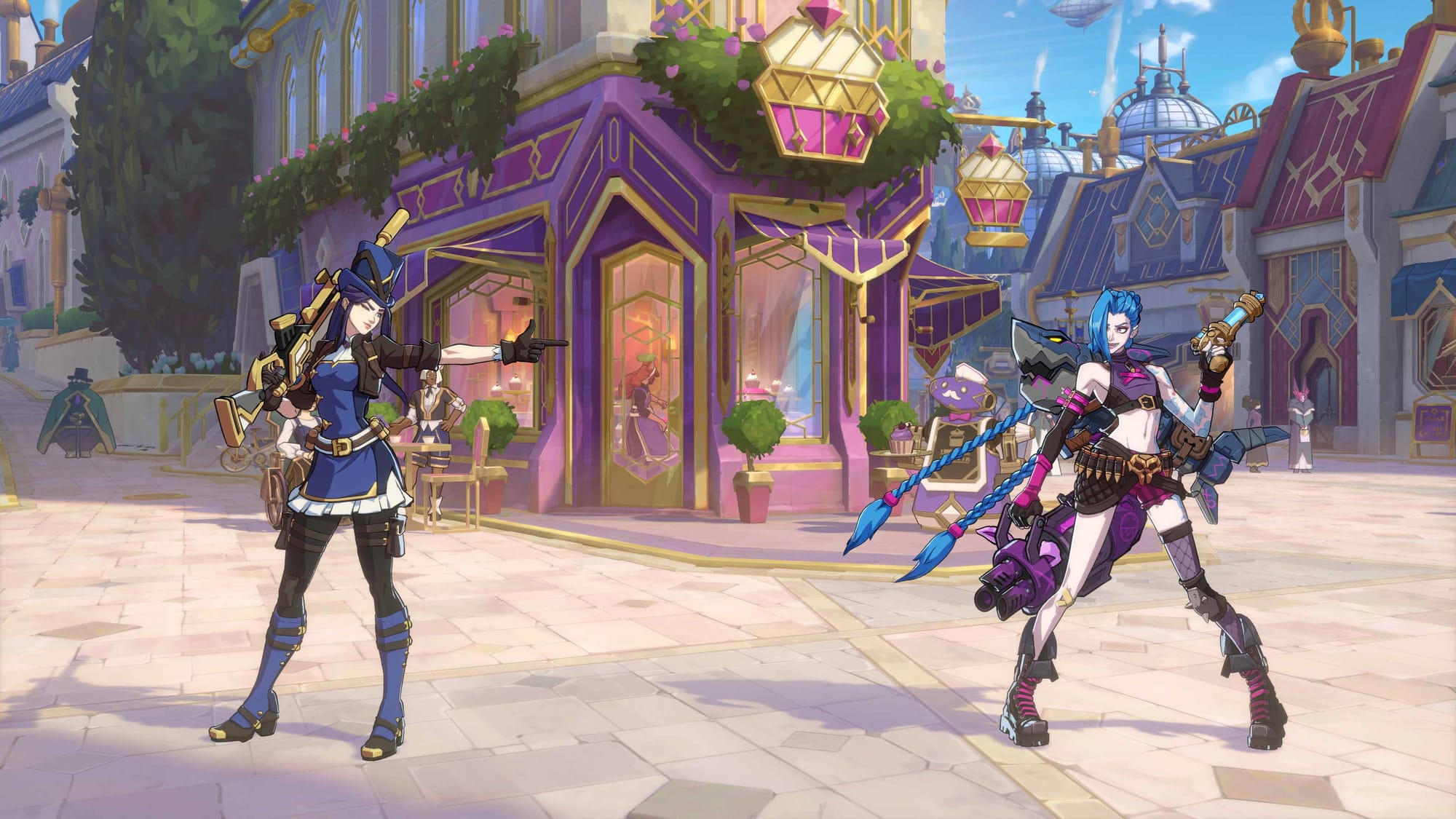
On Feb. 8, Riot Games announced they would be eliminating 80 roles on the 2KXO team. The fighting game, starring League of Legends characters in teams of two, was in development for nearly a decade. It took less than a month after its release on consoles for layoffs to happen. It’s a startling turn of events, and deeply disappointing — but also entirely in line with Riot’s recent actions and the overall trajectory of League and its associated spin-offs.
For context, I’m a long-time fan of League of Legends; I was playing all the way back in the olden days when characters had three polygons and the servers were constantly on fire. I’ve been there for every skin controversy (remember when The Magnificent Twisted Fate was considered the worst deal in League?) and every sudden pivot in direction. I’ve seen Riot retire game modes, retcon their entire library of lore, and in recent years, lay off scores of workers.
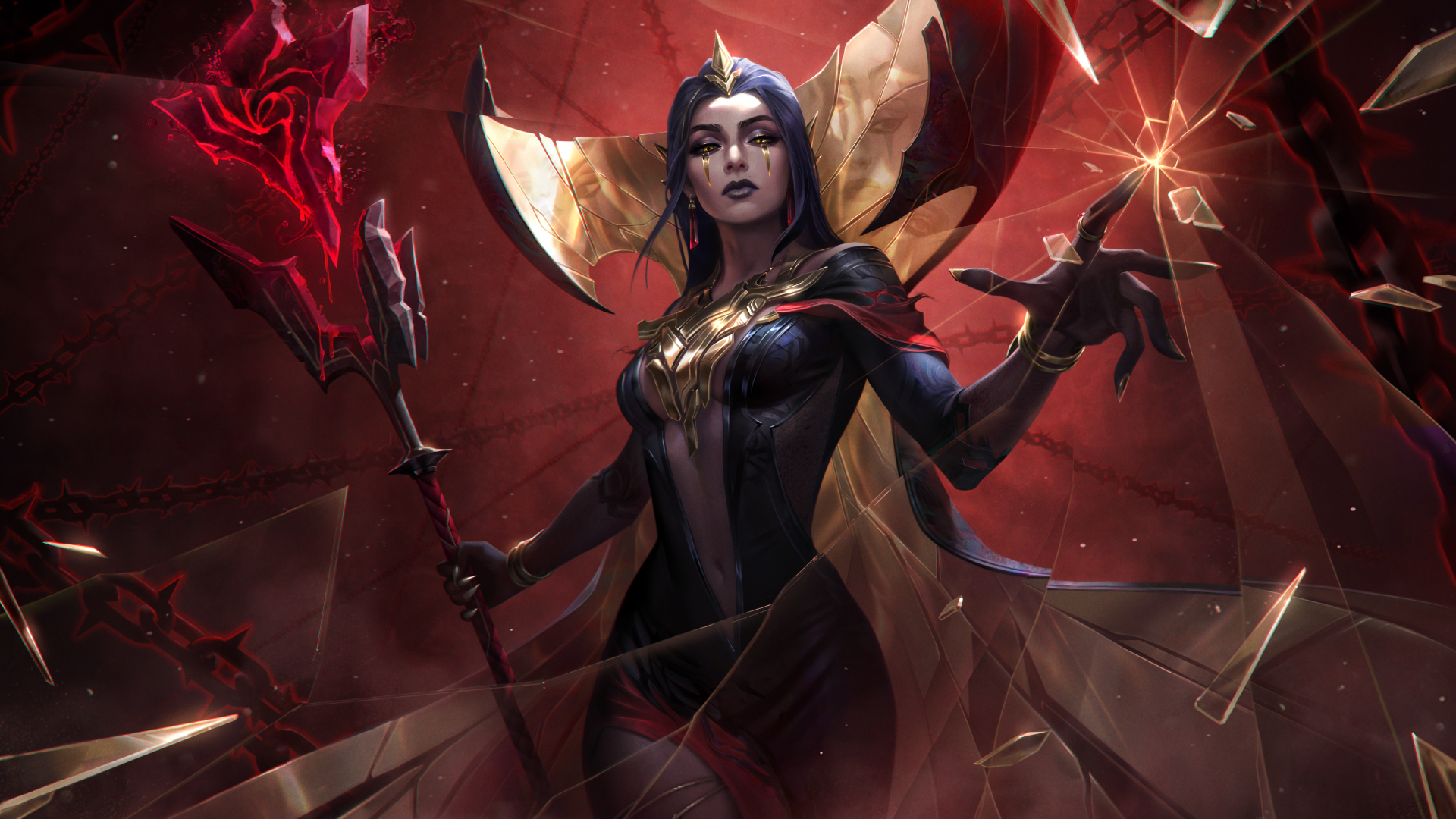
In fairness, League of Legends has changed, and some of the new features are actually quite excellent. I enjoy the fact that the Arcane plot has continued into League of Legends, coinciding with updates for champions like LeBlanc and Shyvana. I enjoy the in-client metagames like Demon’s Hand that help build the lore of Runeterra while providing a novel little gameplay experience to enjoy. If I could show this stuff to the younger version of me that spent hours playing the game and reading about the lore, they’d probably lose their mind.
But the most important lesson I have learned over my years as a fan is that there is no special sauce that makes Riot’s projects successful, nothing of value tied to the Riot brand specifically. It’s the developers, artists, and writers that are the ones creating the magic.
It’s incredibly disappointing that Riot, the company, wants to use the labor of these people in order to expand Runeterra and solidify League of Legends as a global brand ... and then cut them without letting that investment pay off.
It would be a lot easier to buy Riot’s repeated messaging that this isn’t about profits, but a tough decision made with regrets for the ultimate health of the game, if I wasn’t tuned in to the overall evolution of their products. Riot Forge, a publishing label for smaller-scale spinoffs set in the world of Runeterra, was closed down. At the time, I mourned the decision — and I still do! Riot Forge was one of the few ways I could share League with my friends without subjecting them to the torment of actually playing League of Legends.
The Universe page, once promised as a repository of world-building and lore, is now a host for new champion bios and little else. Arcane was great, but it seems to have retconned previous attempts at Riot’s storytelling, like the Ruination event. So much effort has been expended on projects that are dropped the second they aren’t a mega-hit. I’m forced to ask: If League of Legends was released today, in 2026, under Riot Games’ management, would it survive? Or would someone look at that bundle of potential that would slowly grow into a global phenomenon and strangle it in the crib because it wasn’t making any money?
A decade of development, and Riot gave the game less than a month to succeed. That’s absolutely wild, especially since this is a fighting game — that’s not a genre known for raking in beaucoup bucks.
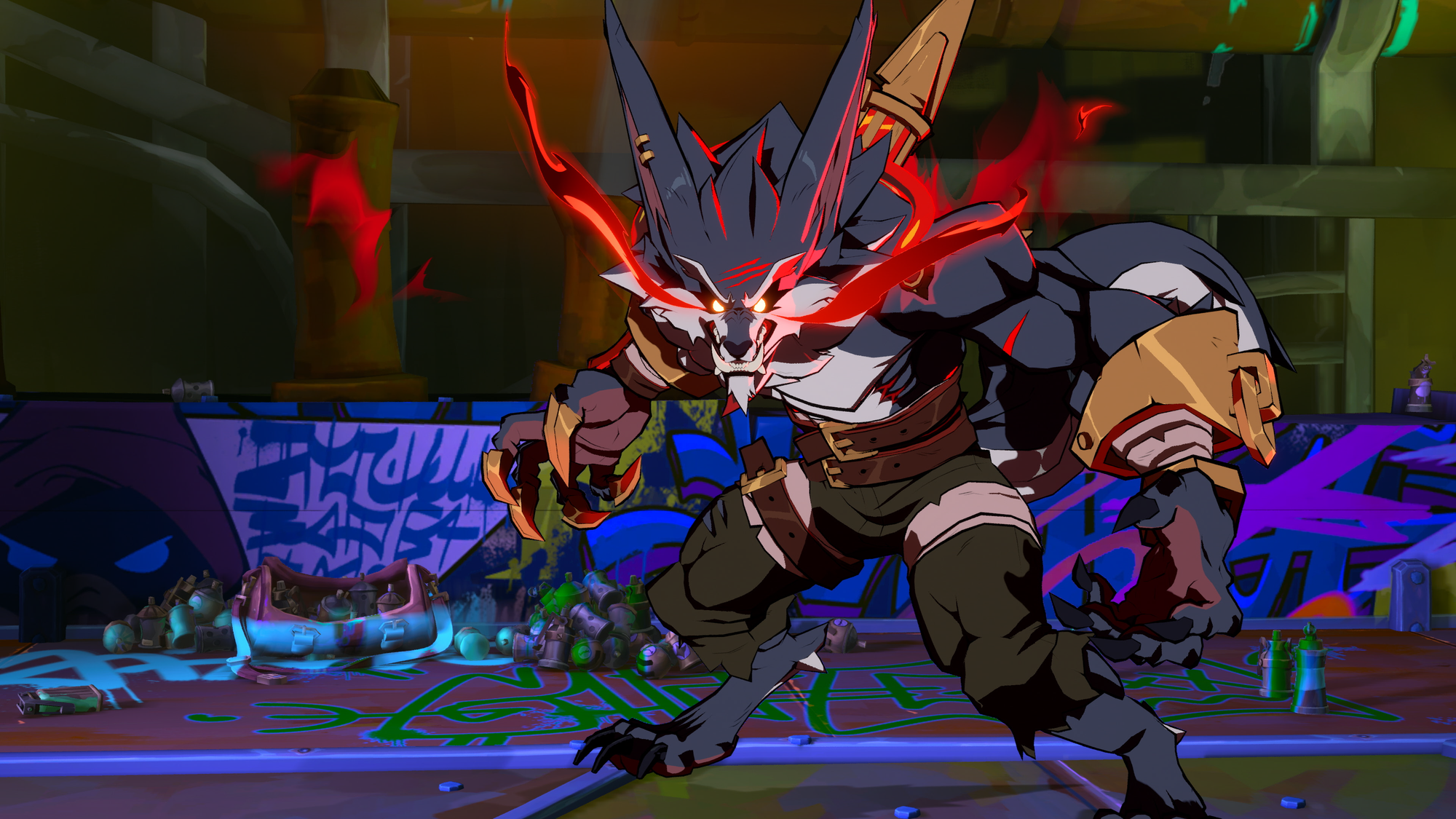
It’s especially galling when I look at how League of Legends, both on PC and mobile, keeps trying to get its sticky fingers into my wallet. I like Wild Rift, and the fact that it’s not slathered with ads and pay-to-win mechanics does, admittedly, put it above a large chunk of the free-to-play games on my phone. The trade-off is that I’m constantly bombarded with limited-time gacha events, paid memberships, new skins, FOMO sales, and other pop-ups.
League PC is not without sin, either, what with the Mythic skin tier. Mythic skins are meant to be the best of the best, and are available via lottery, with a cap of $250 before you’re guaranteed to pull one ... but some of them have fewer features than the much more reasonably priced Legendaries ($15) or even Ultimates ($25). In turn, the Legendary skins of recent patches share animations with their base model, and fans have broken down how they fail to meet the standards set by previous releases.
I fell in love with League of Legends when it was a scrappy underdog. Now, Riot seem hesitant to proceed in any direction. For every step forwards with a fun new game mode, or a neat feature, it feels like the company takes a couple of steps back with a new microtransaction or another profit-driven decision. After a decade of development and a month in the wild, 2KXO’s developer team deserved better, and it’s a shame Riot didn’t let them cook.