


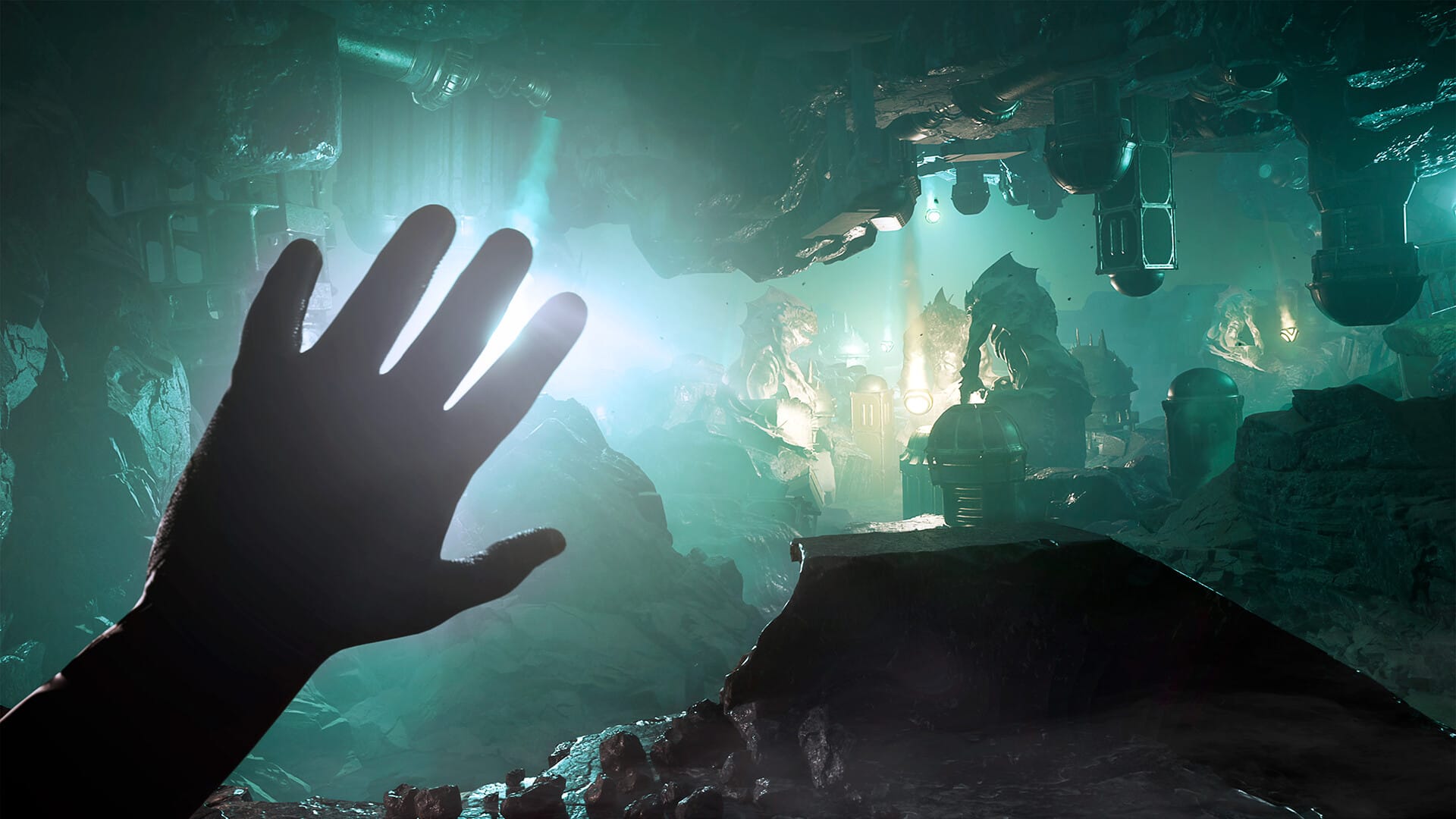
Cthulhu: The Cosmic Abyss seems like a really good Lovecraft-inspired game
Hate the player (Lovecraft), not the game (Cthulhu).

H.P. Lovecraft was a coddled, snowflake-fragile, whiny, antisemetic, racist failson. I just have to get that out of the way any time I write about him. He was a despicable and somewhere between pitiful and pitiable person, but he’s also one of the most influential writers of the 20th century.
Lovecraft is the grandfather of cosmic horror, a genre defined by humanity’s tenuous existence in an unknowable and unfeeling universe. His stories carry a lot of the baggage of the author — ideas of a proto-Great Replacement Theory, lots of thinly veiled racial purity nonsense and fear of miscegenation, and a general disdain (which a nice way to say “full-blown raging racism”) for any culture that wasn’t white. (Also, do not look up what Lovecraft’s cat was named.) He wrote about fear and uncertainty — it just so happens that what he was afraid of was other cultures and food with spices.
But the fascinating thing about Lovecraft’s works is how thoroughly, a hundred years later, they’ve been (forcibly) removed from the writer and, if not reclaimed, at least explored by the very people it sought to subjugate. The evolution of the Cthulhu Mythos is a case study in separating the art from the artist.
And it’s because the non-racist parts of what he wrote still resonate. The universe feels incomprehensible and uncaring. Humanity’s continued existence is pretty fragile. Sometimes forces outside of your control will absolutely wreck your shit and there’s nothing you can do about it.
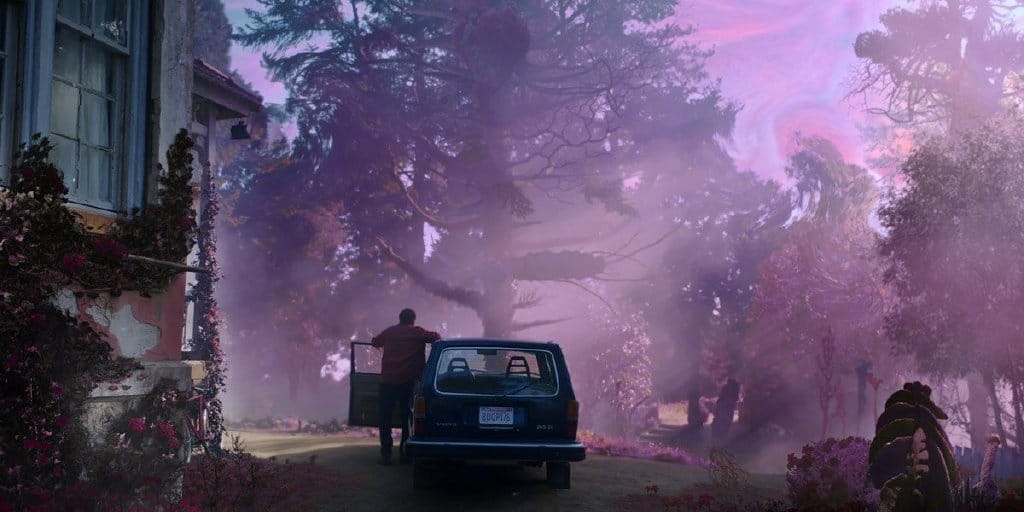
Lovecraft died long before his mythos gained the popularity it maintains today. Now, there are movies (go watch the unhinged Nic Cage movie Color Out Of Space), TV shows, TTRPGs, and video games.
The most popular TTRPG, the Call of Cthulhu, strikes a different path than the more traditional TTRPGs like D&D. The players aren’t god-like heroes. Saving the world isn’t really an option. Instead, the emphasis is on investigation, learning, and understanding just enough to delay catastrophe for one more day.
A lot of the video game adaptations keep that emphasis on detective work. They also, however, tend to skew a little too strongly toward adaptation, uncritically translating the stories instead of interrogating and updating them. Some of them have had cool mechanics, but I haven’t played one yet that doesn’t carry the lingering stink of Lovecraft the man.