


Cyberpunk 2025: Black Friday
Part 6: Minority Consumer Report

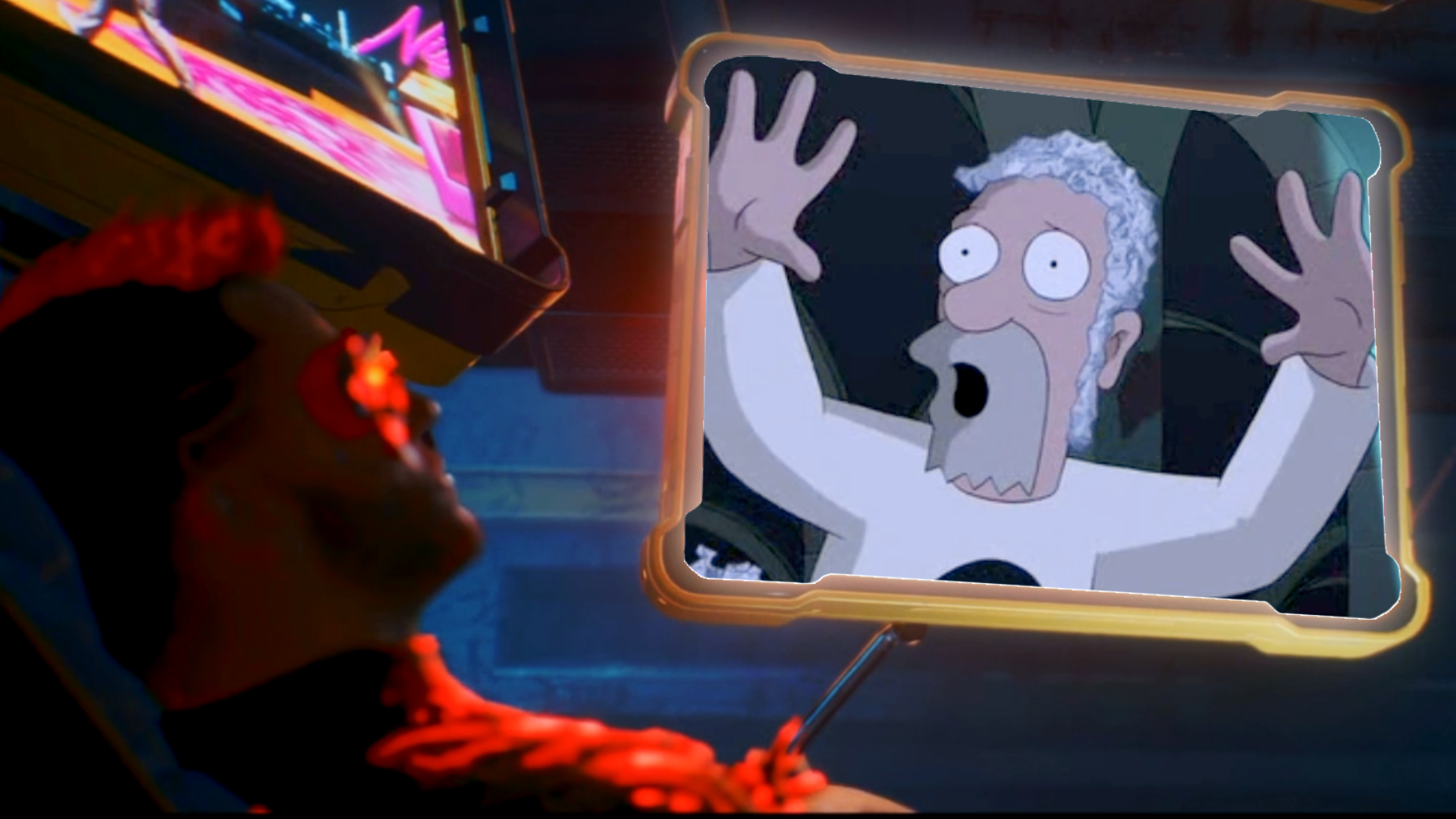
Dr. Alaina Burns treats people with schizophrenia. In the course of her work, one asked her, “Do I use the internet, or does the internet use me?”
And it’s a hard question to answer. It highlights a weird and dangerous truth here in 2025 — the line between paranoid delusion and reality is getting blurry.
“The DSM-5 no longer makes this distinction [between impossible and plausible-but-false delusions], in part because people do not reliably agree with each other when it comes to determining what is possible or impossible. And as our technology advances at an astonishing pace, what was unthinkable yesterday may in fact be plausible today.
Defining a delusion as a belief that is not amenable to change in light of conflicting evidence requires that we have a shared understanding of what is ‘truth’ and how it is determined. As the internet makes our collective truth harder and harder to define, I find myself increasingly lost in the shifting boundary between my patients’ reality and my own.”
Twenty-five years ago, if I told you that I thought my beloved Nokia 3210 was listening to my conversations, you’d suggest I seek help. If I had said I thought my television was spying on me, you’d tell me to put down Nineteen Eighty-Four and go touch grass.
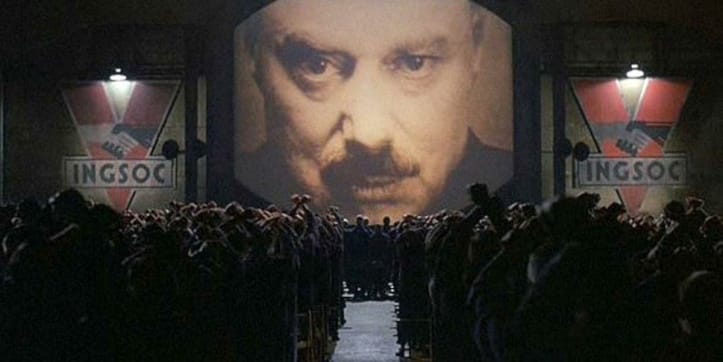
Tinfoil hat conspiracy theorists feel quaint and almost naively innocent today. Obviously, the government isn’t beaming thoughts into your head with radio waves. That’s silly. Social media companies, sellers of all sorts, data brokers, and Big Tech openly conspiring to shape your perception of reality and influence the choices you make? That’s just capitalism, baby.
And Dr. Burns wrote her piece in early 2024, a full year before AI psychosis hit the news. The AI psychosis that encourages suicide. And eating disorders. And delusional, secretive road trips to the desert to prove you are the smartest baby born in 1996.
(The) Minority Report
There’s nothing particularly cyberpunk about the Philip K. Dick novella, The Minority Report. It’s a paranoid exploration of free will and causality in a surveillance-heavy, militarized, carceral state. It’s a short and tight exploration of the ideas that still finds time to include some flippant misogyny and ableism.
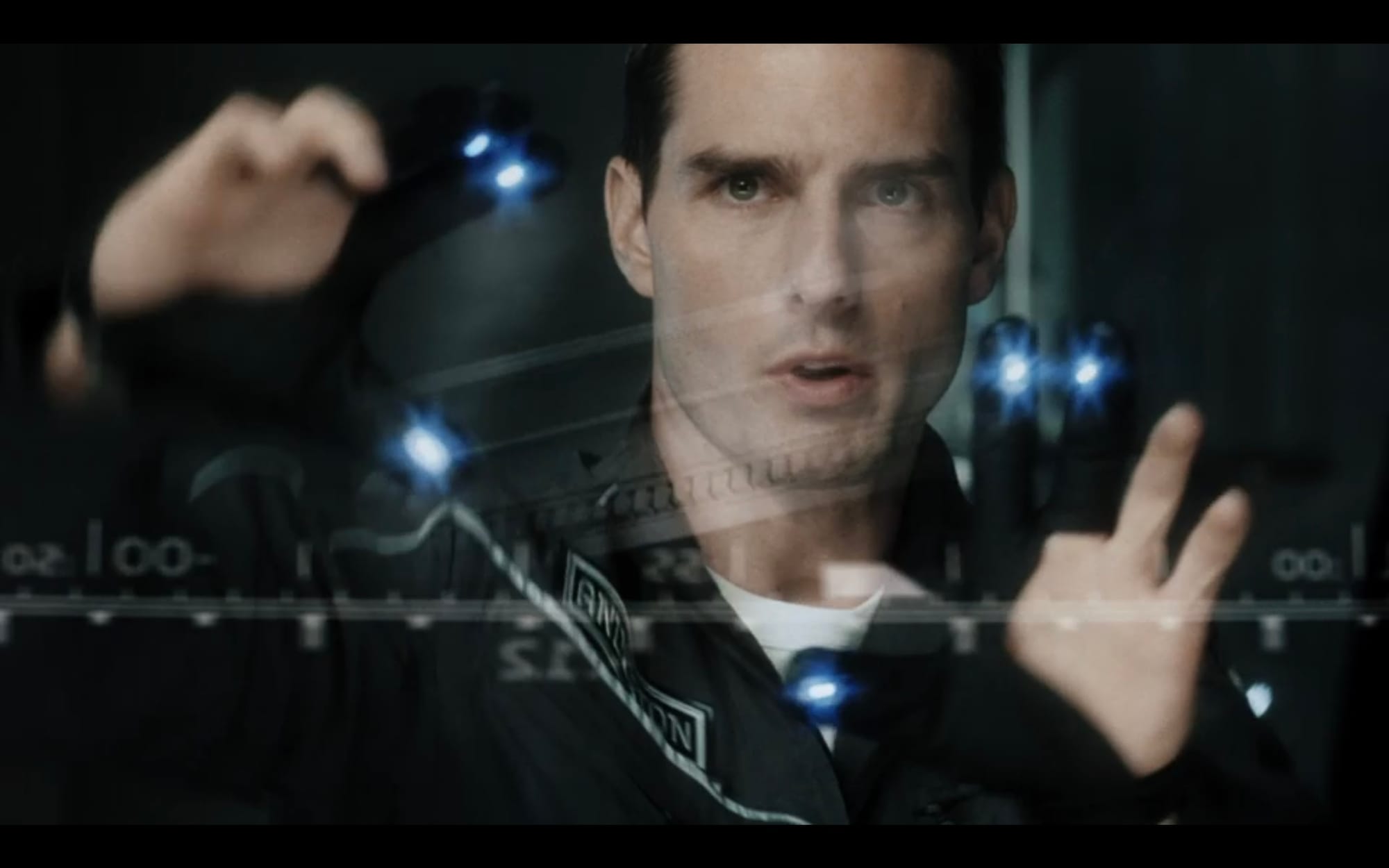
Even the Steven Spielberg movie based on the book isn’t overly cyberpunk, but it overlaps the edges of the genre enough that it’s worth including here. Also, it’s just a really good movie [Ed. note: it’s true].
The plot of both the book and movie revolve around the question of what free will means if you’re given information about the future. If I tell you you’re about to scratch your nose, and then you do, did you scratch your nose because you wanted to or because I knew you would? And what would it change if either or both of us were heavily invested in the Big Nose Scratching industry?
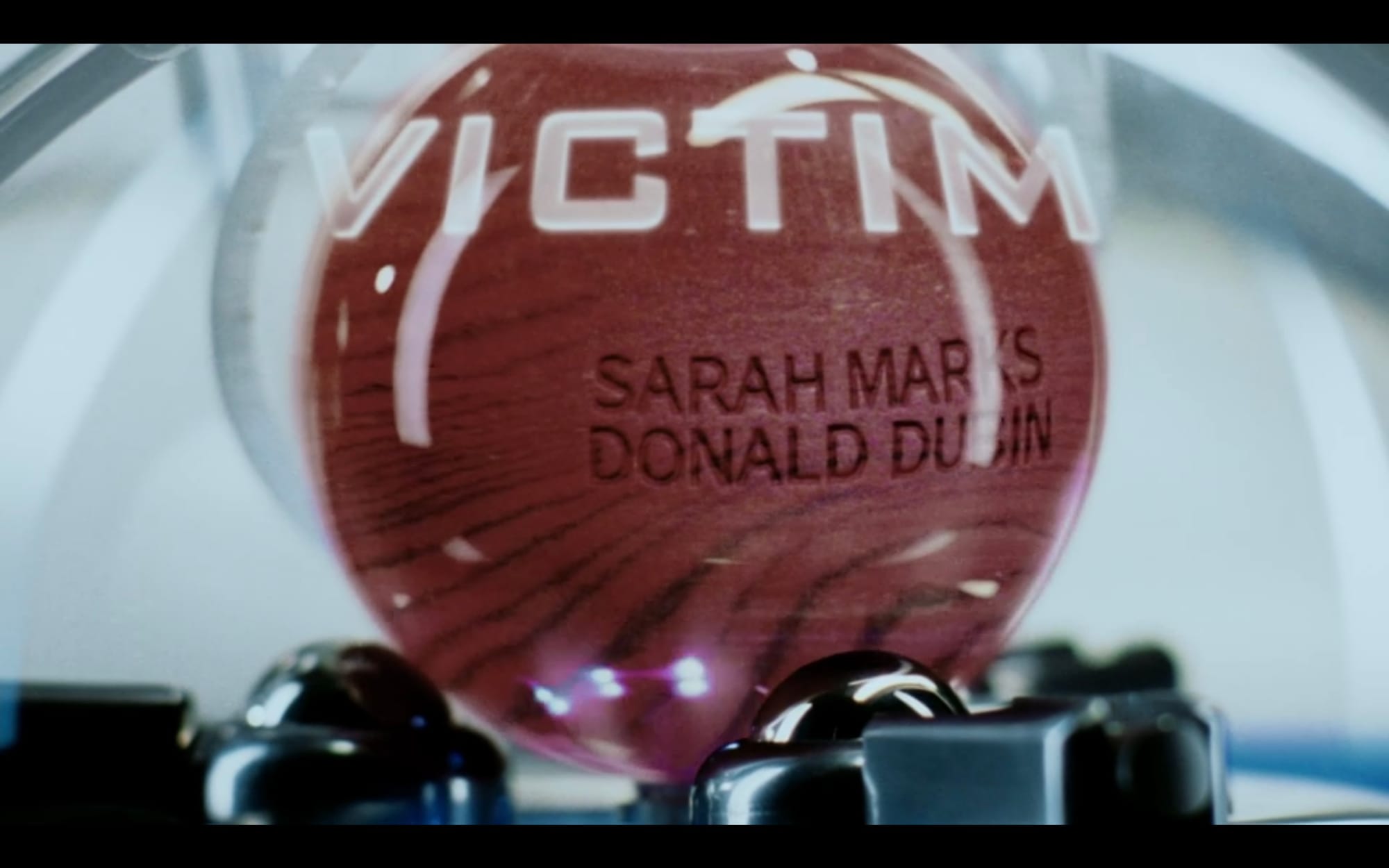
It’s not mind control in the tinfoil hat sense. But it is about controlling choice. Did you choose to scratch your nose or not? Or did I convince you one way or the other by suggesting I already knew the outcome through some convoluted psychological trickery?
Both Minority Reports use murder as their test of free will and causality in a surveillance state. But surveillance, (fore)knowledge, and perception shape our decisions on less dramatic actions every day, even when we aren’t aware of it.

In a study of riders on the Milan subway, researchers from the Università Cattolica del Sacro Cuore found that someone would give up their seat for a (pretend) pregnant woman standing nearby roughly 38% of the time. If a man dressed as Batman just so happened to also be on the train, that percentage jumped to 67%.
When questioned about why they gave up their seat, no one mentioned Batman.