


Embracer Group, the company behind the layoffs
One company, thousands of layoffs

Yesterday’s layoff news was that over 100 people were let go from Eidos Montreal. Instead of writing up another “hey this is bad and dumb” article, I have decided to look at the deeper problems behind the layoffs. And for this one, we’ve got to look at Embracer Group.
Nordic Games
Lars Wingefors is a Swedish serial entrepreneur. He started creating businesses in his early teens and was eventually successful enough that he dropped out of high school to manage Nordic Games, a mail order used game service. Wingefors sold Nordic Games to Gameplay.com in 2000, but it was sold back to him in May 2001 for 1 krona (about $0.10) following the dot-com bubble burst. Nordic Games went bankrupt in 2004. He reformed the company as Game Outlet Europe as a reseller of games for the European market.
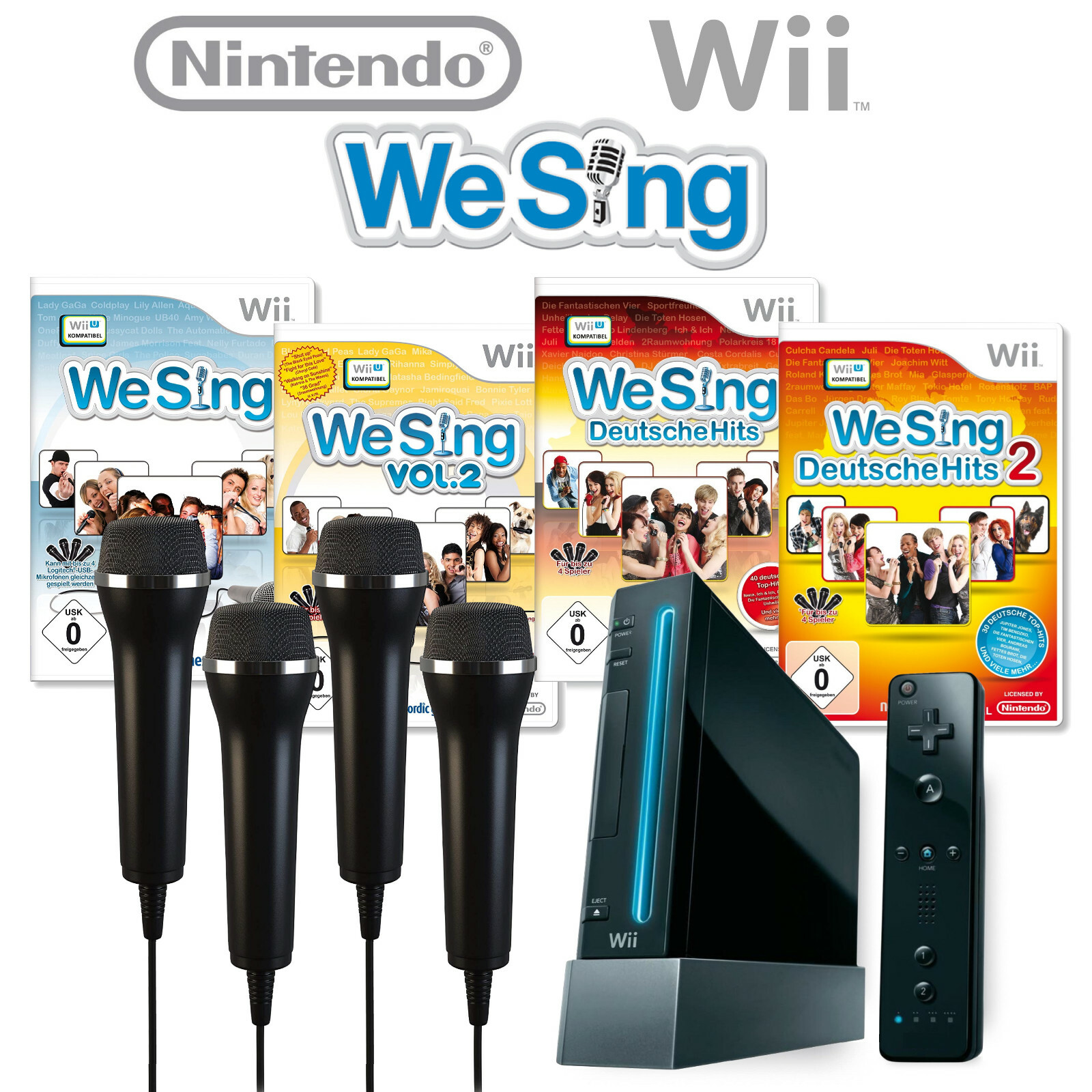
In 2008, at 31, he spun up Nordic Games Publishing as a subsidiary and found success with We Sing, a Wii karaoke game. In 2011, Nordic Games Holding was established as a holding company over both Game Outlet Europe and Nordic Games Publishing.
THQ Nordic
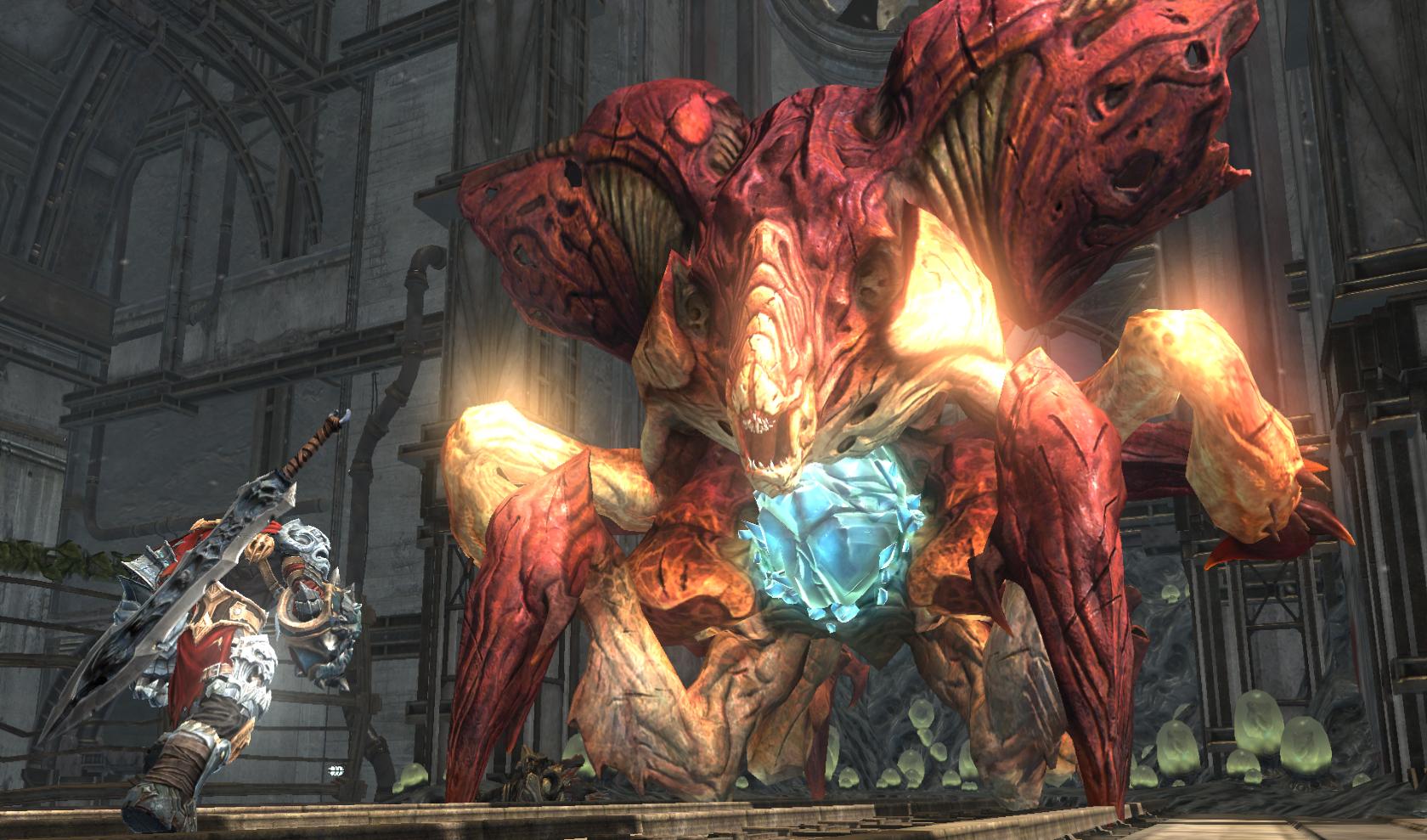
When THQ went bankrupt in 2013, Nordic Games bought most of their assets (and then the trademark the following year). They then rebranded to THQ Nordic to cash in on THQ’s name. In 2018, THQ Nordic bought Austria’s Koch Media (and publisher Deep Silver) and Sweden’s Coffee Stain Studios. By 2019, THQ Nordic was looking at almost $500 million in sales annually from IP like Darksiders and Goat Simulator.
In 2019, through some weird dealings that I don’t really understand, THQ Nordic bought its sibling company, Game Outlet Europe, from its parent company, Nordic Games Holding. And then it bought Goodbye Kansas Game Invest, rebranding it to Amplifier Game Invest. Also in 2019, the growing THQ Nordic rebranded to Embracer Group.
Embracer Group
So, let’s review.
At this point — 2019 — Embracer Group owns Koch Media/Deep Silver (publisher of the Dead Island, Saints Row, and Metro series as well as Kingdom Come: Deliverance), Coffee Stain Studios (devs of Goat Simulator and Satisfactory, and publishers of Deep Rock Galactic, Valheim, and Goat Simulator 3), and a fledgling Amplifier Game Invest.
Over the next two years, Embracer Group or its subsidiaries also bought: Tarsier Studios (Little Nightmares), Saber Interactive (just so many games), Deca Games, Palindrome Interactive, Rare Earth Games, Vermila Studios, 4A Games (Metro series devs), New World Interactive, Pow Wow Entertainment, Sola Media, 34BigThings, Mad Head Games, Nimble Giant Entertainment, Sandbox Strategies, Snapshot Games, Zen Studios, A Thinking Ape Entertainment, IUGO Mobile Entertainment, Flying Wild Hog, Purple Lamp Studios, Silent Games, and Quantic Lab.
Deep breath — we’re not done yet.
In 2021, they bought: Gearbox Entertainment (Borderlands), Easybrain, Aspyr, 3D Realms, Demiurge Studios, Fractured Byte, Slipgate Ironworks, SmartPhone Labs, Appeal Studios, Kaiko, Massive Miniteam, Frame Break, CrazyLabs, Ghost Ship Games (Deep Rock Galactic), Easy Trigger Games, DigixArt, and Grimfrost. And then they bought board game distributor Asmodee and Dark Horse Media. Yes, that Dark Horse. Hellboy Dark Horse.
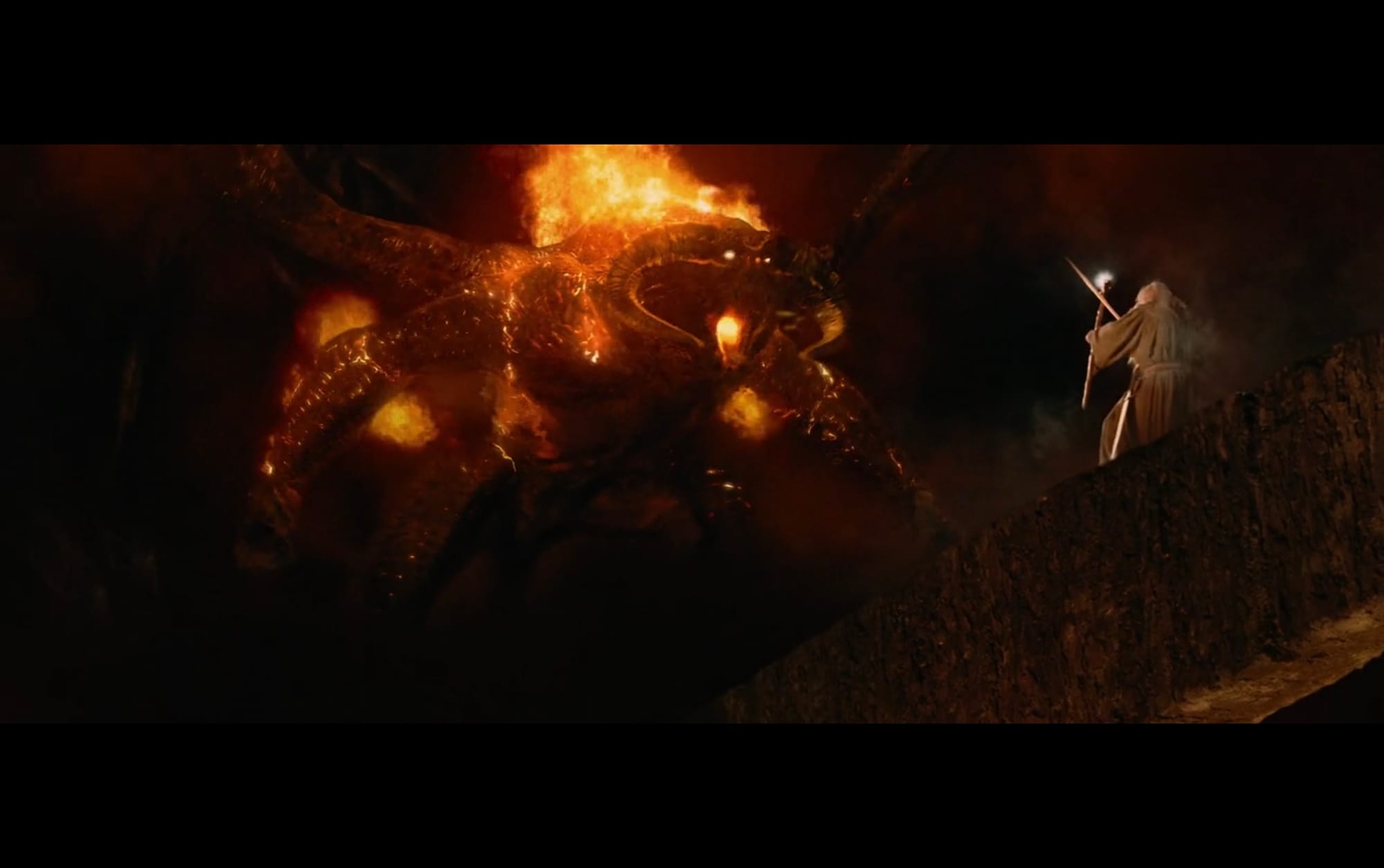
Did you think they were done? In 2022, they bought Crystal Dynamics, Eidos-Montreal, and Square Enix Montreal (Tomb Raider, Deus Ex, and Thief). They also somehow ended up owning Middle-earth Enterprises, so they hold most of the rights to The Hobbit and Lord of the Rings, too.
A $2b oopsie
In 2022, Embracer Group got $1 billion from Saudi Arabia’s Public Investment Fund through Savvy Games Group, the same company that funded that Assassin’s Creed Mirage DLC from last year. In 2023, Embracer was set to get $2 billion more from Savvy.
But then the deal fell through.
When the deal failed, Embracer Group shares’ value dropped by 40% and the company found itself $2 billion in debt. So, obviously, it was time for strategic restructuring (laying everyone off).
Within six months, almost 1,000 people were laid off and 15 projects were canceled. In March 2024, Saber Interactive was sold and Take-Two Interactive bought Gearbox.
By May of 2024, over 4,500 more people had been fired, 44 studios had closed, and 80 projects had been canceled. Embracer had managed to reduce its debt from $2 billion all the way to $1.5 billion. By November of 2024, their employee count had gone from almost 16,000 to 10,500. By January of 2025, they were down to just under 8,000.
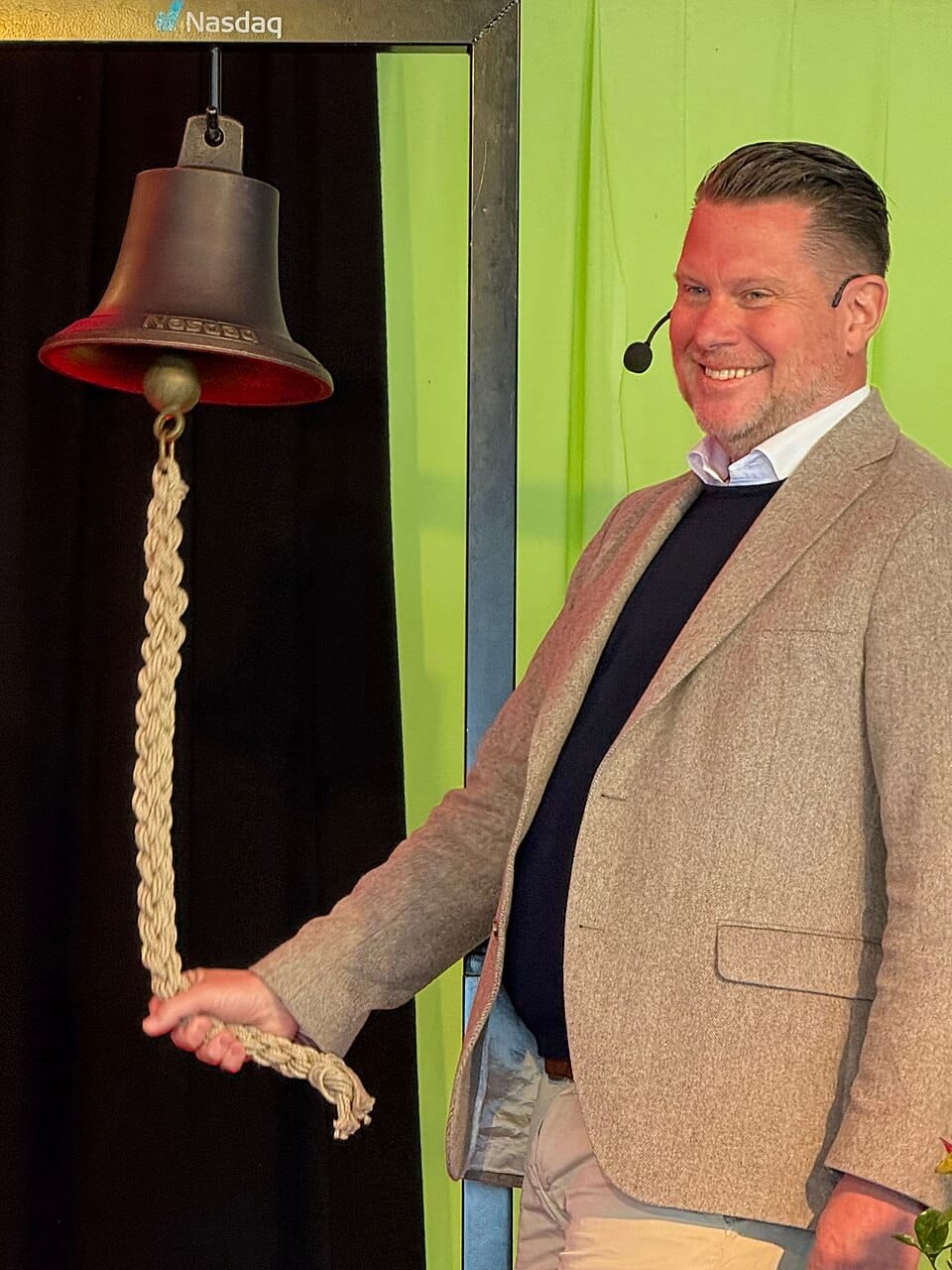

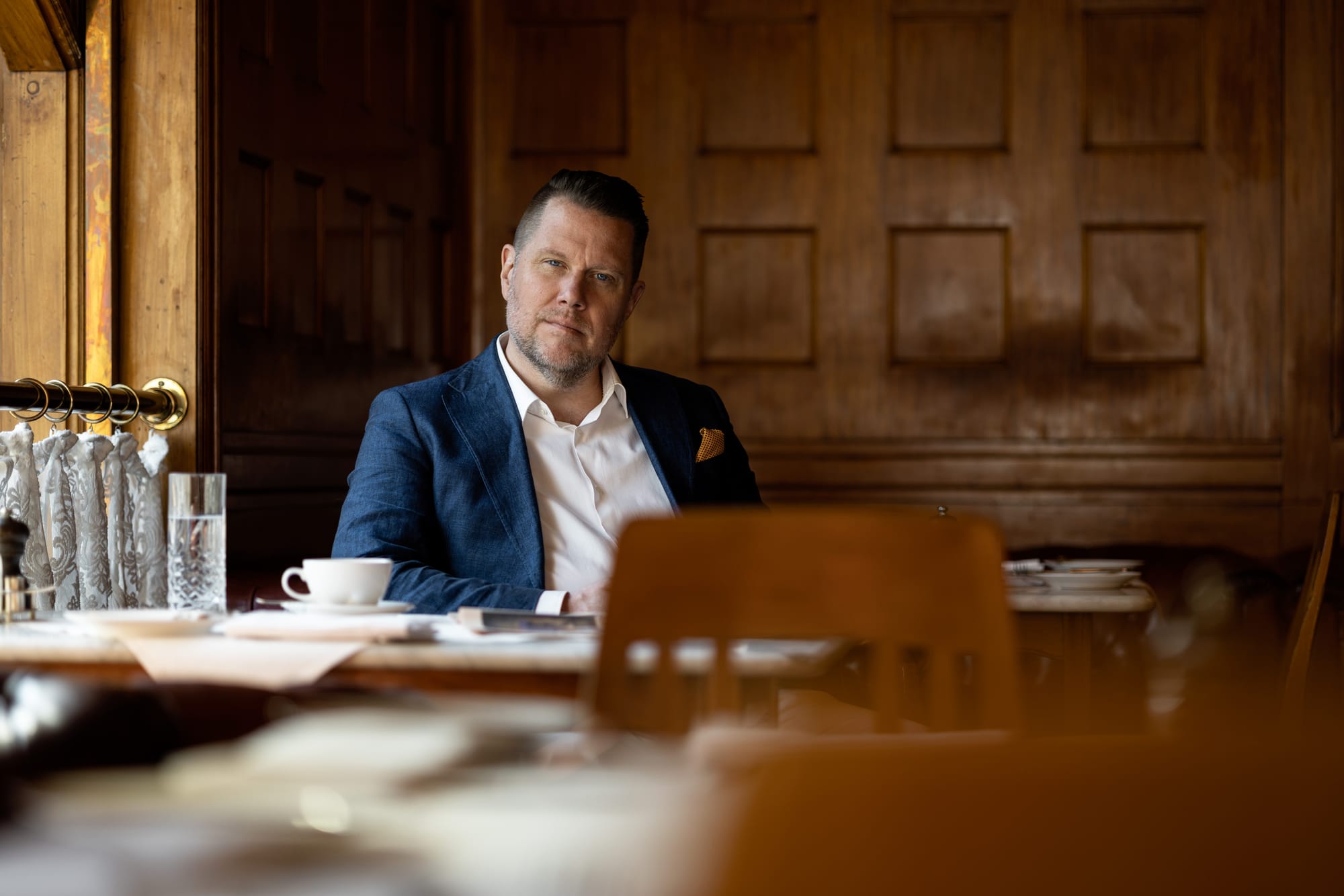
Apropos of nothing, here’s a picture of Lars ringing the Swedish Nasdaq bell in June of 2025.
In May 2025, it was announced that Coffee Stain Group would spin off. It became a fully independent company by December. In August of 2025, Lars Wingefors stepped down as CEO and was replaced by Phil Rogers. Wingefors, however, remains a board member and chairman, still owns a significant portion of Embracer shares, and is most likely still a billionaire.
Today
So, yeah.
That brings us to now and the announcement that 124 (more) people were fired from Eidos Montreal — including the studio head, David Anfossi, who has been there for almost 20 years. These layoffs bring the total to about 300 people fired by Embracer from Eidos Montreal since the beginning of 2024. You might also recall that, just last week, 20 people were fired from Crystal Dynamics, another company Embracer bought at the same time as Eidos Montreal.
Now, I’m no money expert (and I’m pretty sure it’s all made up anyway), but even I know that buying literally everything you can over the course of a few years isn’t really a recipe for success. Obviously, not every project those people and studios were working on would’ve been successful. Hell, let’s be honest here: I have no idea what 90% of the studios Embracer bought up even did. But I do know that success looks different for a 100- or even 500-person studio than it does for a bloated multinational.
The failings that led to these firings at Eidos were never their own. Or rather, they never got the chance to fail on their own terms — it sounds like they’d been struggling with a massively over-budget quagmire of a game. Instead, the questionable decisions of a CEO playing with imaginary and hypothetical future investment money led to the studio getting punished. Really, it led to almost 100 studios and thousands of people getting punished.
Those thousands of people who lost their jobs were working on dozens of games. Games we’ll likely never see now. The cost of reckless corporate greed is not just human (though that's a big part of it), it also costs all of us the art that won’t be created and the games we'll never play just because someone, somewhere, was too obsessed with "line goes up forever" economics.