I looked at 230 games released in one week, here’s how to stand out
I looked at the Steam page for every new release from January 1 to 7


On Steam, 230 games came out the first week of 2026. It will probably be the slowest week for releases all year. In 2025, over 20,000 games were released on Steam, which averages out to about 384 games a week. This year will likely have even more releases.
As someone who covers games professionally, those are incredibly stressful statistics. For context, I played about 80 games last year, which accounts for .004% of the games released. So I looked at every Steam page for a new release from January 1 to the 7 — all 230 games — to see what kinds of games those abstract numbers really represent. I made a video about my investigation, which you can watch below.
Since publishing this video, I’ve received a huge response from game developers, ranging from “this was demoralizing” to “this was a huge relief” to “please look at my game.” All of them wanted to know the secret to getting their game noticed — how to avoid being, at best, a “hidden gem” and at worst, wholly unnoticed. I can’t speak to a broad audience, but after looking at 230+ Steam pages, I can tell you what made a game stand out for me.
High quality art was less important than you might expect. Plenty of games had flashy 3D graphics, with loads of particles and visual effects. Many of them were impossible to parse because the player character was too small, the background and foreground elements merged together, or there was too much visual information and no way to separate what was important.
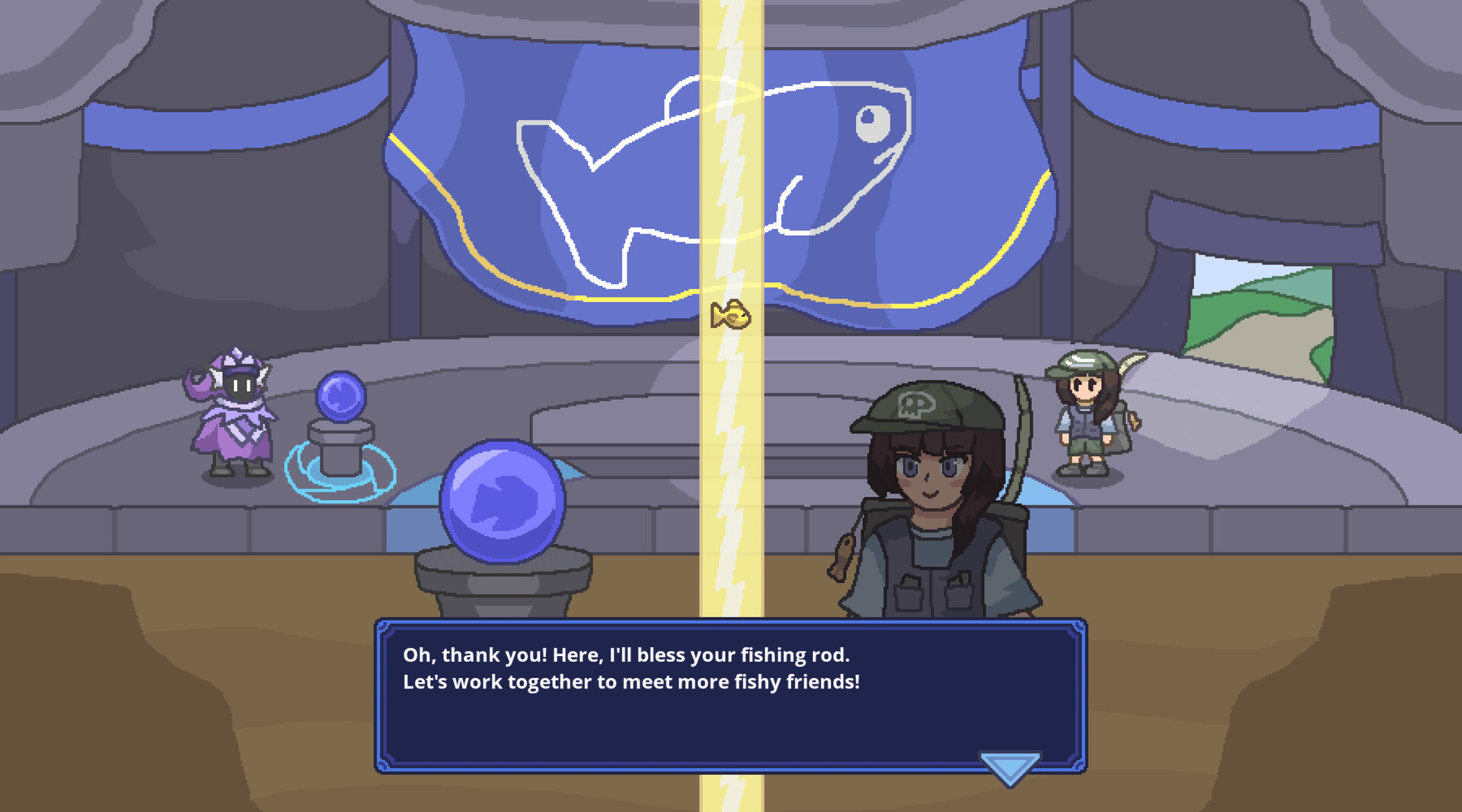
On the other hand, The Power of Fish had simple art and clear visuals. The homespun MS Paint style communicated the characters, gameplay, and overall vibe of the game well. Perhaps more importantly, its art style was consistent; the UI matched the characters and backgrounds. The same is true for Pichenette, one of the games that won me over immediately.
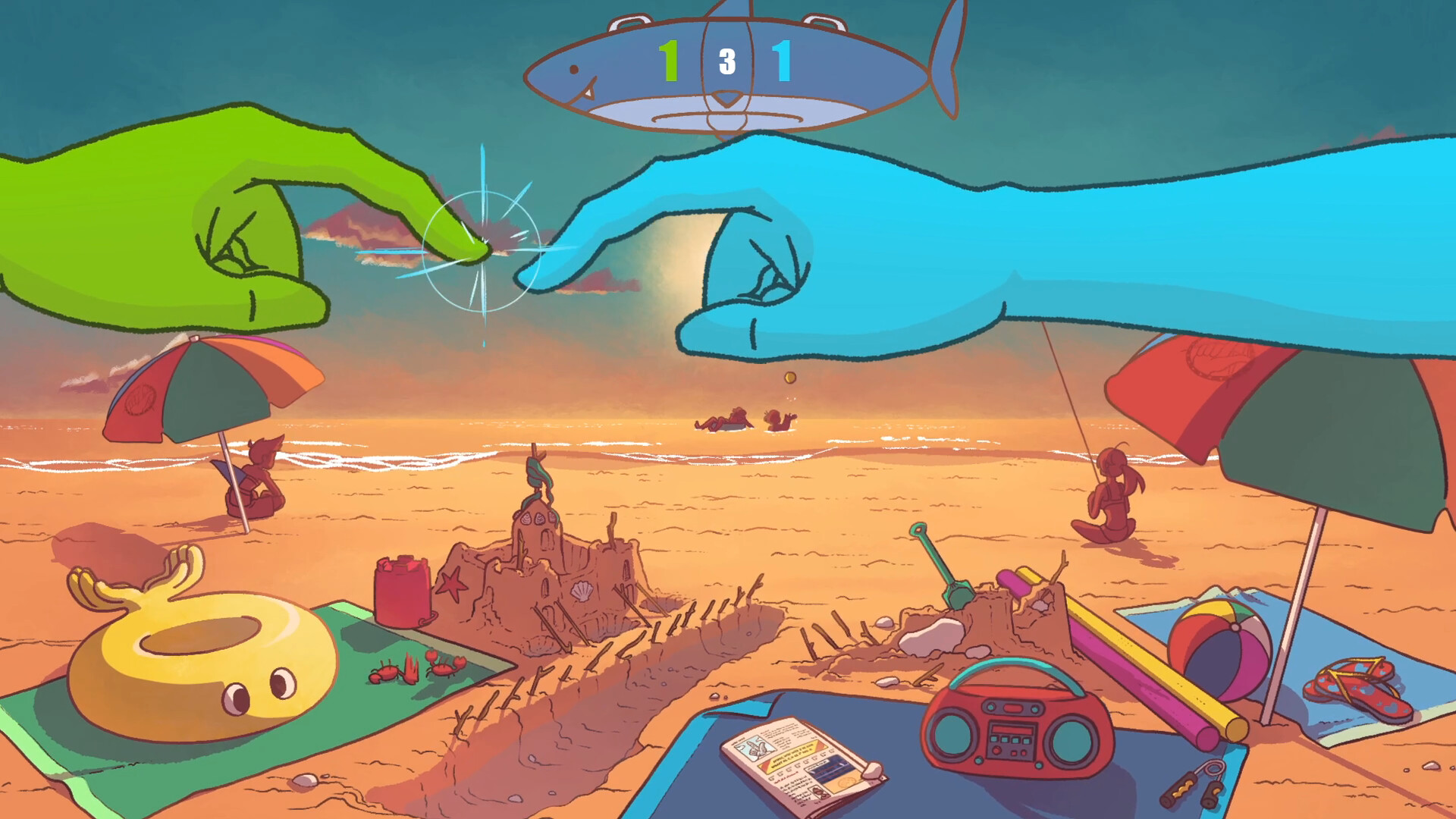
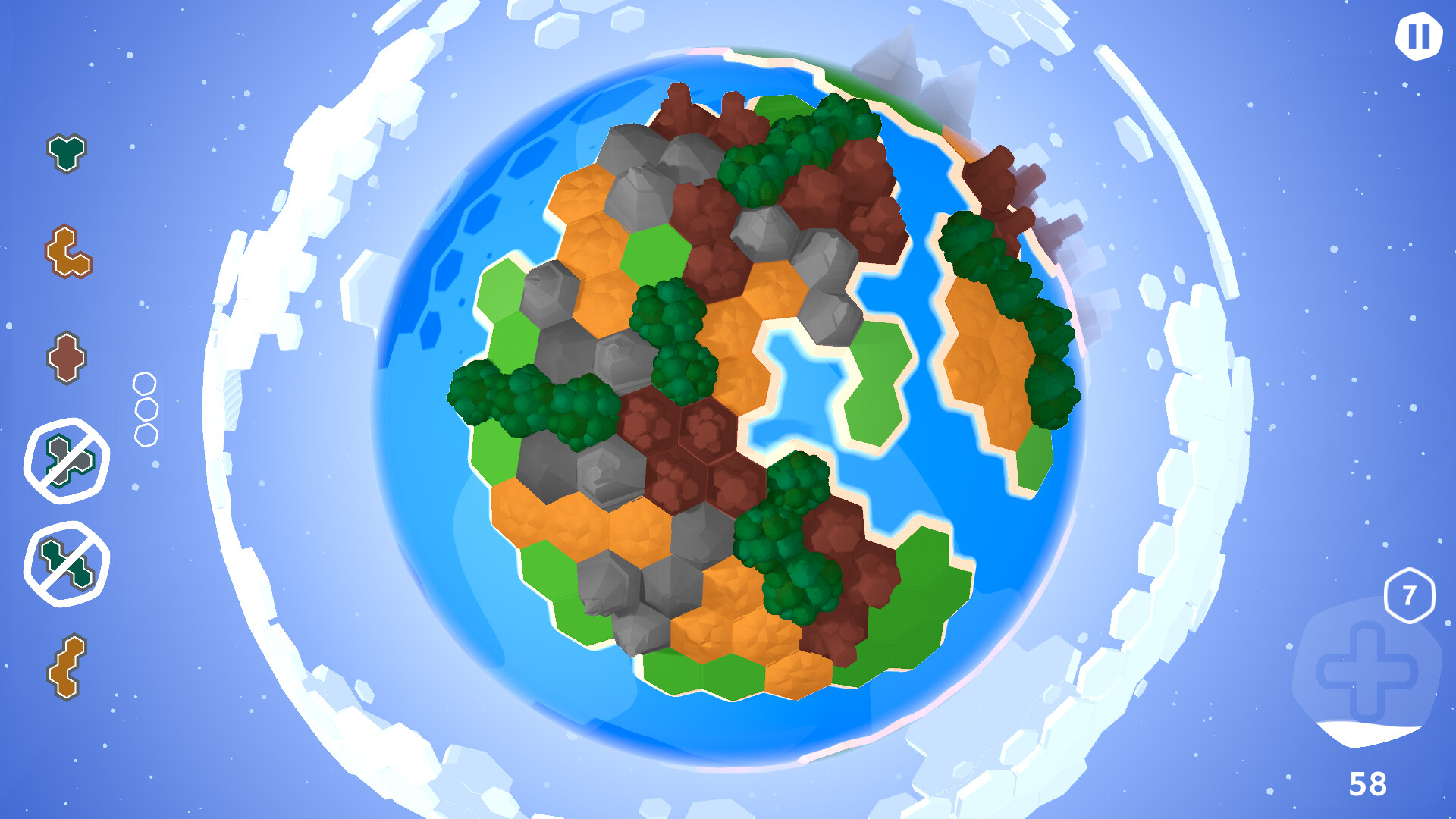
Both of these games have personality. Store-bought assets might look sleeker, but they can erode at a game’s cohesion or identity — and that makes it harder to tell if I’m going to like the game or not. The games that stuck out the most had a strong sense of self. The Steam page for Cosmotiles listed what the game offered… and what it didn’t. The X-rated visual novel Bliss Valley: After Dark describes itself as a “furry gooner game,” which isn’t my thing, but I respect the hand-drawn art and clarity of concept.
Attention to detail was also important in making certain games pop — particularly in the UI. Menu style and functionality should not be an afterthought; arguably, it should be a primary consideration, because it’s where some of the worst gameplay friction can happen. If you’re serious about getting your game looked at, pay more attention to your UI design. If you can, hiring a professional UI designer is an excellent use of money.
More than anything, you don’t want your game to be an Easy No. I watched every trailer for all 230 games, and I was surprised at how many had extremely harsh audio, or none at all. Many had noticeably choppy gameplay footage and low frame rates. In one trailer, the creator skipped through their own dialogue to get to gameplay, as though even they didn’t want to read it! Small aspects like that make the game an Easy No. If the creator won’t put effort into their Steam page or trailer, I have no reason to expect they will on the game itself.
In that vein, AI makes a game an immediate Easy No. AI is fundamentally a shortcut, and a pretty sloppy one at that. You can’t tell from a Steam page if a game is going to boot properly or softlock halfway through, and using AI significantly raises my doubts about a game’s viability. How can I know how much the devs reviewed the code for errors? How distracting or lifeless will the AI art or audio be? So when I see a game with AI, it makes the choice of whether to buy it very simple; it’s always an Easy No.
For devs serious about getting their games looked at, the best thing to do is look at other game’s Steam pages and feel out what works and what doesn’t. You’re a player too; what sales pitch or design choices would work on you?
You don’t have to look at 230 of them in a week, but it’s not a bad place to start.