


Hate Campaigns for Games will Kill Innovation
The more we blow up games before they even come out, the less interesting those games are going to become over time

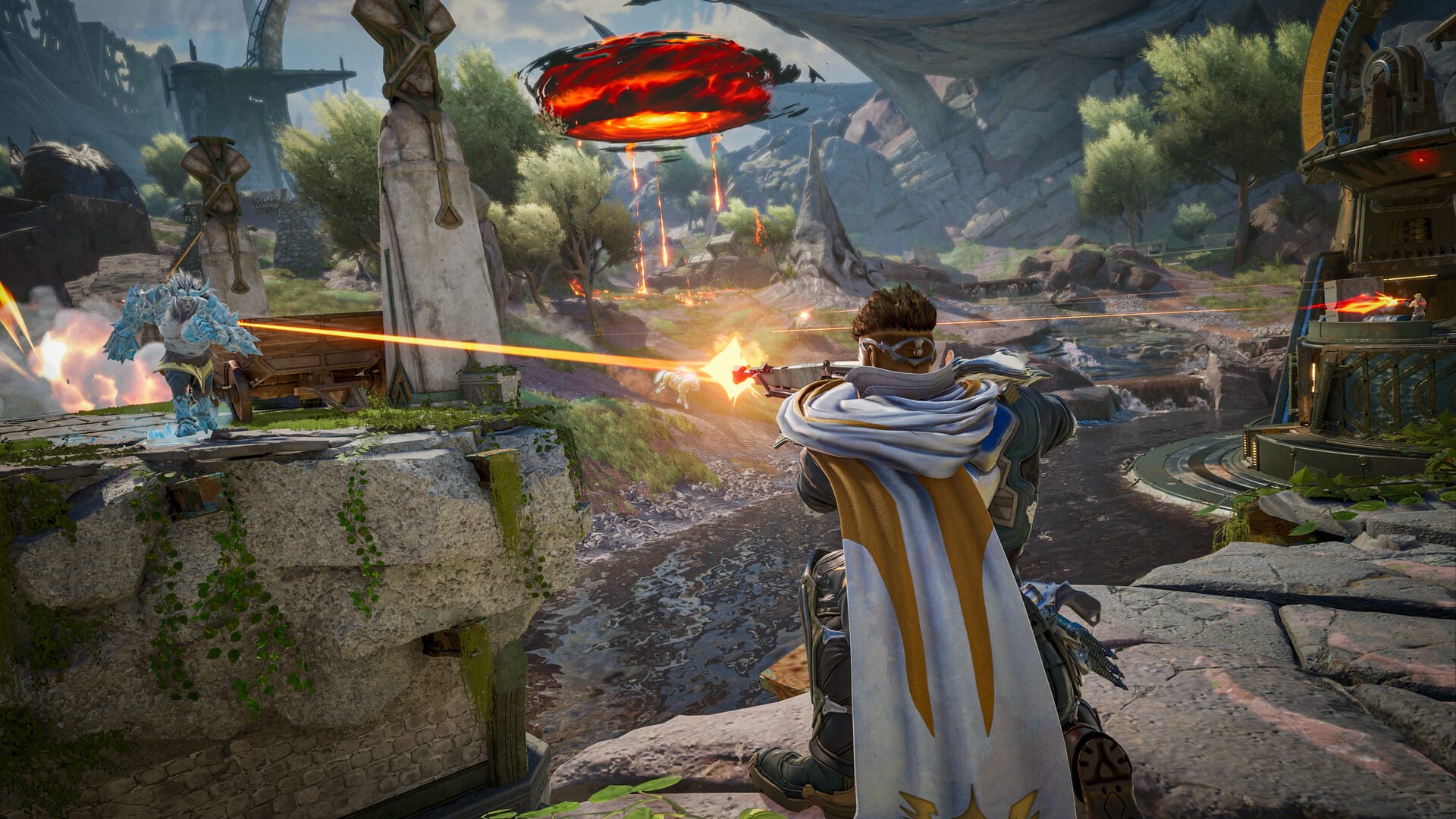
There's a worrying trend on social media where gamers are grouping together in an attempt to make games fail. They see themselves as activists, trying to bring about the changes they want to see in the industry. But what's the real effect? Imagine being a developer who was working on Highguard.
For four years you work in a studio alongside veterans, people who’d built incredible games like Titanfall and Apex Legends. The game you’re making is something new, a raid shooter. Instead of creating another battle royale, or extraction game, or arena shooter, the team have decided to try and innovate. You have (admittedly strangely secretive) funding from media giant Tencent, so your job feels secure and there’s no need to raise money from early access or a controlling publisher. It’s working out well, the feedback from playtests is good, and while the original plan was to shadowdrop and let the game speak for itself, Geoff Keighley has visited the studio and was so impressed with what he played, he’s giving you the most prestigious slot at The Game Awards for free.
Everybody scrambles to put together a trailer. It’s not easy to showcase exactly what the game is in two minutes, but the marketing team do their best to include the art style, the different phases of the game, and the hero abilities. Keighley is given a little introduction to read that emphasises that this is a new type of FPS, something that no-one has seen before. You believe it’s exactly what the broader FPS community has been waiting for. A new IP, a new game mode, created by a studio outside of the big publishers, free to play with every hero included at no cost. The only microtransactions are for cosmetics. All signs point towards you having a hit on your hands.
Then the trailer drops and the online reaction is instantly fatal.
Your game, your passion for the last four years of your life, is immediately compared to Concord, the ill-fated Sony live-service shooter that was pulled offline and cancelled within two weeks despite an expensive marketing campaign. YouTubers jump to conclusions about how the game works and then make video essays on how terrible it will be, despite only seeing two minutes of footage. Reddit threads are posted criticizing everything imaginable. The Steam discussion boards are filled with posts about how the game is doomed to fail.
Leadership decides the best course of action is to revert to the original plan, let the game do the talking and drop it without any further trailers or marketing beyond a preview event for creators and press that was embargoed until launch. The online communities that have built up around discussing how badly Highguard will fail take the silence as a sign of weakness, that there’s nothing good to say about the game. Videos predicting the failure get hundreds of thousands of views while anyone trying to be optimistic on social media is barraged by comments dismissing them as a paid shill.
By release day the damage is already done, the reputation of the game is in tatters. Despite some players having a great time once they actually got to play — and others understandably trying the game, deciding it isn’t for them and moving on — thousands more load up the free game, play it for ten minutes, then leave a negative review on Steam before they even complete the lengthy and unskippable tutorial. The review score on the store page drops to ‘Overwhelmingly Negative’ in less time than it takes to complete a full match.