


How Chilla's Art finds success in small releases
The cult-favorite studio that uses crowdfunding in a unique way

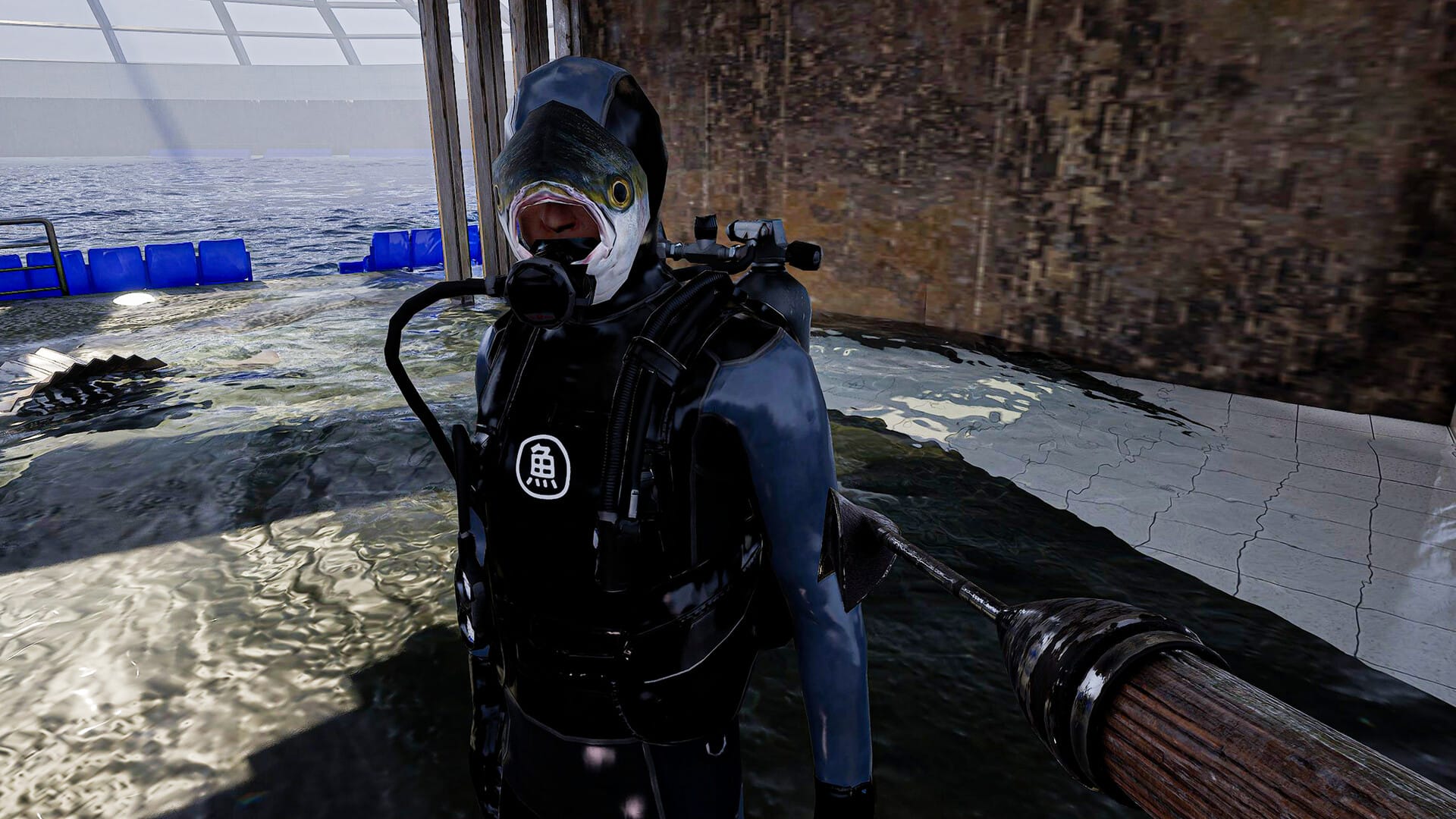
For the first 20 minutes, UMIGARI appears to be a relaxing game where you sail around the Japanese coast using your harpoon to catch fish. Alas, any notion that this is just another cozy simulator is quickly shattered when the fish start making human moans and my harpoon drags in a fish with a worryingly human face onto the deck of my boat. I should have seen this coming, though, as UMIGARI is the latest game by Chilla's Art, the cult-favorite indie horror studio whose unique approach to funding may revolutionize the way small indie studios operate.
Making their debut with 2018's Evie, Chilla's Art is a two-person sibling development team from Japan. While the pair's early games mostly flew under the radar, things took a sudden turn with the release of The Convenience Store in 2020. This game, which casts players as a young woman working a late-night shift at a convenience store, quickly generated a cult following and became a staple title for horror gaming YouTubers and Twitch streamers. Since then, Chilla's Art has released a shocking 19 other horror games. Not only have most of these games been highly praised by gamers, but many have also become massive hits on YouTube and Twitch. Chilla's Art is one of the most well-known independent horror studios currently operating.
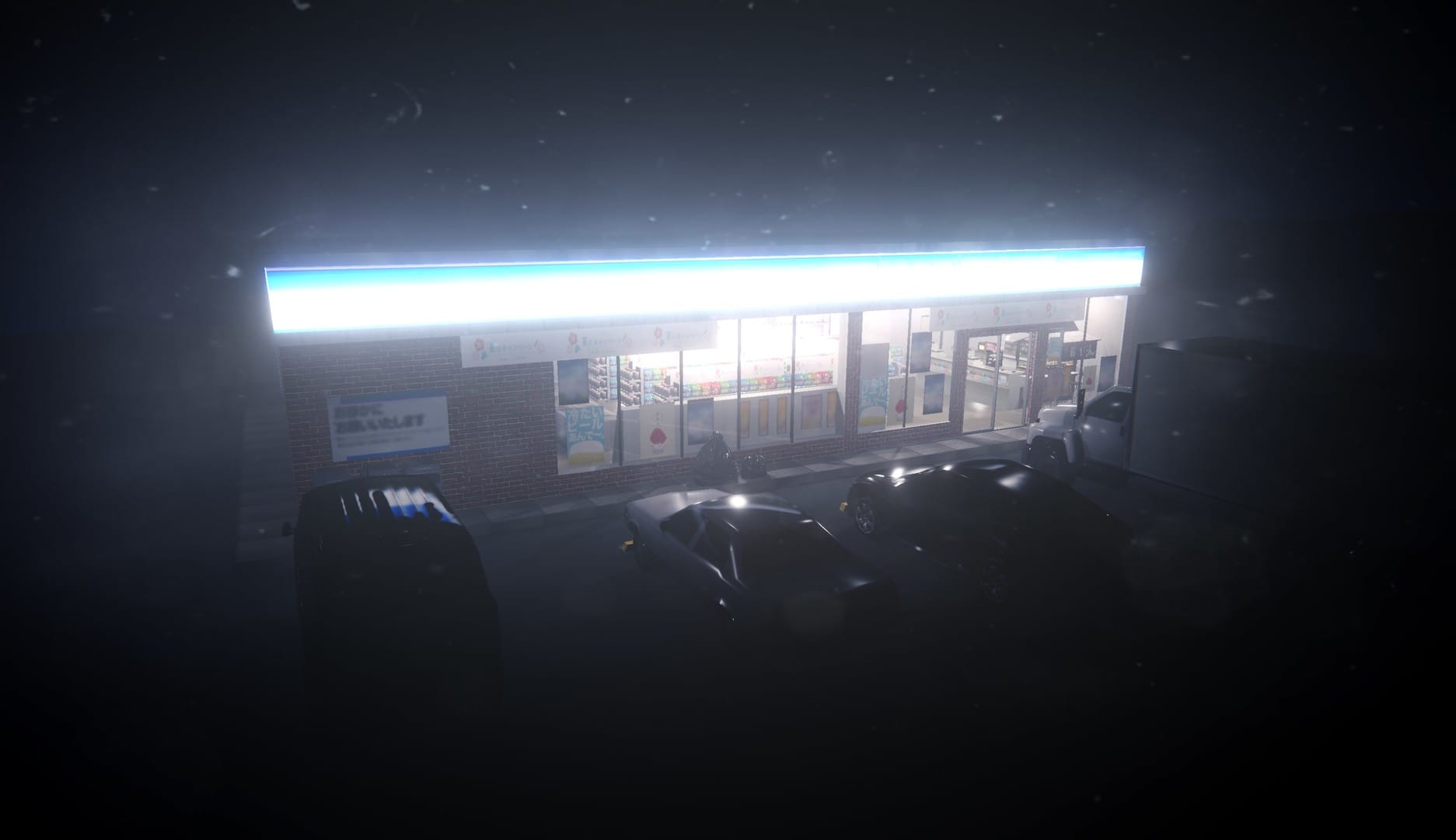
It is easy to see why Chilla's Art has developed such a devoted following, as their games have a distinct look and voice that make them instantly recognizable, even if you boot up the game without checking who developed it. A gigantic part of this recognizability is the studio's signature visual aesthetic. While many other studios and designers have experimented with retro, PS1-inspired graphics, Chilla's Art takes this concept a step further by going deliberately lo-fi and playing into graphical jank to enhance the atmosphere of their games, from using low draw distances to make the player feel isolated and alone, to leaning into the inherent uncanny valley nature of low polygon face models to make players feel uncertain and paranoid.
Key to this is the studio's unmistakably Japanese environments. Chilla's Art does a fantastic job of capturing the look of modern Japan, from remote rural mountain towns surrounded by seemingly never-ending nature (like the ones seen in The Radio Station) to the cramped back alleys and apartment complexes of modern cities like Tokyo and Osaka (as seen in Night Delivery). However, what makes Chilla's Art's depiction of Japan so engrossing is that these environments are not just visual recreations; the studio always manages to imbue its environments with an authentic, lived-in feel, giving all of its games a tangible sensation of time and place.
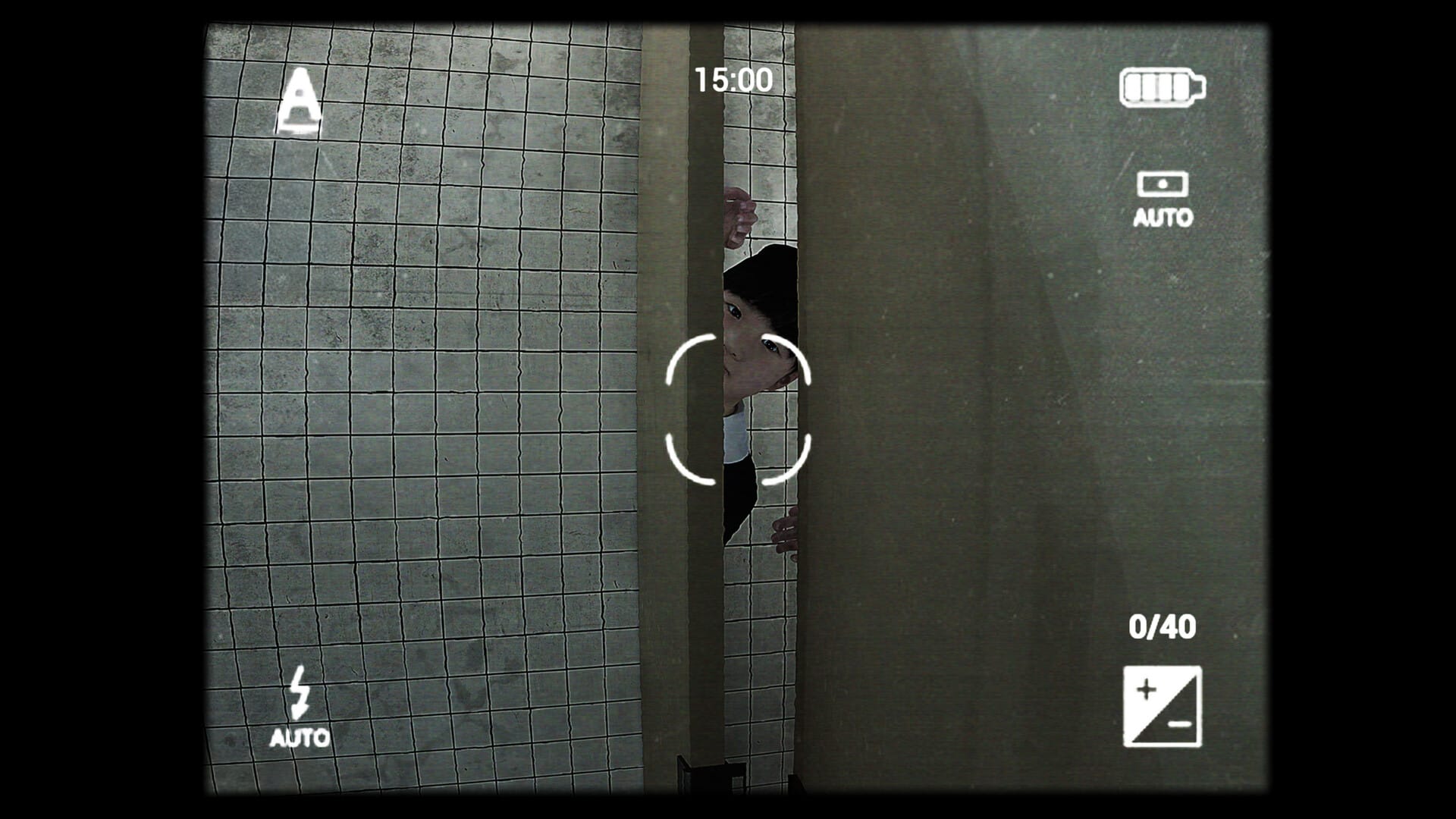
For example, while the park in Cursed Digicam is mostly empty during gameplay, it is impossible not to imagine the hundreds of children who use it every day as you walk around hunting for spirits. Similarly, while the playable space in The Convenience Store is small, the titular store feels like a living, breathing location you could stumble upon while exploring any Japanese city block. Even when the studio experiments with surreal environments, such as the cursed sea in UMIGARI, this sense of place and time remains, with the sea's decaying shacks, crumbling malls, and towering torii gates making the world seem like a regular city that has somehow fallen into the sea.
Alongside these visuals, the studio has several signature themes and motifs. Their most common theme is the horror of modern urban life. Often, Chilla's Art puts players in the shoes of regular, working-class people who accidentally find themselves in terrifying situations. For example, 2023's Parasocial casts players as a Twitch streamer who is being stalked by an obsessed fan, while 2022's The Closing Shift has players take control of a minimum wage worker during a night shift at a convenience store who finds a sinister presence lurking in the shadows.
Not only does this groundedness make the scares hit harder by making the player feel truly out of their depth, but it also beautifully complements Chilla's Art's lived-in world design. So, despite the supernatural elements, each haunting feels deeply personal and emotional. Chilla's Art's stories often feel closer to supernatural tragedies than traditional horror.

Another fascinating element of Chilla's Art is their business model. Alongside money made from the sales of each game, Chilla's Art funds their game development via Patreon. The firm offers nine different tiers of support. While lower tiers give donors the expected bonuses like developer logs, early access to development builds, and a name in the credits, higher tiers give supporters grander perks, including the chance to be included in the game in various forms.
While Chilla's Art isn't the first studio to fund development via crowdfunding, their decision to use recurring donations to fund the release of smaller games on a regular schedule, rather than doing one big crowdfunding push for a larger title with a multiyear development cycle, is a unique model that suggests a potential future route for indie game development.
Unlike traditional one-and-done crowdfunding, this model of small, regular releases addresses a common issue that many indie studios and solo developers encounter: being unable to deliver on their promises. Crowdfunding history is full of projects that, despite blowing past their funding goals, never made it onto storefronts, as the team either misjudged the development cost or realized that they lacked the necessary skills, expertise, or resources to create the game they originally pitched.

Releasing regular small games allows developers like Chilla’s Art to experiment with different ideas and gameplay loops. Not only does this give developers a chance to learn new things and improve their skills, but it also gives them a chance to refine their voice and hone in on the ideas and concepts they are passionate about without the worry that a buggy release or a single poorly reviewed game will bankrupt the company overnight. Since 2020, Chilla’s Art has released 21 different games, often releasing four games within a calendar year. Keeping these games small and focused has allowed them to experiment with different ideas (like building The Radio Station around driving instead of walking or dabbling with the anomaly spotting genre in Shinkansen 0), while building a reputation and brand identity in a way that would be impossible if one misstep would spell the end of the company.
UMIGARI is a fantastic example of this. Not only is the game bigger and more advanced than many of Chilla's Art's previous titles, but it is also a radical departure from the studio's previous games due to its unique gameplay loop and use of surrealism, rather than simple, outright horror. However, despite these changes, the game still retains Chilla's Art's unmistakable signature voice, and the studio's passion for the idea radiates off the screen.
In many ways, UMIGARI and Chilla's Art is a modern-day Cinderella story, just one with fish transforming into mutant fish rather than pumpkins turning into carriages. Chilla's Art's success shows that even in the modern, hyper-capitalistic world of game development, there is a way for smaller creators to find success in a way that allows them to retain their unique voice and make games that matter to them, rather than having to contort their ideas to fit an increasingly narrow definition of what's marketable.