


How Dying Light: The Beast acknowledged trauma
Kyle Crane showed us it was okay for a horror protagonist to seek help
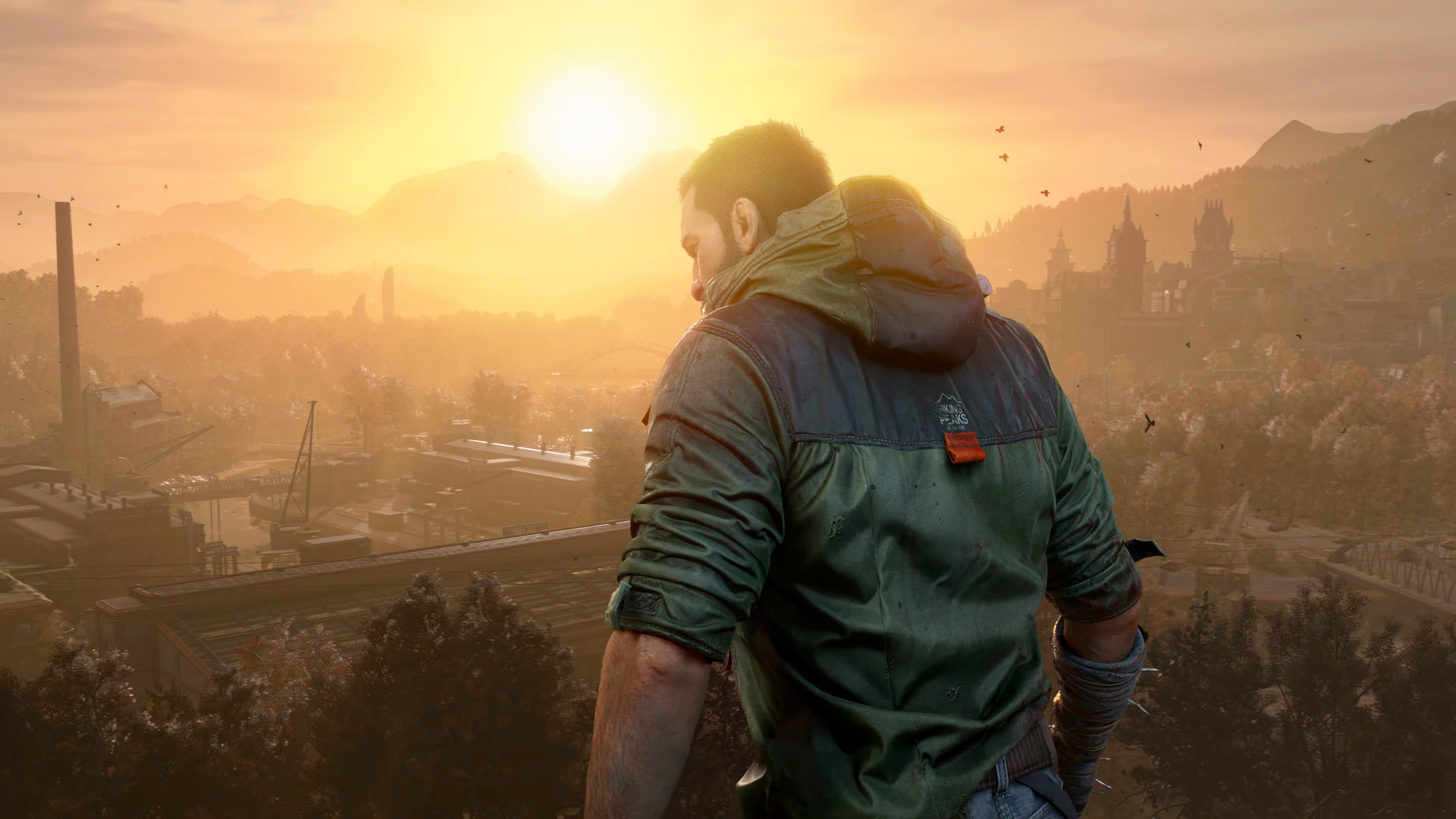
Even before the release of Dying Light the Beast, the protagonist of the franchise, Kyle Crane, was no stranger to loss and the trauma that came with that. In the first Dying Light, Crane not only deals with the tumultuous emotions tied to the spreading of the zombie virus and the situation in which he has unknowingly walked into, but also the deaths of those close to him.
Still, while Crane faced various tragedies, rarely if ever did we see him ruminate on them in meaningful ways, let alone deal with them. When Rahim Aldemir, a supporting, non-playable character, is killed by Crane himself, Crane has a reaction, but not so much a coping mechanism for his losses. Crane also later kills Jade Aldemir, Rahim’s sister after she too becomes a zombie.
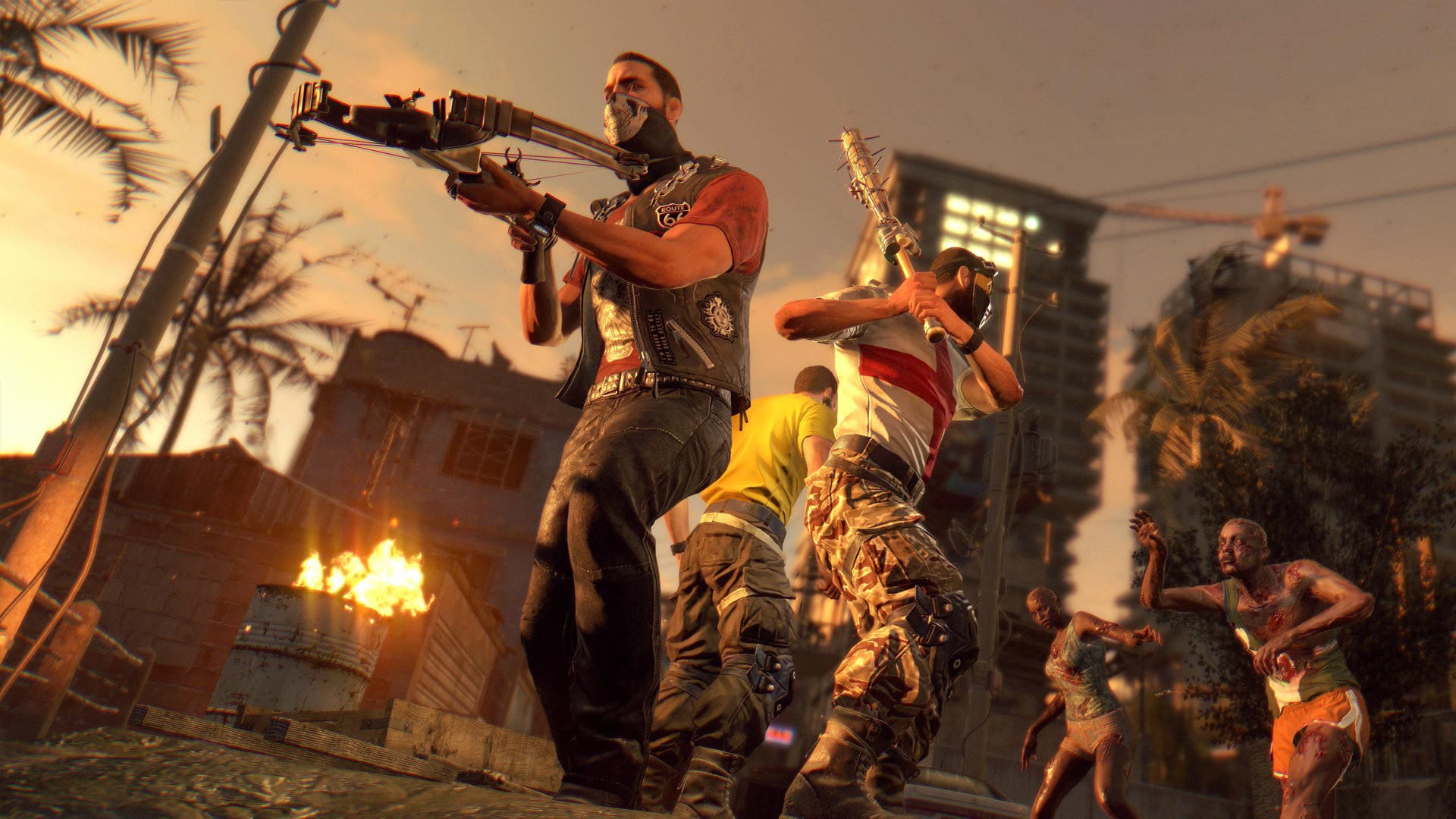
After both extremely harrowing events, Crane just goes on about his mission, well into the Dying Light’s DLC. While he is very clearly impacted by the deaths of those around him, and the trauma that festers with being stuck in this particular apocalypse, he does not have a chance to properly reflect.
This is not at all unique to Kyle Crane, as many protagonists in the horror-survival genre — especially when combat is involved — do not often ruminate on their trauma in a productive and healing way. For my years of enjoying horror-survival games, loss is common, as is PTSD, but rarely, if ever, is healing. It is not the norm for protagonists in action survival horror games to seek help, treatment, or look for any type of healthy coping mechanism for the vast amount of damage they have faced.
That is why, when Dying Light: The Beast was released, I was thoroughly shocked at one of the side quests pertaining to Crane’s trauma and mental health. The Beast introduces us to a Crane traumatized by both the events of the first game, and the current installment of the franchise. In The Beast, the narrative follows Crane as he escapes over a decade of torture by the antagonist, The Baron.
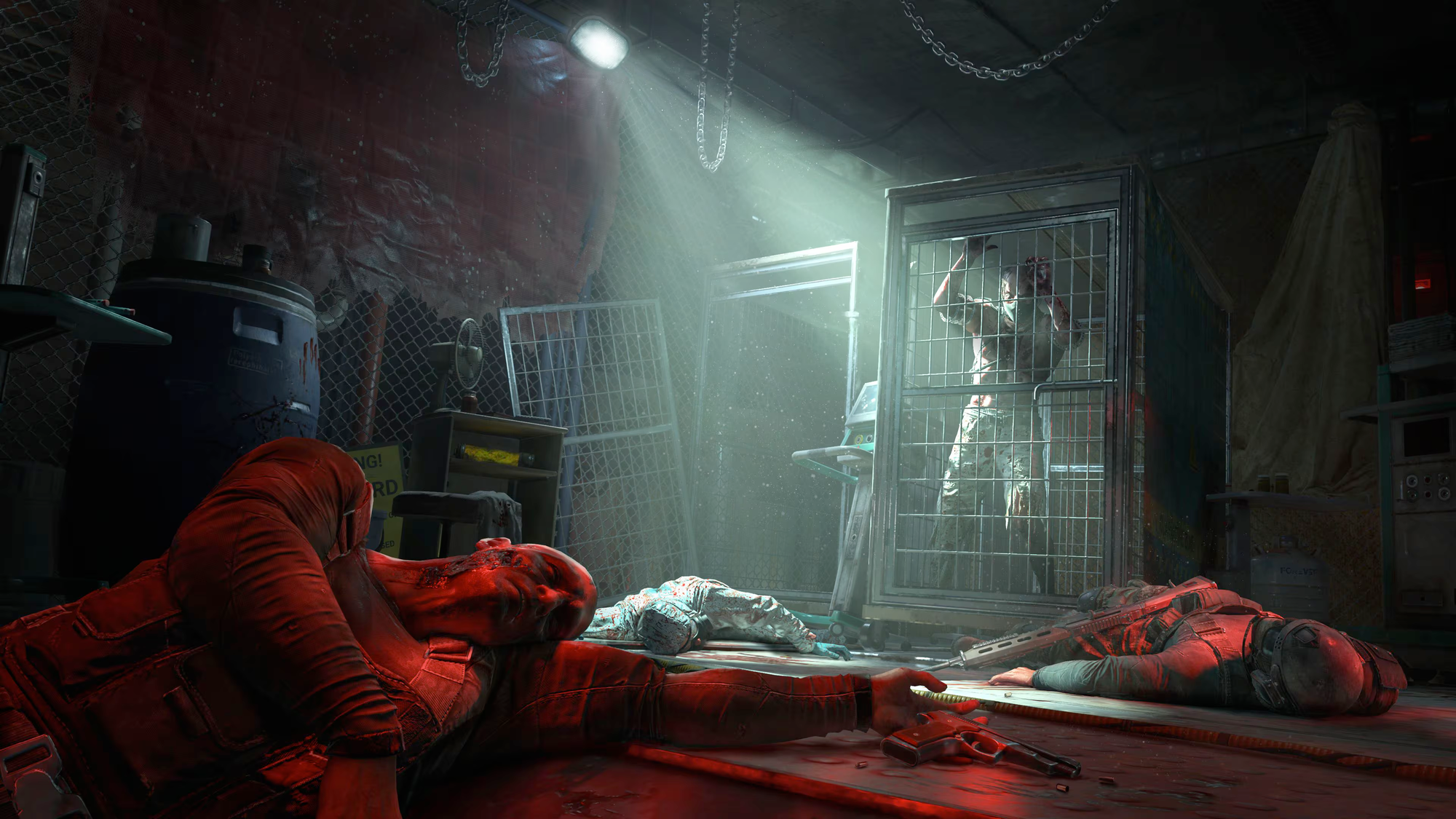
This relentless torture and experimentation turned Crane into a zombie-human hybrid with unique abilities and extra-human strength, yet also leaving him with both physical and emotional scars. Crane is shown various times in the game to blame himself for his own abuse, and this coincides with him also feeling massive guilt for the deaths of both Rahim and Jade Aldemir. We see throughout the game how his trauma negatively impacts him. Despite being as helpful as ever, Crane is angrier, less trusting and colder. Through all of this, he keeps the majority of pain and suffering inside, not able to address it or find a healthy way to cope.
That is until we meet Starchild in the “Don’t Look Back in Anger” side quest. Starchild is also an escaped experiment of The Baron who lives in the cave of exiles with numerous other sentient volatiles. Starchild, an elderly man, is seen experimenting on others to help them. He then asks Crane to partake in some of the experiments, claiming that the outcome will help Crane and the other exiles as well.
During this quest, Crane also hears voices — including his own voice–berating him, and shaming him for things that happened in the past. Crane reluctantly agrees to take part in Starchild’s mission, and after retrieving the parts needed for Starchild’s potion, Crane drinks it. This concoction sends Crane into a dream-like trance, and in the dream Crane wakes up in a dark lab with a long hallway. As Crane walks down the corridor searching for a way out, he once again hears his own voice, saying cruel things to him, blaming him for his own trauma, abuse, and the deaths of those close to him. When advancing down the hallway, Crane is met with Jane looking at him through glass and the dead body of Rahim in a train car. This ties directly back to the first game, highlighting the regret and responsibility Crane feels for their deaths.
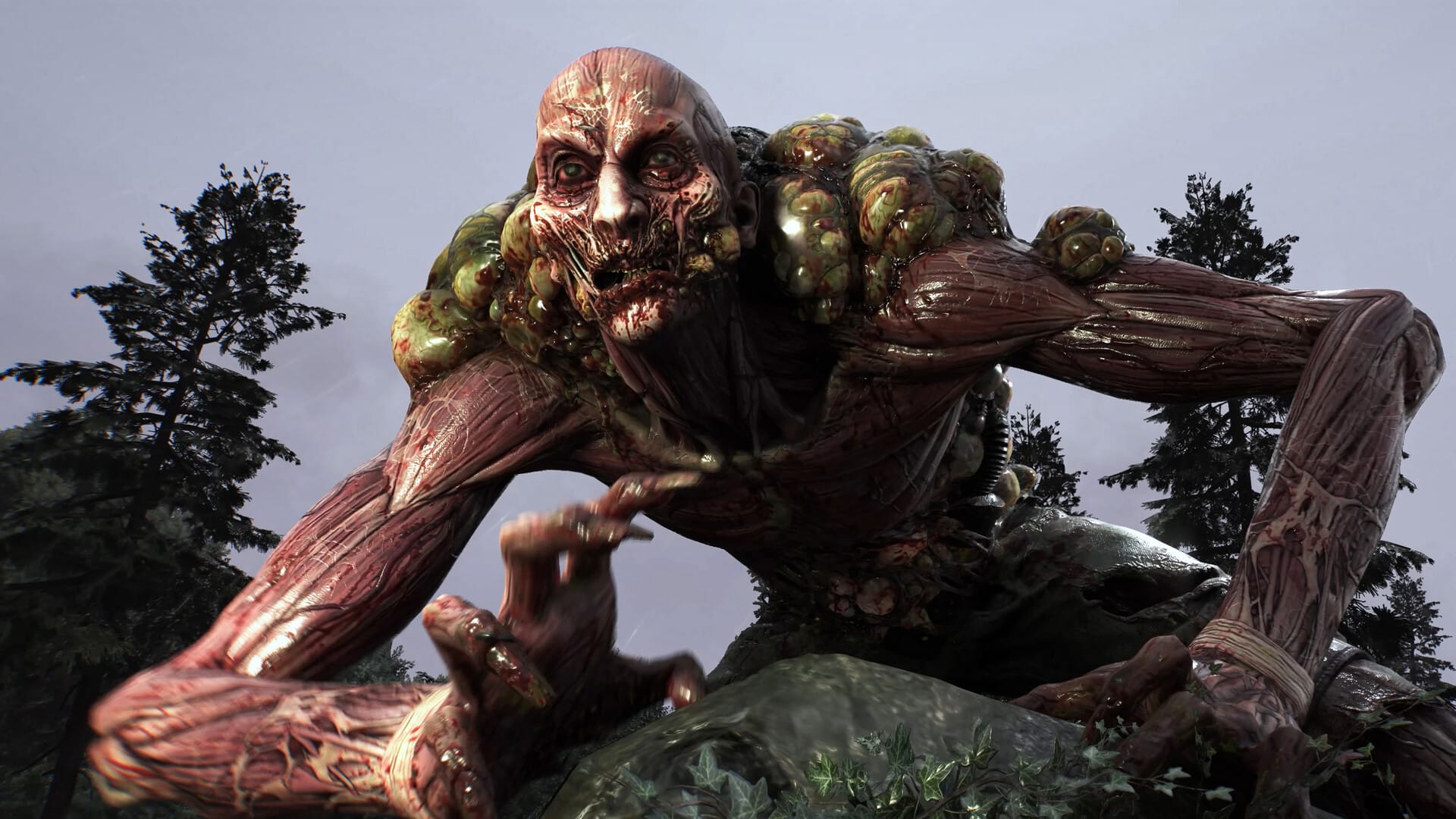
As the quest progresses, the voices become louder and louder until Crane is met with aggressive and powerful variations of himself. All those variations he must fight. As Crane battles his alters, we hear Starchild’s voice guiding him, telling him to fight harder and that his body is convulsing. Starchild commands him to use his inner beast to combat his pain and, after relenting, Crane allows Beast mode to take over and kills his alters. Afterward, the voices stop and Crane wakes up in the real world. When he asks Starchild, who was watching over him the whole time, what all of that was, Starchild responds by telling Crane that he has PTSD. He follows this up by saying Crane is also suffering from regret and trauma.
Crane and Starchild then have a deep discussion, highlighting how Crane’s trance allowed him to face his trauma and pain by using his inner Beast. Something that was forced upon him by the Baron, narratively becomes a symbol of survival, and after the quest with Starchild, it is a symbol of resilience.
The game does not hold back how Crane and other experiments of the Baron face various forms of trauma. Discussions of suicidal ideation, abuse, and allusions to bodily violation and assault are also topics highlighted through the character of Kyle Crane and the exiles. Yet instead of pushing those themes under the rug and having Crane move forward unimpacted, the game addresses it while attempting to craft ways to enact treatment for said issues. Given the bleak, post-apocalyptic and depressing world we are thrown into when playing Dying Light, Starchild’s experiment is not flawless. However, this at least addresses the trauma and other mental health conditions Crane and the others face.
This side quest adds a sense of realism to the survival horror genre. It makes the characters, especially Crane, feel more human. Despite his superhuman strength, he is still, at his core, a man who is traumatized, who is grieving, who escaped an abusive situation, and the game does not demonize him for that. The game does not ignore his PTSD and trauma, it treats it in a way that is respectful to the character and the setting of the game.
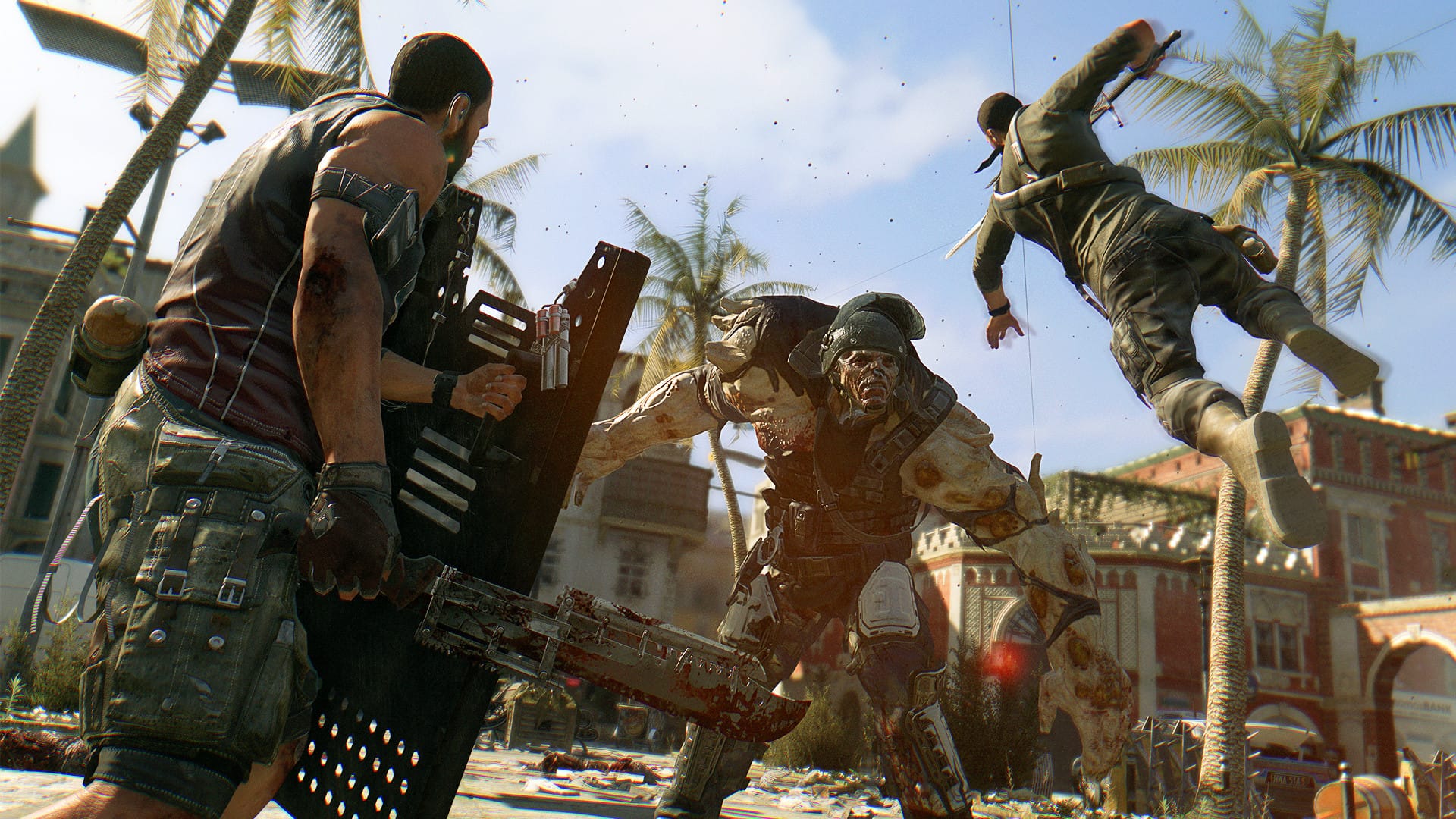
Zombies may not be real (at least, not yet), but trauma, PTSD, assault, and so many things that negatively impact us are. So when a franchise as popular as Dying Light breaks the fourth wall and treats these very real issues with respect and dignity, it makes those of us who live with those experiences feel seen.
Having a character as strong and deadly as Kyle Crane not only living with PTSD, but also accepting help, flips the script on what a survival-horror protagonist is supposed to be and how they consume the trauma and violence they face throughout their narratives. It lets those of us who are inspired by our favorite protagonists, yet also living with similar experiences, relate and reflect. For gamers who might feel ‘weak’ for seeking help, or might be in denial about their own mental health experiences, and might even be suicidal, seeing a character like Kyle Crane accepting and benefiting from help can make the difference between life and death.
The survival horror genre might be rooted in sci-fi, but when devs take the time to respectfully highlight mental health and healing, then it makes the genre feel a lot more human.