


Rogue Recommends: Best Next Fest Demos, Part 2
There are Next Fest gems hidden among the AI! Here are 7 more

Next Fest roars on and it's a bit of a weird quarter. There are some great games that we highlighted earlier this week, but there's also a ton of AI junk out there. Thankfully the AI demos have fallen harshly in the popularity charts on Steam, but it still makes those first few days a nightmare.
I would've liked to have gotten this post up earlier in the week, but I have now sifted through the junk on Steam and discovered some real gems that I'm excited to share with you all!
Here are seven more great Steam Next Fest demos:
Abyssal Lapidary
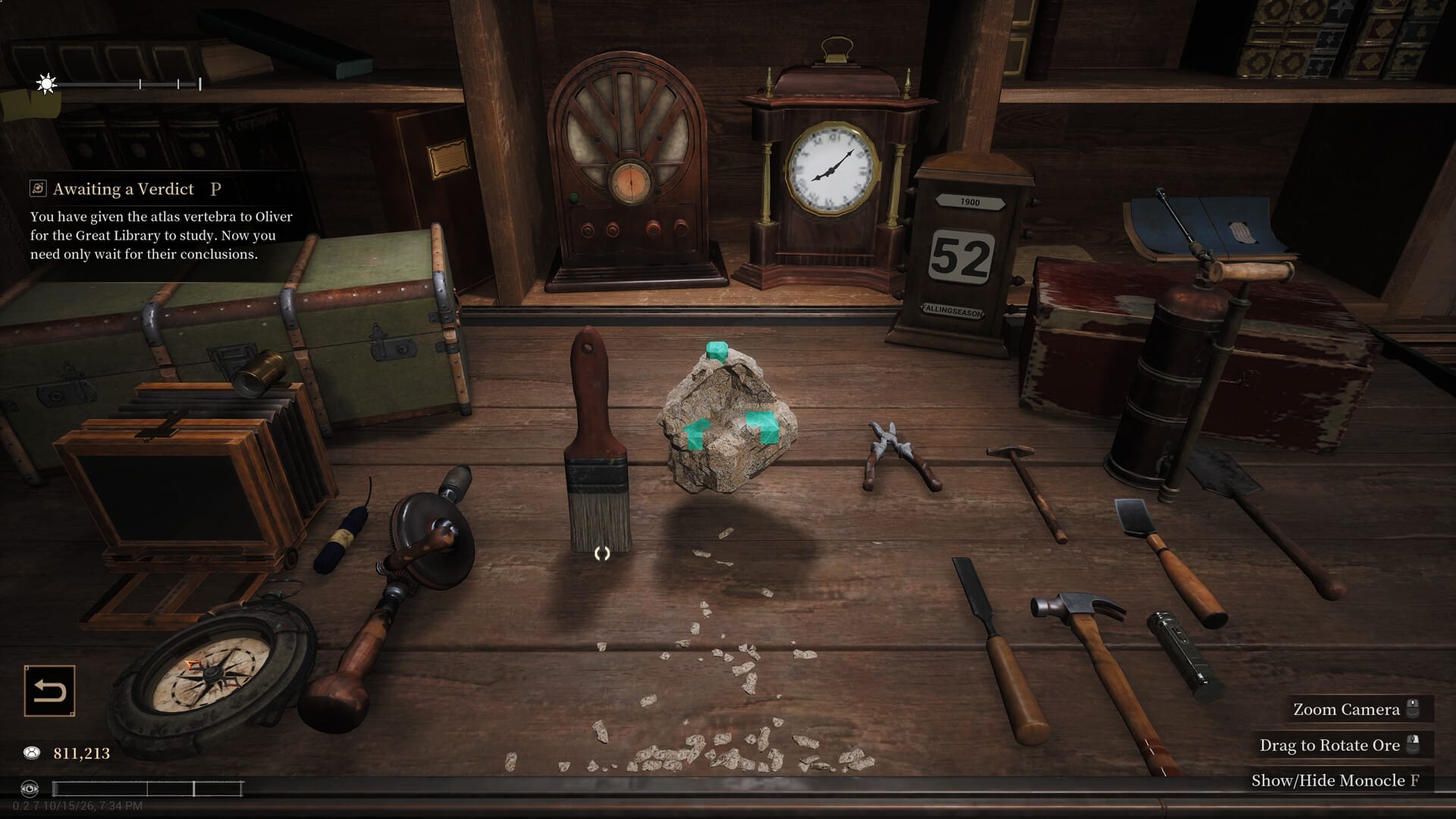
I'll be honest and say that Abyssal Lapidary is the game I'm least sold on this list, but I'll get to why it's still here.
The gist of the game is that you run a mineral/material/rare gem shop in a Lovecraftian world. The basic gameplay consists of chiseling down your minerals at your work desk, upgrading your tools, and then selling gems to potential customers. It seems that, as you go, you'll eventually be setting gems into jewelry and things like that.
What I was really intrigued by, however, is a hole in the middle of the floor. A deep hole. A hole so unfathomably deep that a single item dropped inside makes no sound.
The shop management sim part of the game is totally serviceable and appreciated, but there are tons of those games out there. What I enjoy about this game, and why it's on my radar now, is the clear mystery on top of the game itself. Here's hoping that bares out.
Find The Needle
Look, I've seen people passing around that there are 10,000 "Find the Needle" games on Steam, and probably 99% of them are AI. But this one isn't AI, and is actually awesome. So frustratingly awesome, in fact, that I accidentally spent like two hours of my budgeted demo time on this game.
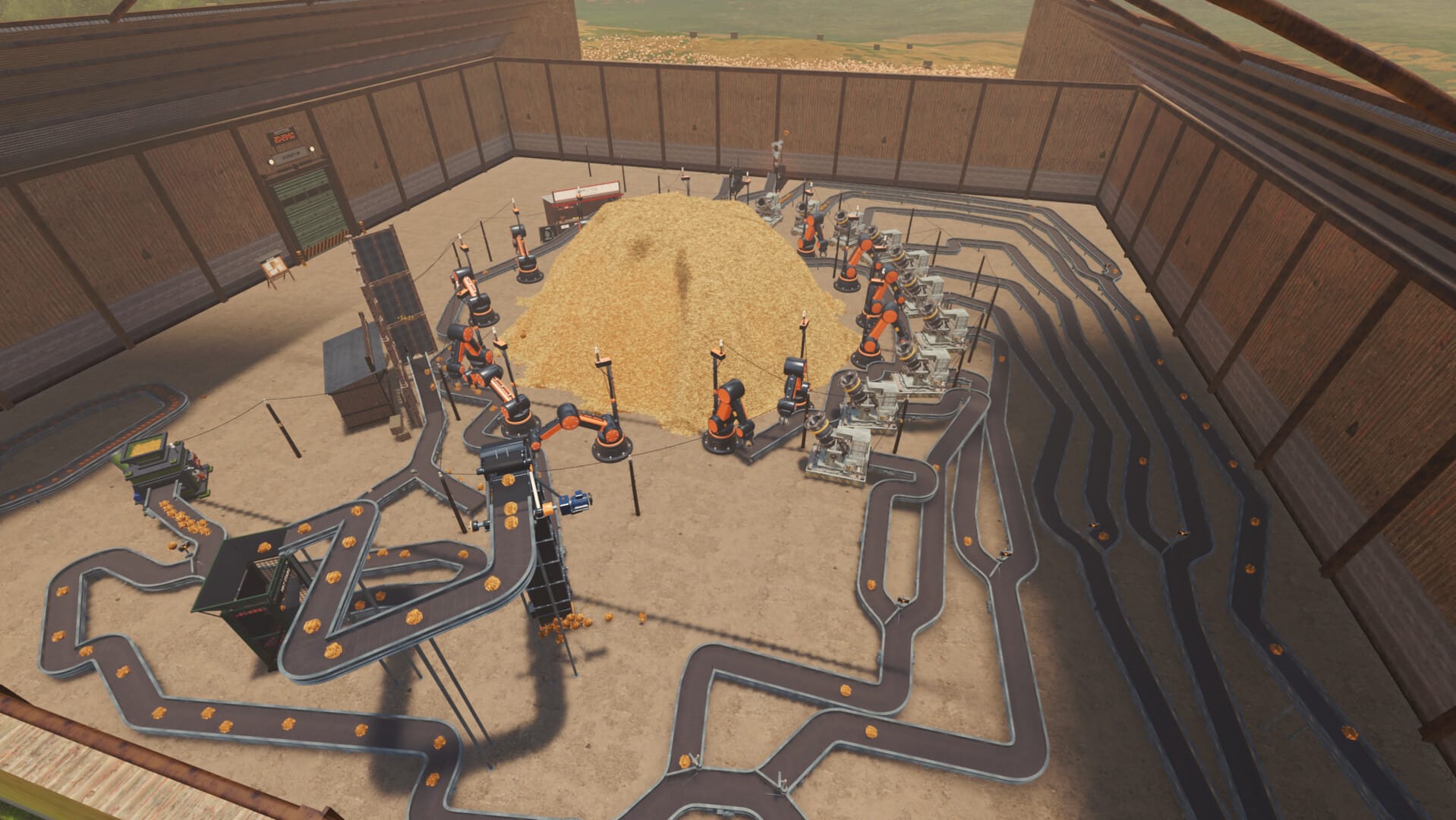
Why? That's a good question to ask. Isn't this game just picking up pieces of hay, looking for needles, and then bringing the hay over to a bin? Yes. But the fun is that it's also an automation game, and that's a problem for me.
So Find the Needle is actually a game about progressing from dragging out out of the stack with your hands, to a small toy shovel, to an actual shovel, to a bucket, to a wheelbarrow, to straight up conveyor belts and robot arms.
By the time I was ready to put the demo down, I had an entire apparatus absolutely chewing through thousands of hay a minute and scanners designed to pick needles out of conveyor belts if they come through. I simply had to stop before I lost more time, and I fully anticipate this game being very dangerous for me once it actually releases.
King's Haven
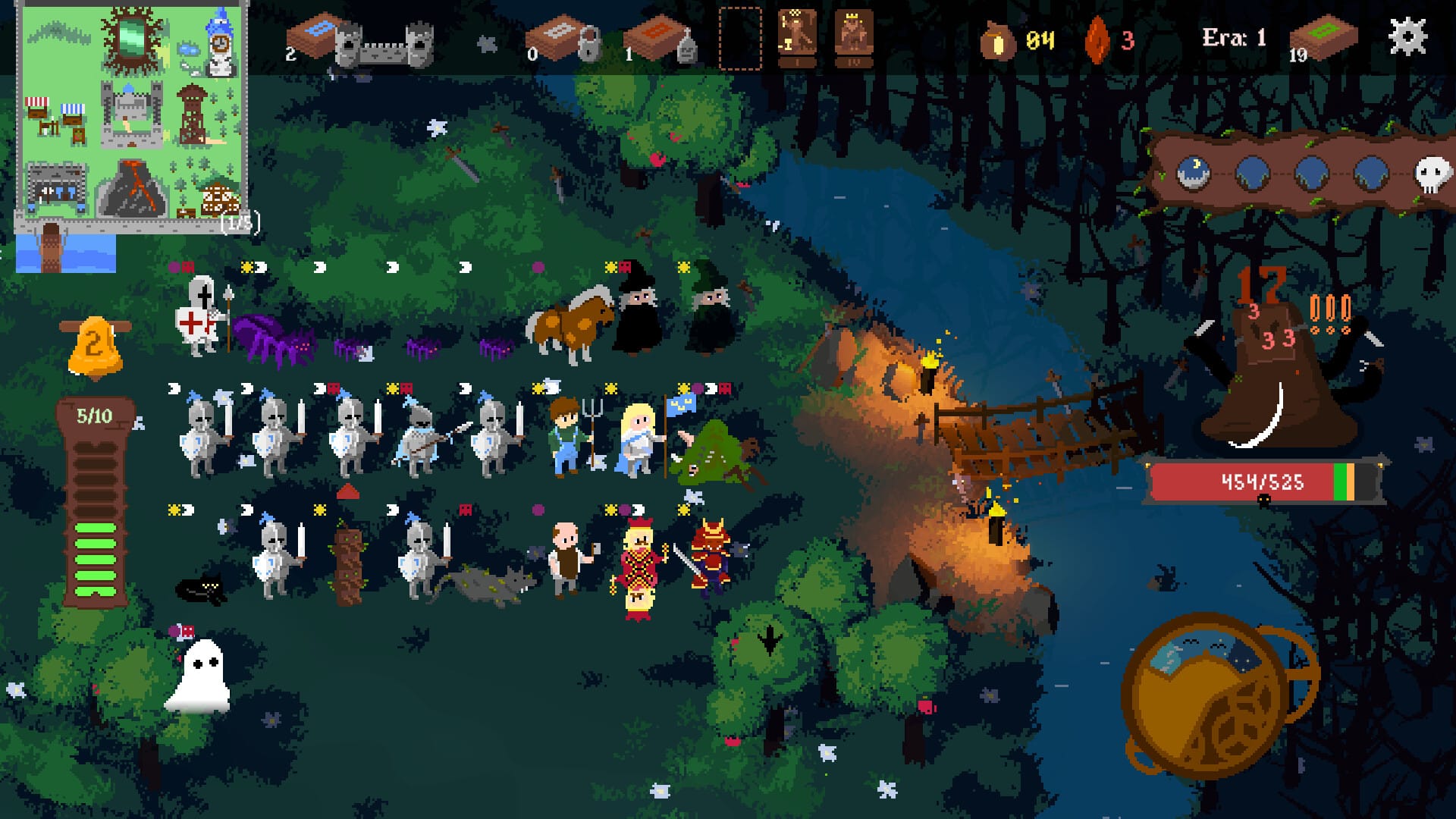
Any name that brings me back to 9 Kings (one of my absolute favorite games in the past two years) forces me to take a close look. And King's Haven has some surprising similarities. But it's also its own very cool game that's worth taking a look at.
The idea behind King's Haven is that you run a small kingdom (which also has a 3x3 grid, like 9 Kings) but you don't spend much time in that kingdom. Instead, you exist on the outskirts, and attempt to defend the grounds from monsters. You do this by placing down civilians in front of monsters, and you only have four nights to defeat them before they reach your home.
Each unit has either a morning, active, or night ability. Morning abilities trigger when you place the unit down, active abilities happen when you click on the civilian on the board, and then night abilities trigger at the end of the turn. At the end of each night, you'll grab another unit from the campfire. And each time you defeat a monster, you'll place a new building in your homestead grid.
This game has a ton of potential, and I'm really eager to dive in and play past the tutorial once the full game is out.
Slotbound
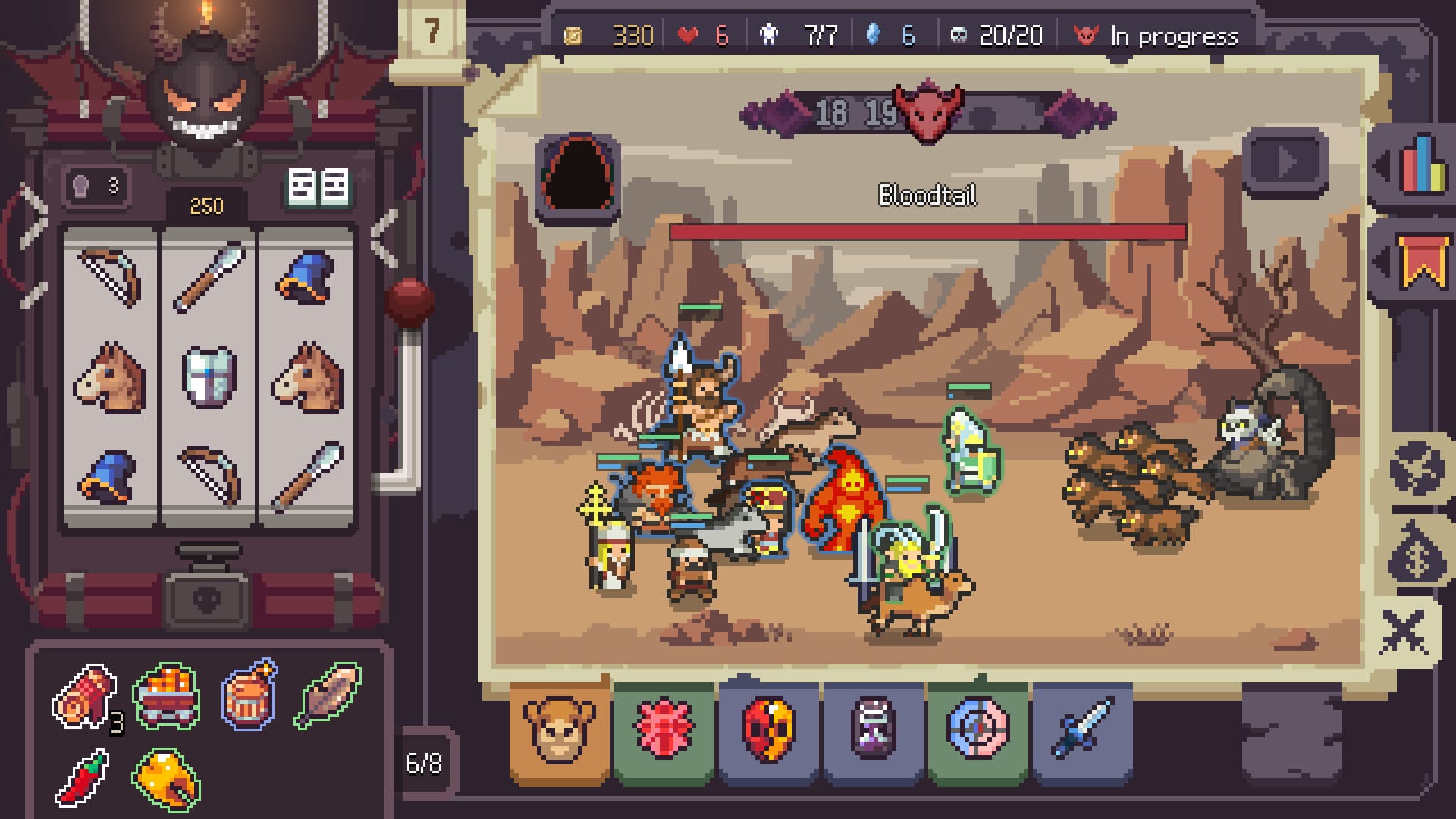
Slotbound is a roguelite that uses a slot machine for its main gameplay system, which isn't uncommon these days. However, with Slotbound, the slot machine is used for summoning individual units for its auto-battler combat.
This manifests in some pretty cool ways. When you pull the lever on the slot machine, it spins the ribbons in an attempt to match three together. Each match spawns the unit that corresponds to the symbol, like a wizard, archer, or knight. However, you can only have a certain number of units on the field at once, so you have to feed units to each other in order to level them up. Interestingly, units will inherit abilities from units fed to them, as well as earn experience. When units level up, they then evolve into different units altogether, like a knight can turn into a pirate, or a duelist can become and emperor.
Each round then takes these juiced up units and puts them in a duel against a variety of enemy units like orcs. Like all autobattlers, the work is done between rounds, and part of the upgrade system is about mitigating some of the bad luck, with trinkets that help you guarantee matches on failures.
After finishing my first round with Slotbound, I immediately wanted to continue on, and had to stop myself. And that's always a fantastic sign of a successful indie roguelite.
Northgard: Battlegrounds
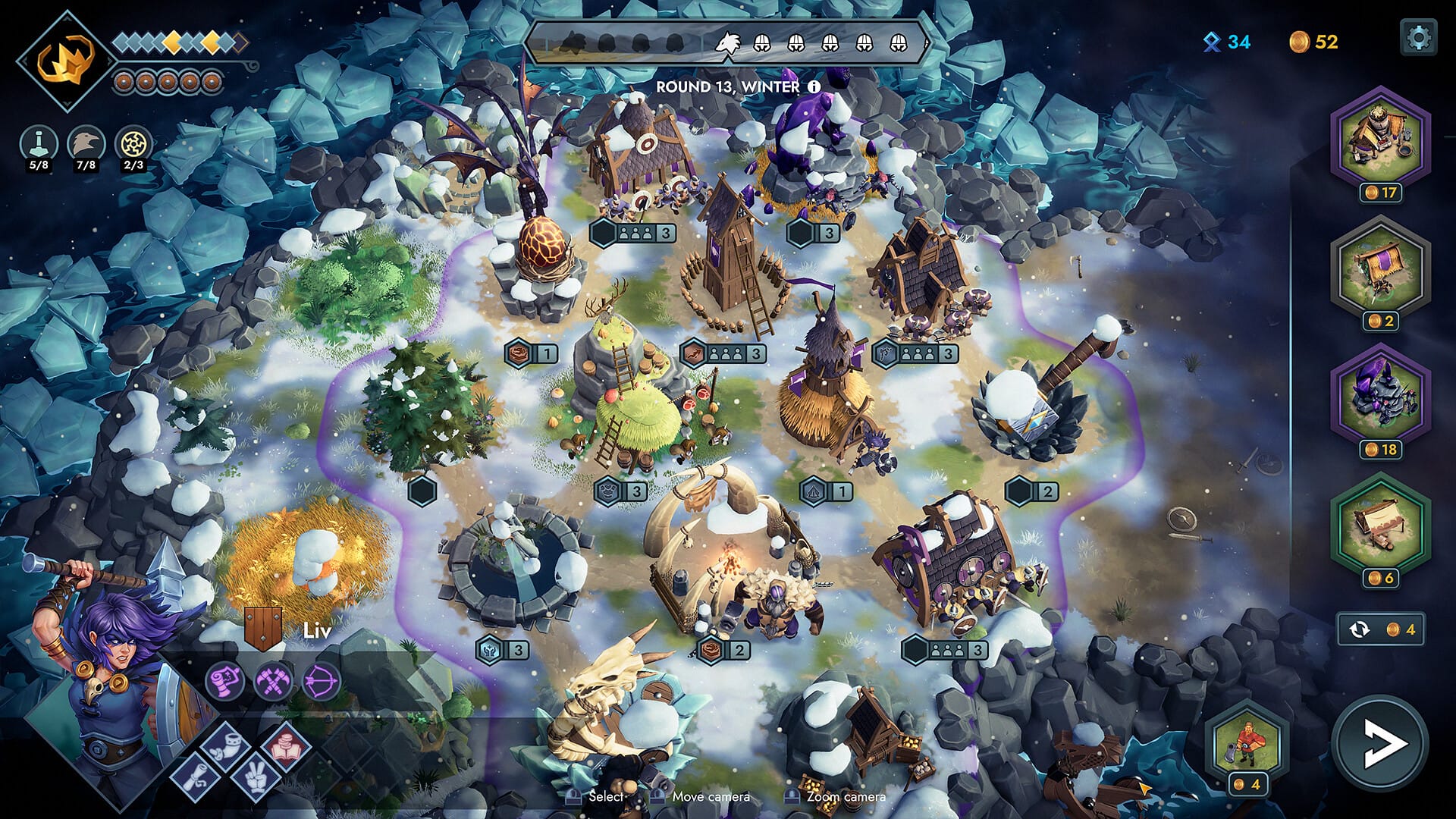
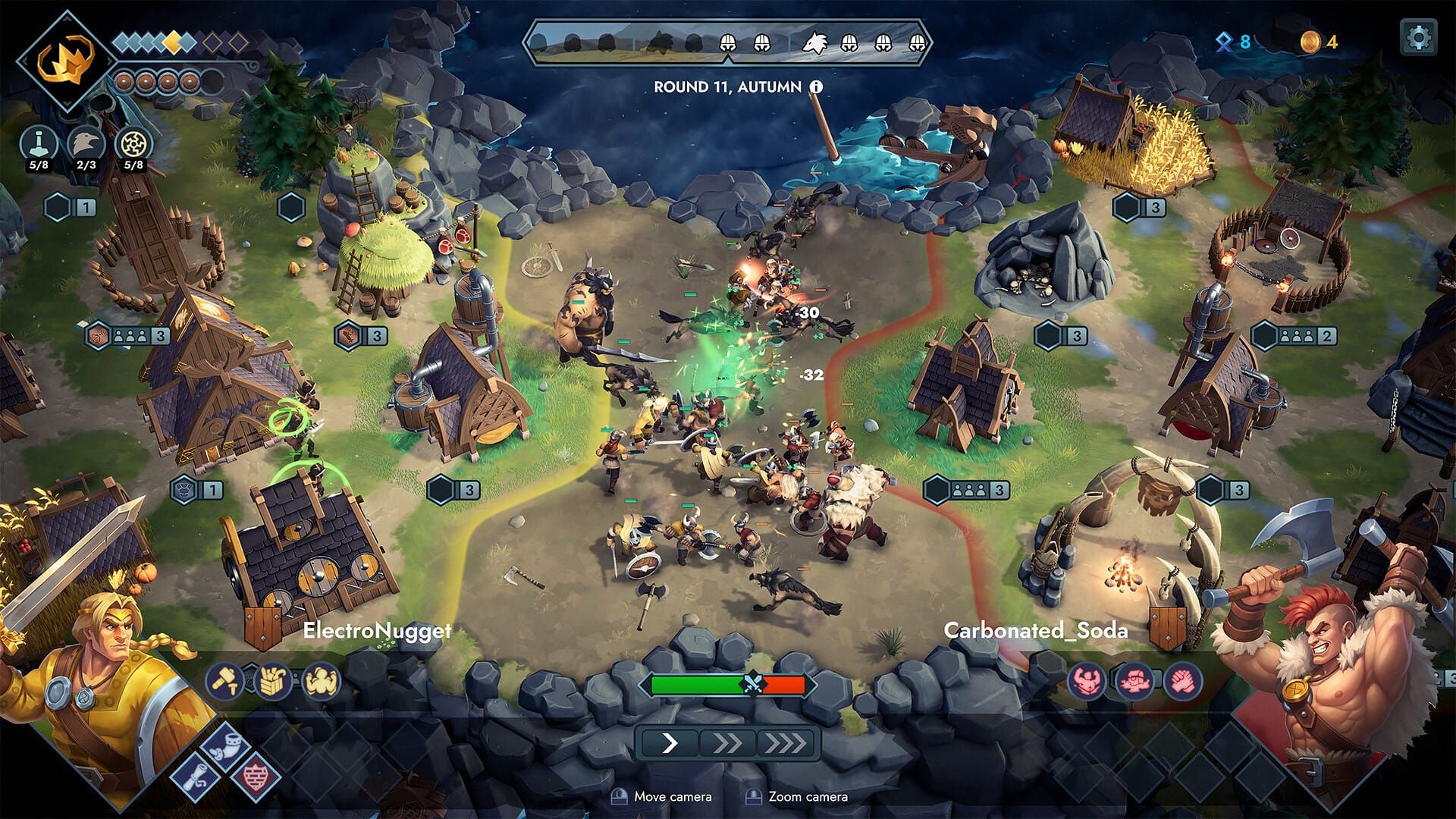
Like a few demos on this list, Northgard: Battlegrounds has had a demo around for some time, and this is just a big update. But we haven't highlighted it yet, and holy shit I was into this game.
Northgard, if you're not familiar, is a 4X game that came out several years ago and is basically Civilization but with Norse myth. It's a cool game, but Battlegrounds takes those units, buildings, and ideas, and turns them into an auto-battler. More specifically, it's an auto-battler in the style of The Bazaar, so it's PvP first.
The idea here is that you're building up your kingdom, thinking about adjacency bonuses for buildings, and then going to war against other kingdoms. Between fights, you'll earn gold, and lore, and purchase new buildings and perk upgrades. Each building can be upgraded multiple times by stacking versions on top of each other, or by filling them with villagers. But villagers are a precious resource, as they get more expensive each time you buy them in a round, and are used to claim new ground in your kingdom.
Battlegrounds looks great, and it has that classic push/pull that you want in a auto-battler like this. Buildings can be powerful if you invest in them, but they also take up space and resources. This game is going to eat my time for dozens and dozens of games once it hits early access.
Dreadmoor
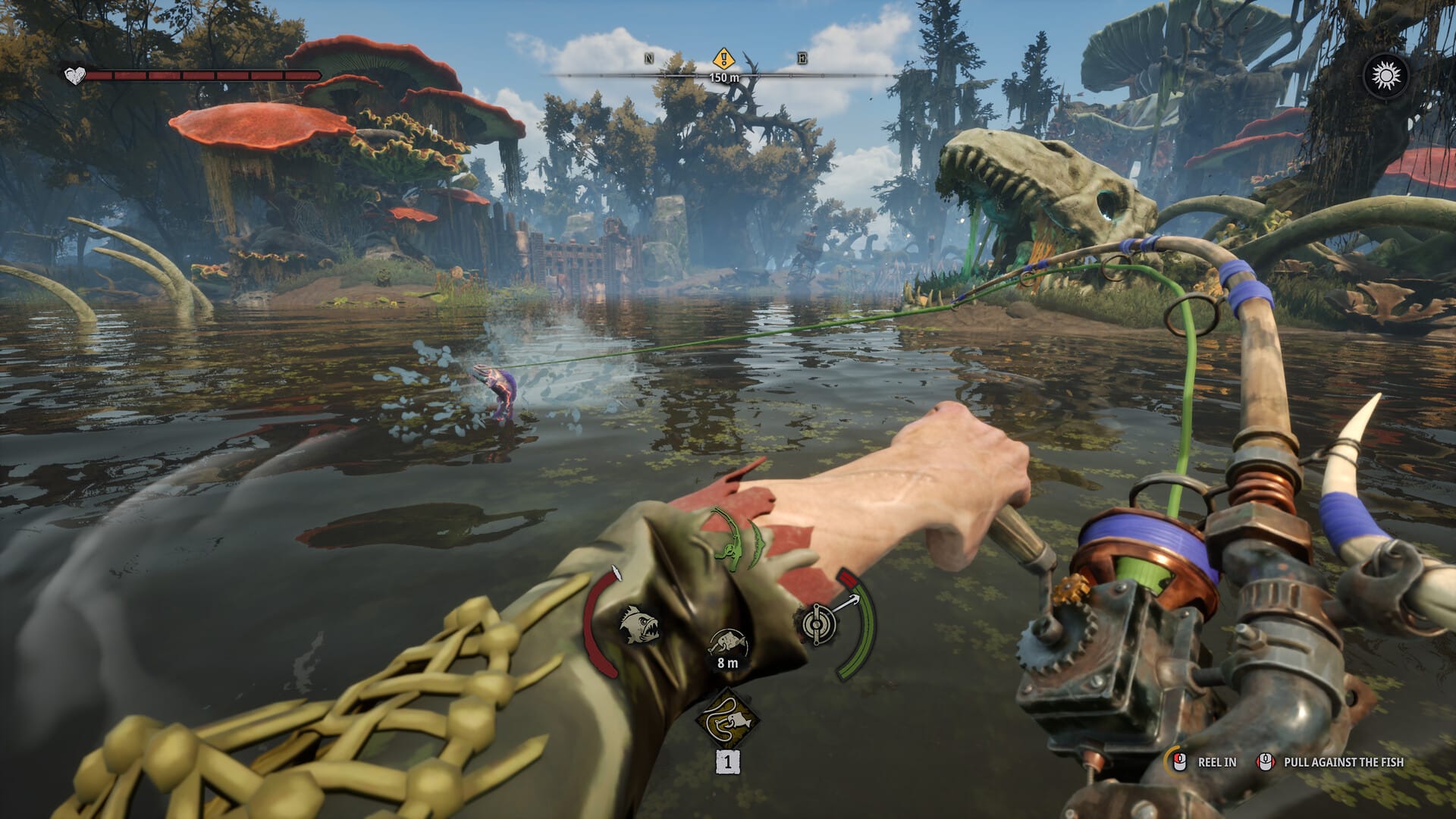
Dreadmoor gives off very similar vibes to Dredge, the incredible spooking fishing indie that came out a few years ago. Dreadmoor is, in some ways, more ambitious. And that ambition is both very exciting, and a little concerning in places.
Instead of just focusing on the fishing boat, Dreadmoor has some survival/crafting elements to it as well. The game takes place in first person, and you're able to run around and scrub barnacles off of the boat, or break down materials. And the world is, of course, filled with yucky, scary, and goopy sea monsters, all of which you can fish from the sea and sell back to the town in order to upgrade your boat and tools.
The vibes of Dreadmoor are immaculate, and I say that as a sea monster-loving person who is obsessed with the spooky elements of the sea. However, where Dreadmoor has me a little concerned is in the fishing itself, which is pretty bland compared to the mini-games of Dredge. It's more akin to a classic "reel-in, tire out the fish" Big Bass Fishing mini-game. And personally, I can see the fishing getting old very quickly, even if exploring the world or upgrading my tools is still exciting.
We shall see how that balance feels in the final product, but so far, I'm pretty excited to see more of Dreadmoor's world, and be introduced to more little fishy freaks.
Inkblood
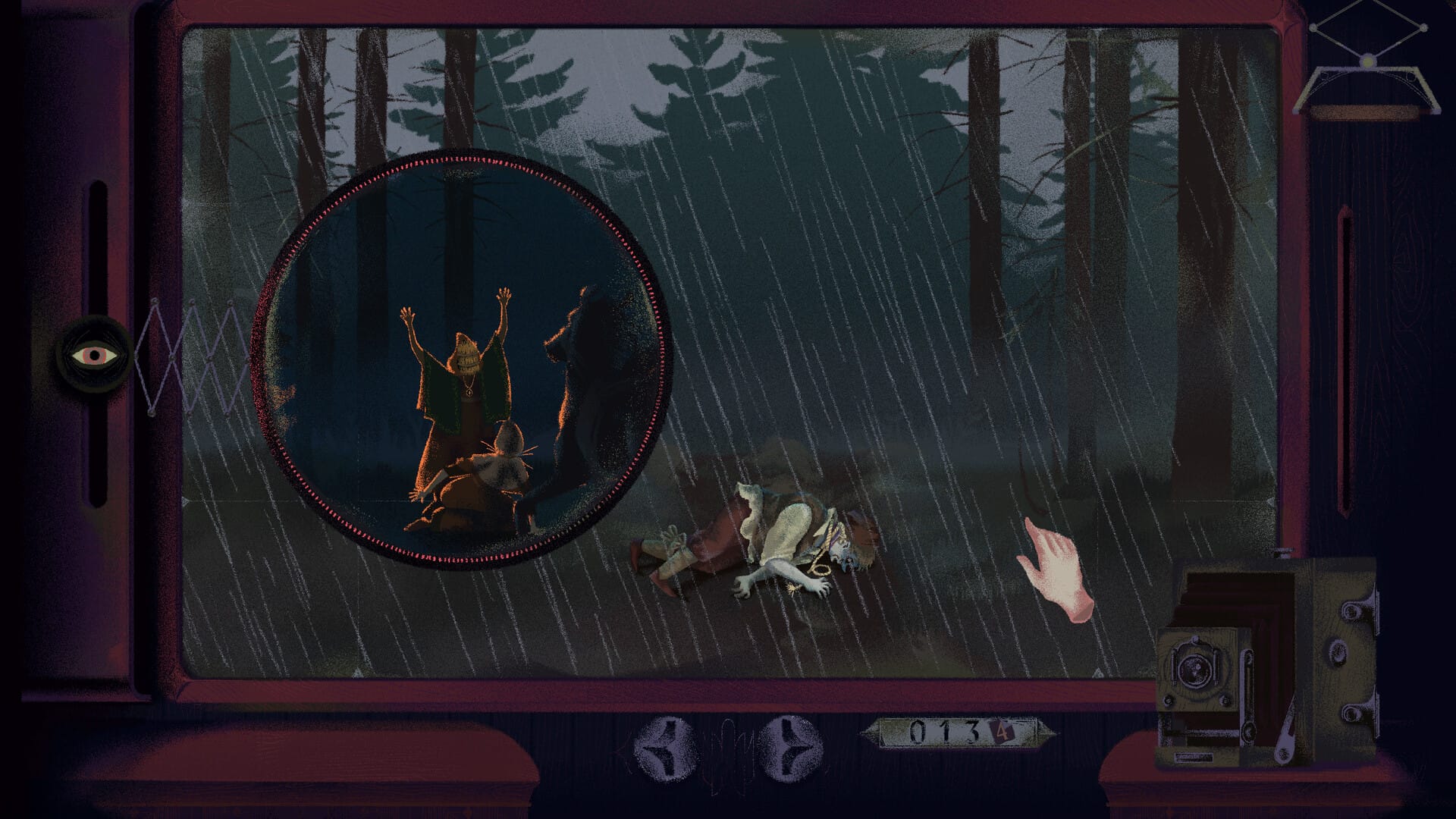
Inkblood is a detective game that follows in the footsteps of giants like Return of the Obra Dinn and the Golden Idol series. And so far, it's standing up to the competition pretty well.
The entire game seems to take place in the back of a carriage, and you, the inspector, are shuttled from crime scene to crime scene. But through the use of your magic lens, which allows you to peer back in time, you're able to see what was happening when the crime itself was actually taking place.
By looking through the window and using the lens, you're able to collect clues both visually and physically in order to piece the puzzle together. You can take pictures both in the modern era and back in time, and use them to place people into the case file and explore their identities.
So far, I don't think Inkblood connects the crime to telling the overall story of what happened as well as something like Golden Idol, but discovering the various elements out there is still exciting and fun here, and I can't wait to explore the world, and it's many crimes, when it comes out.