


So, how does World of Warcraft feel now that Midnight is here?
World of Warcraft launches for all players on Mar. 3

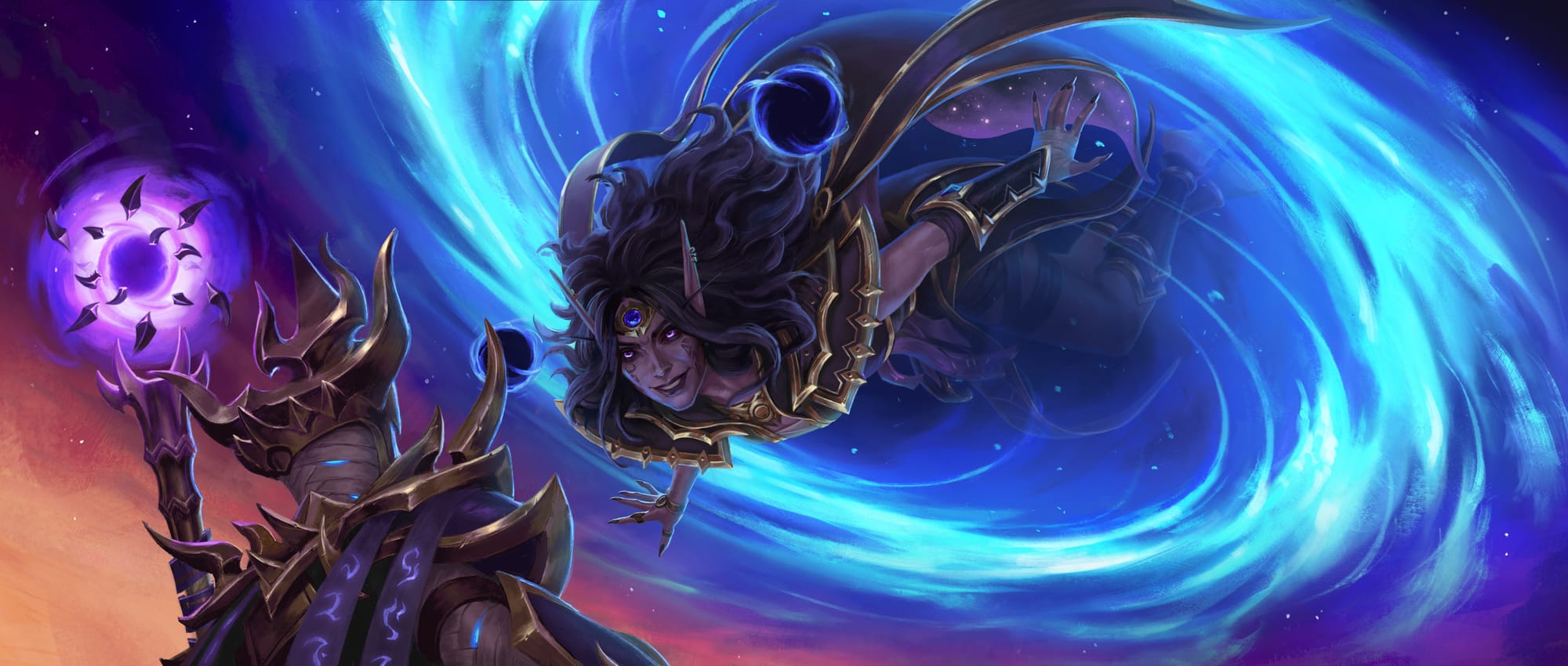
For a long, long time, World of Warcraft went through a very deliberate and slow cycle. First, a new expansion comes out, and there are promises of new lands, new dungeons and raids, new loot, a new main antagonist. It’s all very exciting, and hype builds and builds until the expansion is announced. A few content patches later, the heroes of Azeroth kill that final boss and the cycle begins anew. Midnight, the newly launched expansion, feels ... different. For the first time, the new shiny plot is the thing I’m least interested in about the future of the game.
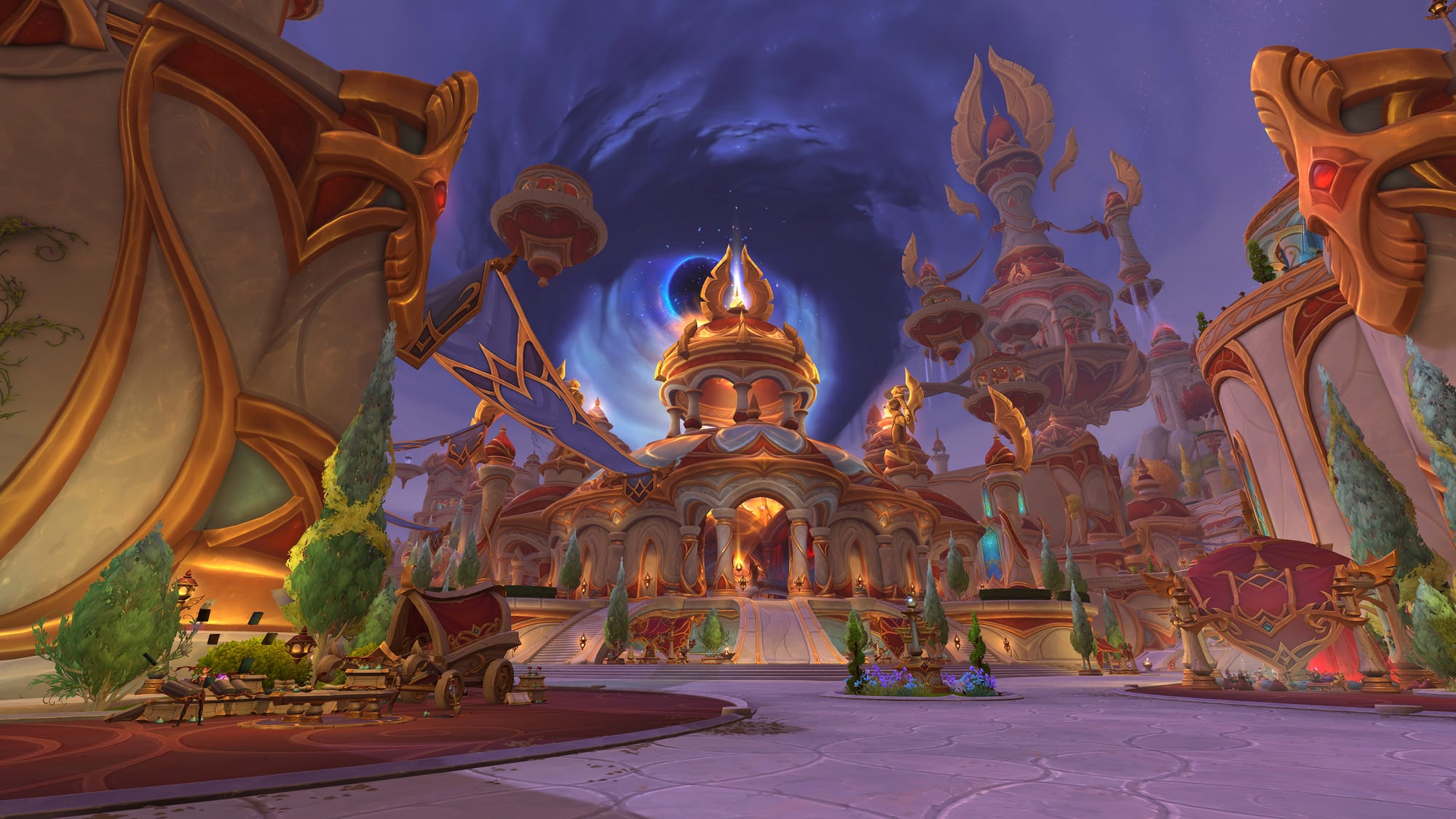
Midnight is unprecedented in that it’s the second act of a three-expansion saga, whereas every previous expansion has been a standalone tale. The opening campaign is a little abrupt and over-the-top; you’re summoned to Silvermoon City to defend it from the forces of the Void. Xal’atath has ripped open a void in the sky, an ominous Void orb bearing down on the elven city. The players manage to battle Xal’atath back and the Sunwell erupts, shooting a giant laser into the Void orb. It’s very dramatic, if a little rushed, and then we’re ushered into Silvermoon City to prepare our defense and eventual counter-attack.
World of Warcraft, as I often say, is like pizza. Even when it’s bad, it still hits a certain spot. It’s hot, a little greasy, and comforting. Midnight has the extra sizzle of being nostalgic, harkening back to the Burning Crusade-era with a modernized Silvermoon City. Recent additions, though, have filled out the flavor profile a little bit, and I’m having fun sampling some of the sides.
Prey for pay
World of Warcraft introduces new features to every expansion, sees what players like, and keeps some while disposing of others. Delves, little mini-dungeons you can run solo with a helpful NPC, made the cut from The War Within and have been repurposed for Midnight. Now, we’re rolling with Valeera Sanguinar instead of Brann Bronzebeard.
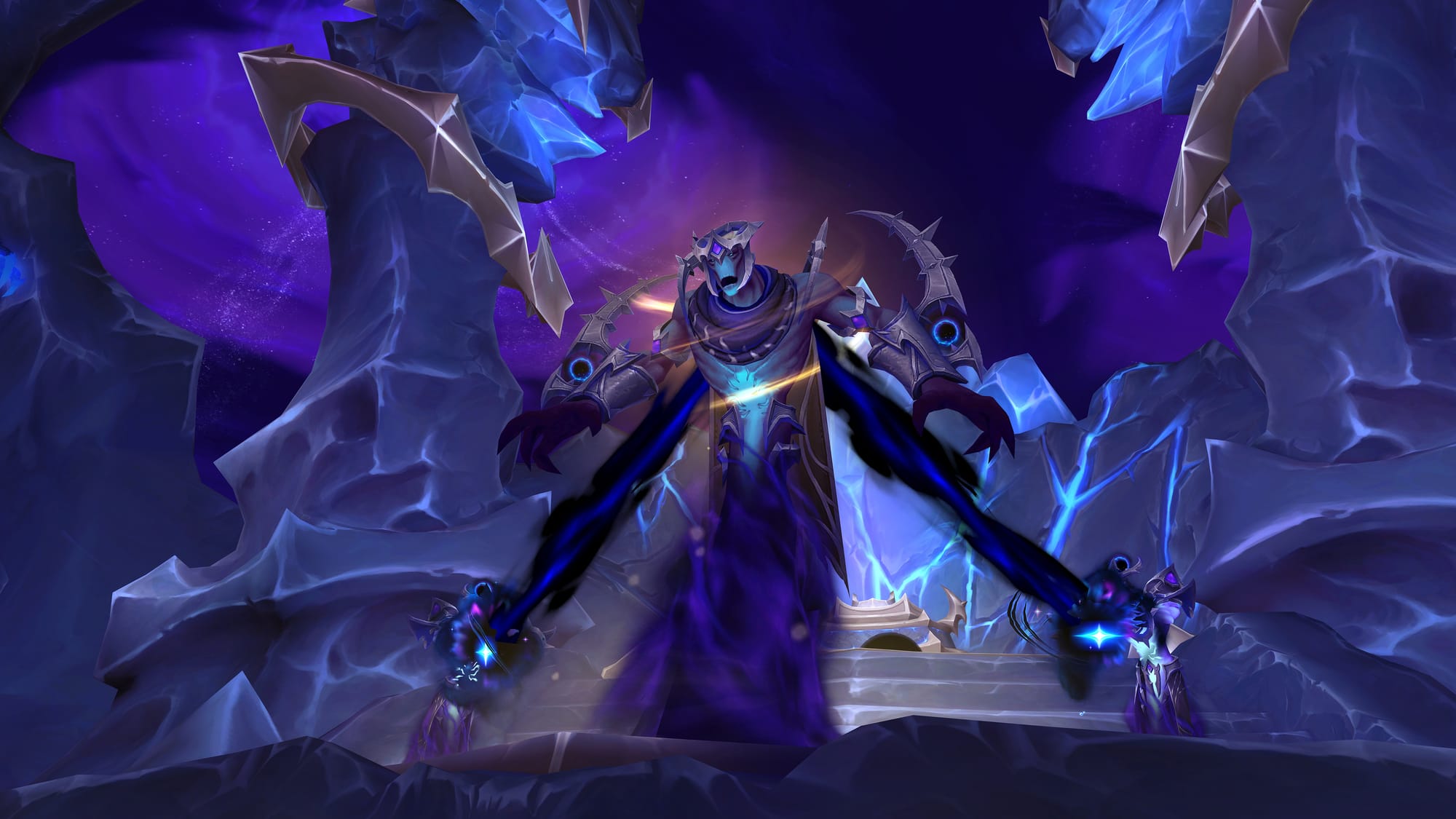
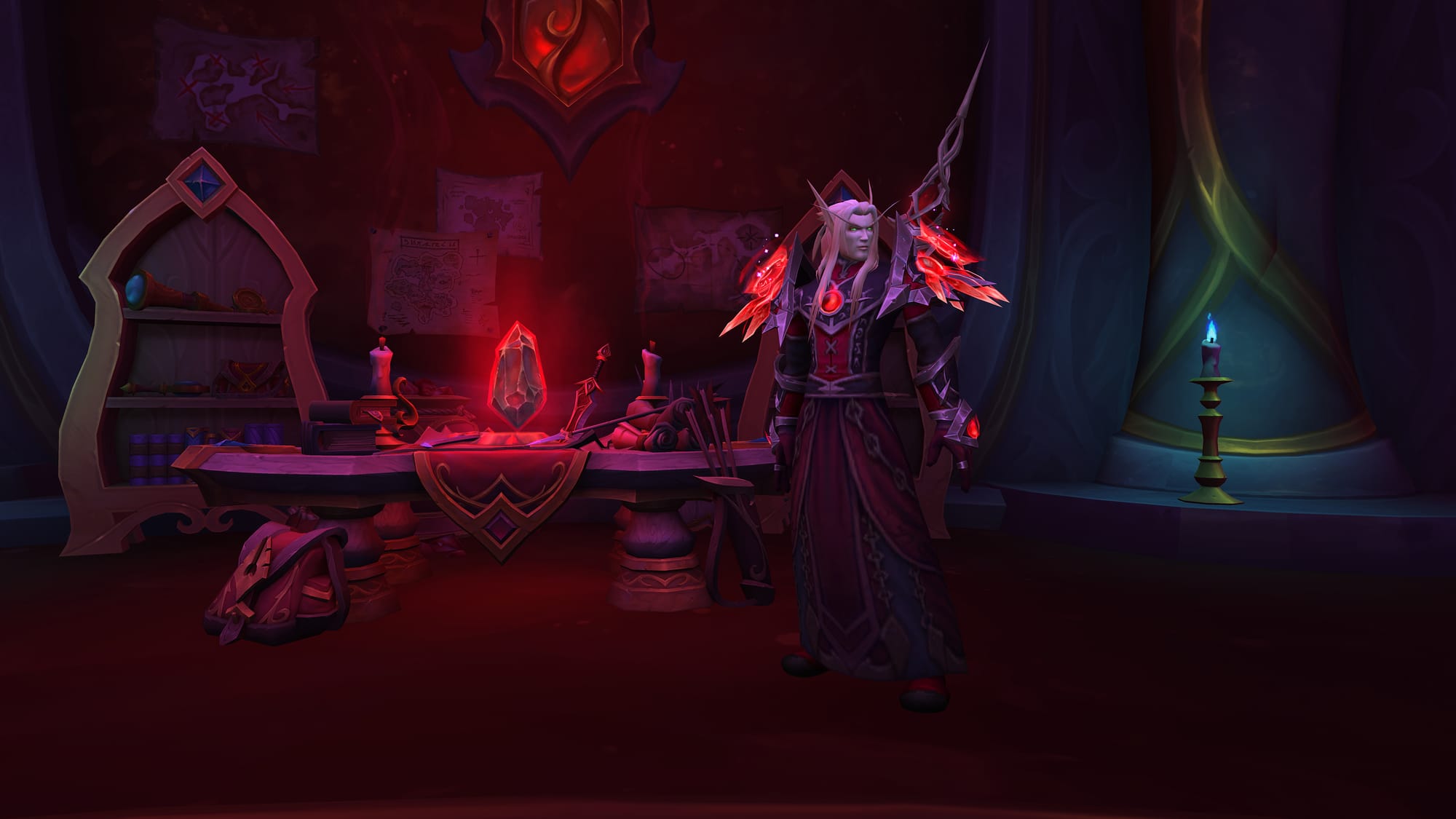
The star system of Midnight, and the one that I think is most likely to get carried over into The Last Titan and beyond, is Prey. In Silvermoon City, Astalor Bloodsworn lurks sinisterly and offers contracts to players. If you accept one, you get jumped by your target while you play in the open world, and have to fight them off. Prey has multiple difficulties, so you can tune how much of a challenge you’d like, and it’s just an extra obstacle to deal with in the open world.
Prey enemies are meant to be memorable; every Prey target, as a baseline, can speak. We’re not monster hunters; we’re fighting a bunch of rascals, zealots, criminals, and other ne’er-do-wells.
“There’s thirty of them in total,” says Kim Flack, senior game developer on Midnight, in a call with Rogue. “Their lines change across all three difficulties, so if you like a target and think you’ve learned everything, do it on a different difficulty.”
The systems of Prey may change, but Flack is confident that the mechanic can continue. “Prey has a lot of different vectors for exploration, for deepening and expansion, and so we’d love to hear from players what you like about this and what could be expanded on.”
Decor hunts
I have to mention housing as one of the big draws. The housing system is fairly robust, and I sampled it with the early furniture I could unlock and had a lot of fun creating a modest little home. That’s just me; there are some real sickos out there spending time making the Millennium Falcon cockpit, or a HGTV worthy mansion, or an underground fighting pit.
What I really enjoy about housing is that the decor is spread all over the game. I spent two weeks idly levelling up blacksmithing here and there so I could unlock all the little knick knacks and accessories for my house.
One of the biggest problems that World of Warcraft has had is that content becomes irrelevant once a new expansion comes out, unless you want to go back and farm a mount or an aesthetically pleasing piece of gear. Decor nullifies that. There are now Expeditions that encourage you to go back to old content; last month, I ran around Outland and did various tasks in order to fill a meter with all of my neighbors, and then I was rewarded with sweet, sweet decor. Sometimes I go and run an old dungeon so I can get a nice end table. It’s a fun integration of past content, and it means that sometimes I’ll log on just because I saw a cool bookshelf or painting that I want to find for my own home.
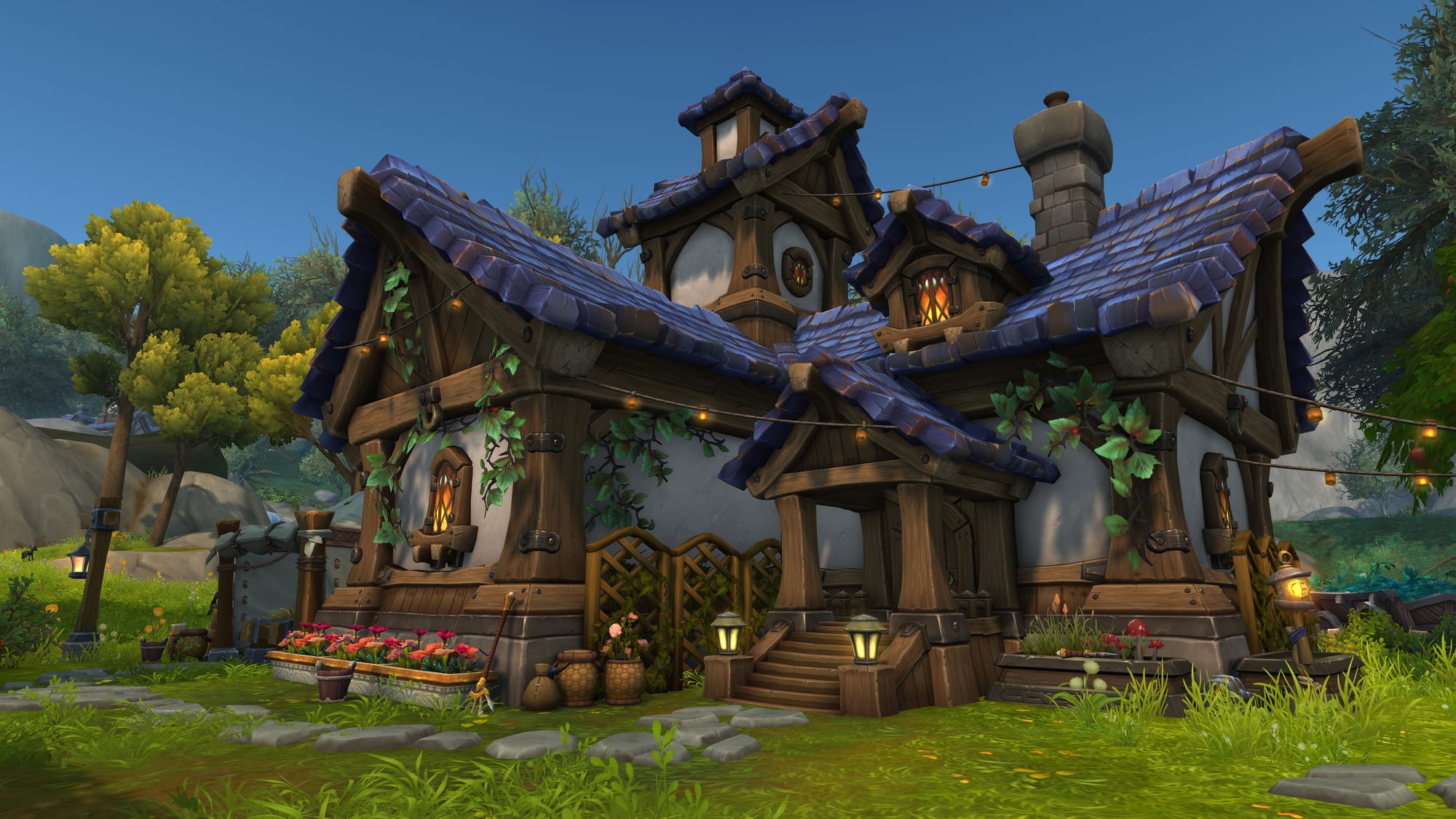
“We knew going into this that we were very deliberately releasing powerful tools that players could use to express themselves,” says Toby Ragaini, Design Lead for World of Warcraft. “The community has taken the torch and ran with it, and the level of investment that players are willing to go into, in a game that’s not known for having a lot of intrinsic rewards is delightful. WoW is about completing quests and getting loot and getting rewards — housing doesn’t have that sort of level-up aspect to it.”
“Without going into specifics,” he adds, “I can say with a high degree of confidence that housing is one of the most popular features in WoW, up there with raids and dungeons. We assumed internally housing would appeal to the more casual audience, and perhaps the high-end raider might not be interested, and that was okay — it has turned out not to be the case. We’re seeing engagement across every major segment in WoW, and it was kind of shocking to us.”
My YouTube shorts feed is also full of little decor tricks, with experts demonstrating how to make a breakfast nook or elaborate makeup counter out of the provided building blocks by Blizzard. I may not care about a particular storyline or zone — I am starting to grow so weary of any Windrunner family member simply because we’ve just had so much Windrunner-centric drama — but I have my little house, and I can spend hours fiddling with the placement of bookcases, so it works out.
Remix and reset
That’s not the only incentive I have to go back and explore. I missed the Mists of Pandaria Remix event, thinking it was just a form of the Classic experience, but the Legion one drew my interest because I loved Legion four years ago, when it came out. (The lying calendar will tell you it’s been ten years, but that sounds fake and I don’t respect it.) Turns out Remix is an accelerated take on an expansion, cutting out all of the tedious busywork and replacing it with a steady stream of rewards: mounts, pets, cosmetics, and housing decor.
There’s also a way to check out past content in a little dose with the new storytelling instances. Find Lorewalker Cho, and he’ll lead you through the story of The War Within, or the history of the elves, or the Lich King’s tragic tale, in a series of quests and cinematics.
Turns out that I actually like Remix quite a bit, and I’ll be eagerly looking out for the next one. There are also going to be new rotating game modes, including an upcoming experiment set in Drustvar. I don’t care for Classic as a rule — I did my time in the mines when that content was live, I see no need to turn the clock back — but I do think that success has led Blizzard to realise World of Warcraft can be more ... elastic. It’s another way the game is breaking out of the yearly expansion, patch, raid, reset cycle.
Old friends and faces
Midnight and The Last Titan are both returning to hugely popular zones and revamping them, bringing them up to the current era of the lore. The Dead Scar, a massive charred streak left by Arthas’ invasion back in Warcraft 3, has finally healed. Villages have been rebuilt. The quests tell a new story of political struggle, rival criminal syndicates’ subterfuge, desperate civilians, and
“Midnight, as the second chapter of the World Soul trilogy, has a bit more of an onus to carry the momentum forward, as opposed to being an expectation reset, which is often welcome. Players say, ‘I like being a warrior, my axe over my shoulder, going from town to town saving villagers. You can’t always kill a bigger God,” says Paul Kubit, associate game director, in a press call with Rogue. The first raid tier will have a big twist, setting the stage for the rest of the war with Xal’atath. “Different raids will have their own climax, different arcs woven together as we work our way towards The Last Titan.”
Going back to see places like Zul’Aman and Eversong woods is cool; it’s interesting to see small stories intermingling with the giant cosmic war. Everyone’s worried about the evil orb in the sky, but the blood elves are still worrying about political differences in the city, their hostilities with the Amani trolls, the lingering aftermath of Arthas’ march through the city. It’s rad that Zul’Aman finally gives the trolls a W — a heroic narrative instead of a villain bat.
It’s a weird time to enjoy World of Warcraft, because the new expansion feels like the least important part about the game right now. “I would ask that your readers continue playing the game the way they like,” says Ragaini. “With all of the access we have to tracking and data, we don’t have intent. All we know is players did something or didn’t do something. So if you don’t like something? Don’t do it! If something doesn’t appeal to you, don’t do it. Just do the things you like, please.”
What a treat it is, then, that World of Warcraft’s new Midnight era is full of things I do like. We’ll see what persists into The Last Titan and beyond, but Blizzard have honed the MMO over the years to fit into my mid-30s lifestyle. I’m playing the game with friends for the first time in years. It’s a feeling not tied to hype around any particular boss or lore dump, and I think that’s a good thing for both the game and its players.