


Layoffs at Ubisoft and Crystal Dynamics today
The end of an era for Red Storm Entertainment and more reductions at Crystal Dynamics

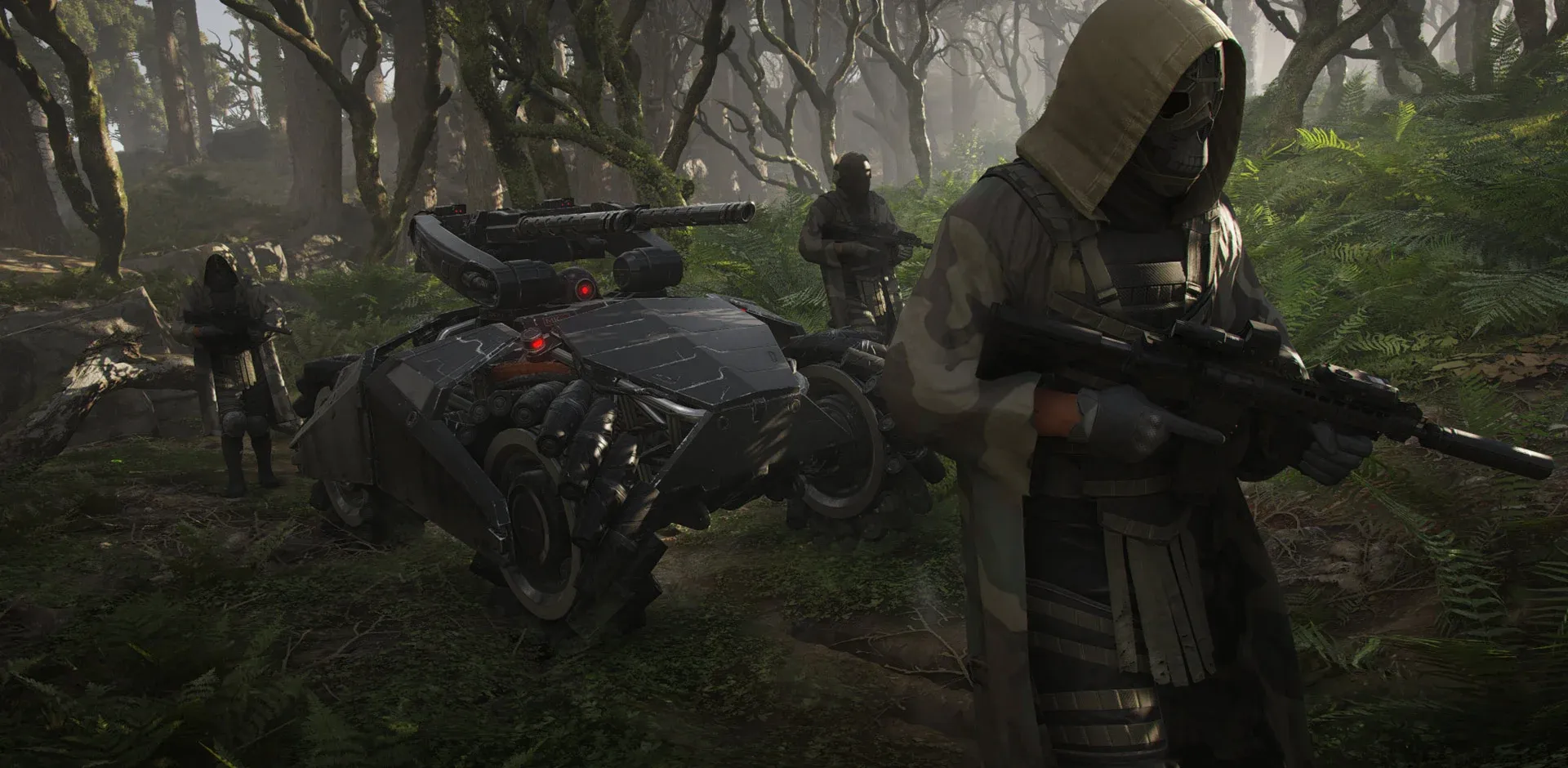
Not one, but two studios were hit with layoffs today, so, happy Friday, I guess.
The first round comes from Ubisoft (unsurprisingly). Back in January, Ubisoft announced a major reorganization that involved cancelled games, closing studios, and layoffs. The news wasn't well-received. But they've been pretty quiet for a couple months since.
Today, in local-to-me news, Ubisoft has announced that it is ending game development at North Carolina's Red Storm Entertainment.
Red Storm was founded by your (grand)dad's favorite military pop-lit author Tom Clancy in 1996. In 1998, Red Storm released the genre-defining Rainbox Six. After the release of the sequel, Rainbow Six: Rogue Spear, Red Storm was purchased by Ubisoft (Ubi Soft at the time) in 2000. Red Storm has been putting out Rainbow Six and Ghost Recon games and expansions ever since. For the last 10 years or so, Red Storm has been more focused on VR, releasing Werewolves Within, Star Trek: Bridge Crew, and Assassin's Creed Nexus VR.
With no more game dev happening in-house, Red Storm will lose 105 jobs. The studio will remain open, but it will only serve as IT and customer support for Ubisoft's Snowdrop engine.
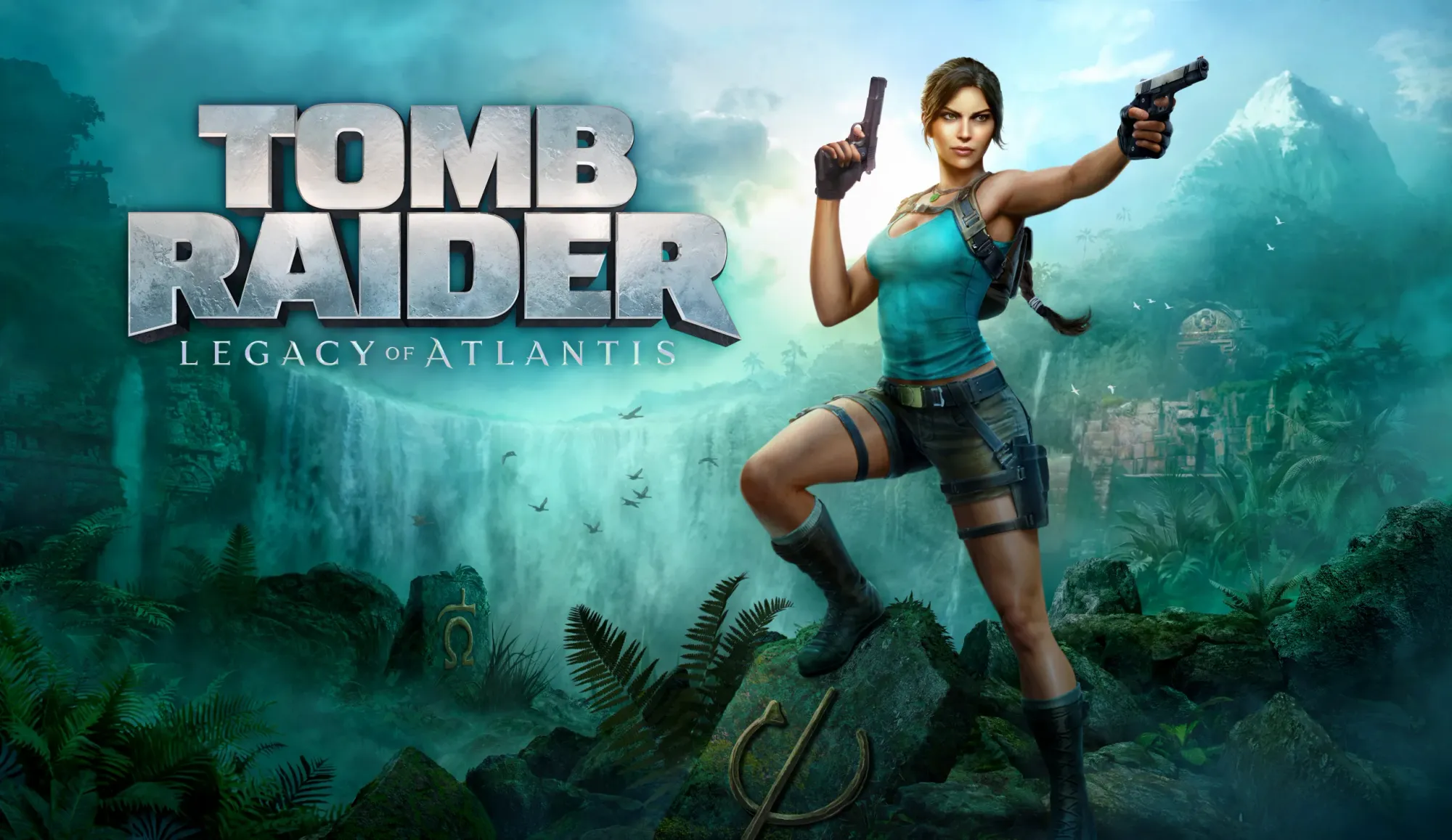
The other round of layoffs is at Crystal Dynamics. After roughly 50 (or more?) people were laid off across four rounds last year, an additional 20 were let go today. This one was to "ensure [team structures] align with long-term goals."
Crystal Dynamics has been in charge of the Tomb Raider franchise since 2006. Their statement about the layoffs says that the upcoming Tomb Raider: Legacy of Atlantis and Tomb Raider: Catalyst won't be affected.
I'm going to give the last word here to our friend Riley over at Aftermath:
The problem here isn’t developers at Red Storm or Crystal Dynamics–it’s the people at the top foisting the consequences of their bad decision-making and endless hunger for profit off on their employees. How many go-arounds of trying to cut their ways to profitability do companies need to try before they realize 'too many people making games' isn’t the problem they’re having?