


RAMmageddon is a stupid name for a very real problem
AI-driven demand is going to delay the next gen consoles

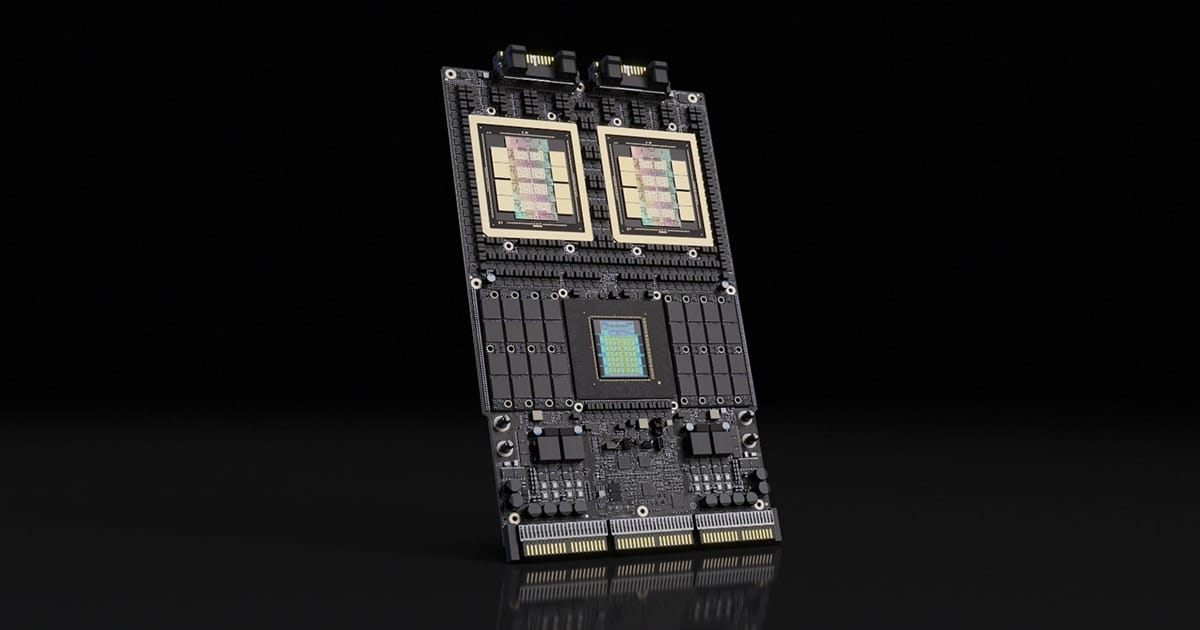
AI, which is bad and dumb, requires huge data centers. Those data centers require huge amounts of water for cooling and electricity. And they’re sucking both of those up at alarming rates.
Our planet is already using water past the point of sustainability — the UN calls this “water bankruptcy” which is a terrifying phrase on its own — and data centers are contributing to that. In the US, data centers are taxing an already aging power grid, driving up consumer electricity prices, and requiring the installation of pollution-spewing coal and gas power plants.
But those data centers also require computer hardware inside of them — GPUs, storage, and memory. The demands of Big Tech are draining global supplies, and that supply crisis is coming for gaming sooner rather than later.
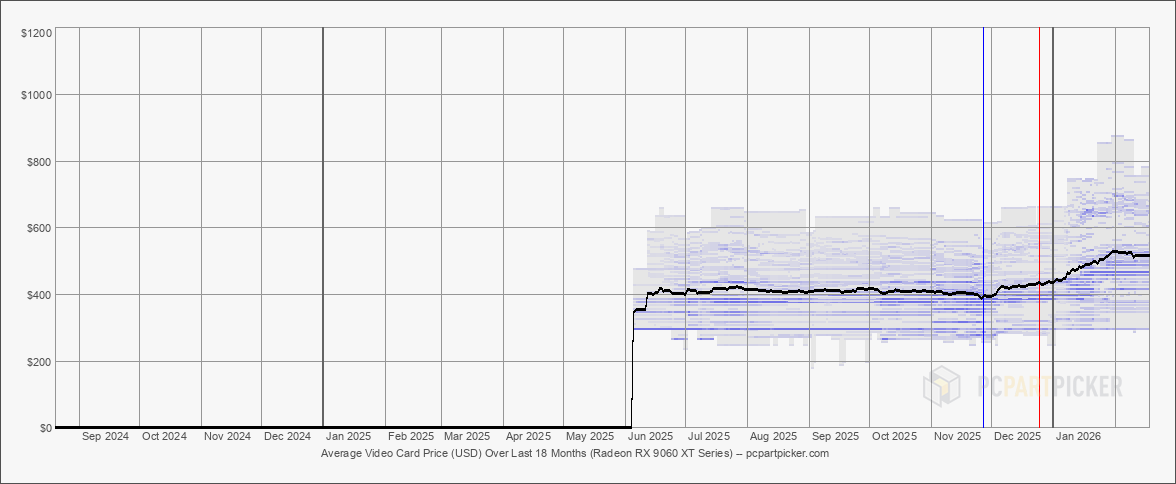
Last year, I built a budget computer that could compete with the current generation of consoles. I did it for just over $800. Checking my shopping list for that project today, it’s roughly $1,400 — up by about 75%. Similarly, Bloomberg reports that some DDR5 RAM jumped by 75% between December and January. And PCPartPicker shows that the price of just about every graphics card has increased in the same time. Hell, the price of the 1TB SSD I put in my computer has gone up almost 300% on its own.
Data centers are driving a demand for memory and chips that the supply simply cannot meet. At the SEMICON conference in Korea, Tim Archer, CEO of Lam Research Corp., had this to say:
“We stand at the cusp of something that is bigger than anything we’ve faced before. What is ahead of us between now and the end of this decade, in terms of demand, is bigger than anything we’ve seen in the past, and, in fact, will overwhelm all other sources of demand.”
NVIDIA’s next AI platform is called Rubin and is due out this year. It promises 50 petaflops of compute (which I’m sure is a number that means something to someone) because it has a mind-boggling 288GB of memory. That’s 18 times the memory in a PS5 or Xbox and 9 times what I put in JASPER.
To be fair here, Rubin uses HBM4 memory which is basically the step up from consumer-grade DDR5, but the two are not unrelated. For example, in December, chipmaker Micron announced that it was stopping its consumer line of DDR5, Crucial, in order to focus entirely on HBM for AI.
Micron EVP of Operations, Manish Bhatia, told Bloomberg:
“This is the most significant disconnect between demand and supply in terms of magnitude as well as time horizon that we’ve experienced in my 25 years in the industry.”
Research director at Counterpoint Technology Market Research, MS Hwang, told Bloomberg that:
“DRAM shortages are set to persist across the electronics, telecom, and automotive industries throughout the year. We are already seeing signs of panic buying within the auto sector, while smartphone manufacturers are pivoting toward more cost-effective chip alternatives to mitigate the impact.”
Basically everything has these chips nowadays — phones, computers, TVs, cars, refrigerators, you name it. Counterpoint says that DRAM could account for as much as 30% of the cost of smartphone soon — tripling what it was last year.
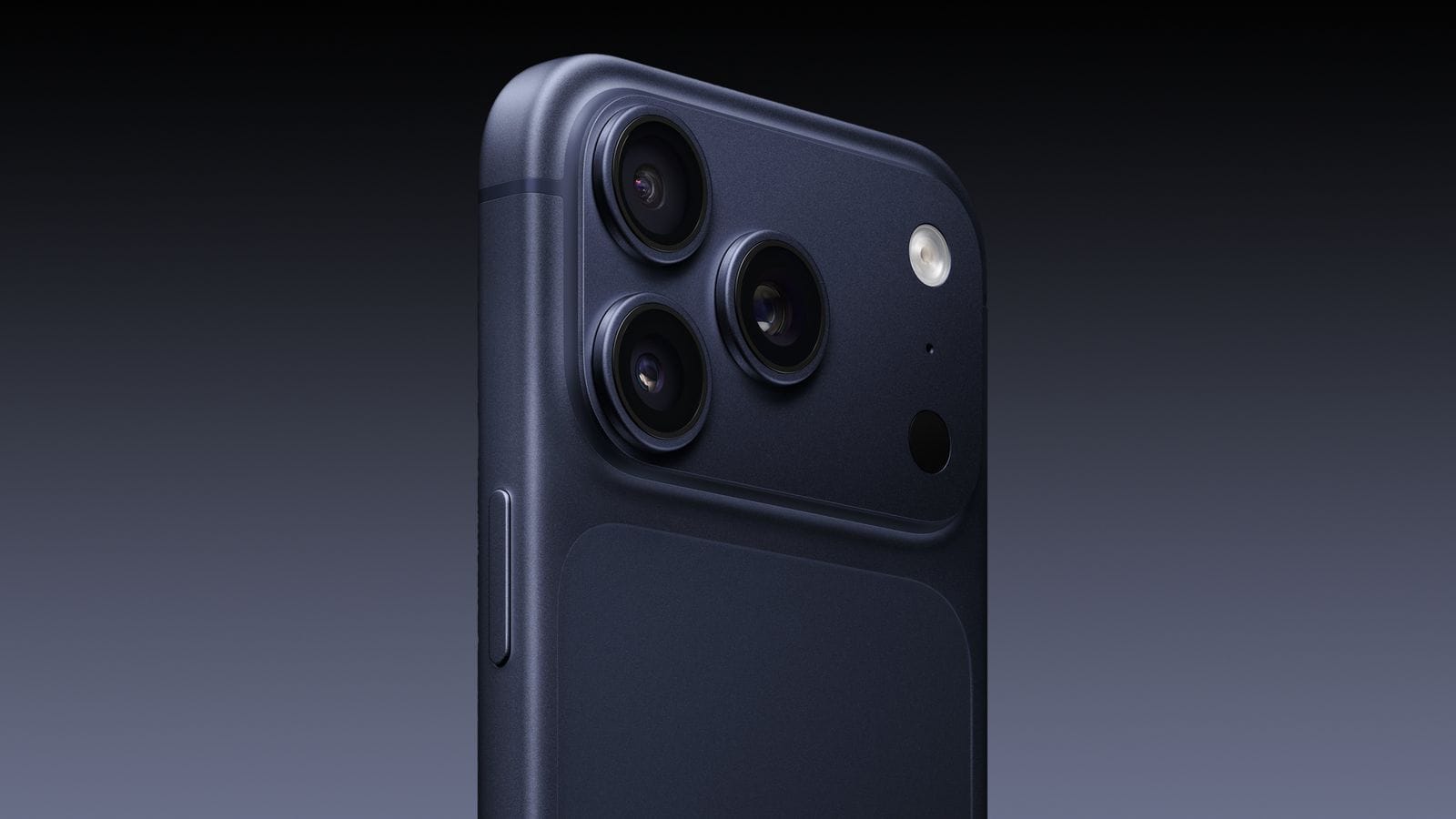
Apple says that they’re going to keep the price of an iPhone 18 steady “as much as possible,” eating the increased cost (cue sad violins for the $4 trillion company) of RAM. But it’s also renegotiating its purchasing costs every six months instead of yearly. And it’s facing supply issues with other components like glass cloth (which is apparently a thing) as AI companies buy it all up.
These aren’t small investments, either. Alphabet (Google) and Amazon are expected to spend almost $200 billion each this year on data centers. All of Big Tech together are forecasted to spend about $650 billion in 2026.
This supply crisis in all things electronic (read: everything) is very likely going to hit the gaming industry soon. PC gamers are already feeling it, but consoles benefit from being on a different time scale with major launches and then lulls.
Nintendo released their Switch 2 console last year, comfortably before the prices started skyrocketing. Nintendo is optimistic about meeting the demand in the beginning of 2026, but, as they’re finishing off their first fiscal year of the Switch 2, there are rumors that they might have to increase the price.
We’re nearing the expected end of the ninth generation of consoles (like the PS5 and Xbox Series S/X). They both came out in 2020, so history suggests we’re closing in on the PS6. But now, Sony is all but officially pushing their next console out toward the end of the decade. PureXbox suggests that Microsoft's next Xbox is (optimistically) looking for a late 2027 release at the earliest, but even those estimates haven't taken into account the shortages.
To be clear, these delays and price increases are unconfirmed rumors at this point. But AI’s negative impacts on the environment and the global supply chain are very real. Just remember the next time you ask ChatGPT a pointless question, it’s the reason you won’t see a PS6 next year (and wouldn’t be able to afford one anyway).