


The Bricks and Minifigs controversy is messy proof we all live in Scam World
A $200,000 Lego collection has gone missing, and it kickstarted a controversy including arrests, police pressure, and accusations of a Mormon mafia.

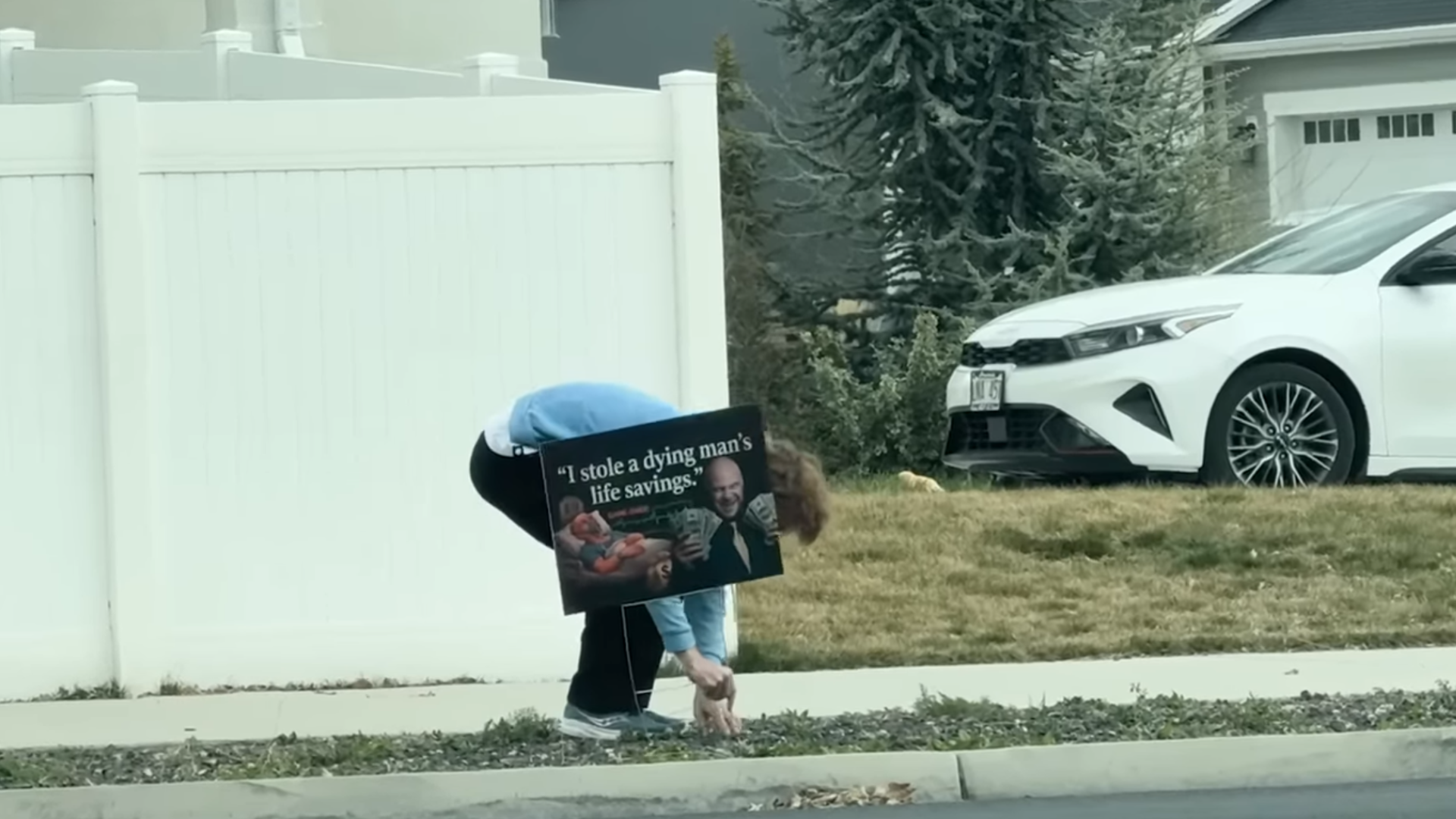
My phone has turned from a simple tool for instant voice communication into a portal for grasping hands that reach for my wallet. I now see the phone as an enemy and a vessel for malfeasance. My notifications are crowded with missed calls from the nefarious Scam Likely, every show has ads that suggest I download casino and gacha apps for some easy gambling, and everything has pricing tiers and subscription models attached.
That’s the stuff that’s all legal and socially accepted — we live in Scam World, where anything is on the table if it can make a buck.
It often feels like the most visibly successful amongst us are not the hard working or the virtuous, but whoever has come up with the most virulent strains of brain poison. This may be why the Bricks and Minifigs controversy has been blowing up online, going from a local dispute over a Lego collection into an international story involving a stolen legacy, a corporate stonewall, and corruption in both the police and local church.
The collection in question
Bricks and Minifigs is a retail chain that has grown off the popularity of Lego collecting and trading; there are locations across the United States and Canada. Founded in 2010, Bricks and Minifigs have made a name for themselves as a place to pick up rare sets, trade in old collections, or have a child’s birthday party. The scandal began at a specific Bricks and Minifigs, in Oregon, which was originally a franchise owned by two people. (The store is near both the towns of Keizer and Salem; news coverage interchangeably uses the town names due to their proximity.)
At 83 years old, Bryan Mansell’s father is dealing with health collections. Mansell realized that his father’s Star Wars Lego collection was quite valuable, allegedly worth approximately $200,000. Mansell met with Chrystal Law, the co-owner of the store along with novelist Benjamin Gorman. It was agreed that Law and Gorman’s store would hold the collection at no cost and Mansell’s father would retain ownership in a consignment deal. Law and Gorman would advertise and sell the collection on Mansell’s behalf, and pass on a percentage of the profit.