The best games of 2026 - so far
It's been a great pre-GTA 6 window for games so far this year. Let's take a look at all of the great stuff we've seen in 2026




2026 is already halfway over, which is upsetting.
Anyway, there are tons of awesome games out right now, and it's very possible you've missed some of them. Well, we're here to help.
Below, we've listed out some of our favorite games of 2026 so far to help you catch up as we adventure into the packed second half of the year. And by packed we mean the pre-GTA 6 rush and then GTA itself.
Destiny 2: Monument of Triumph
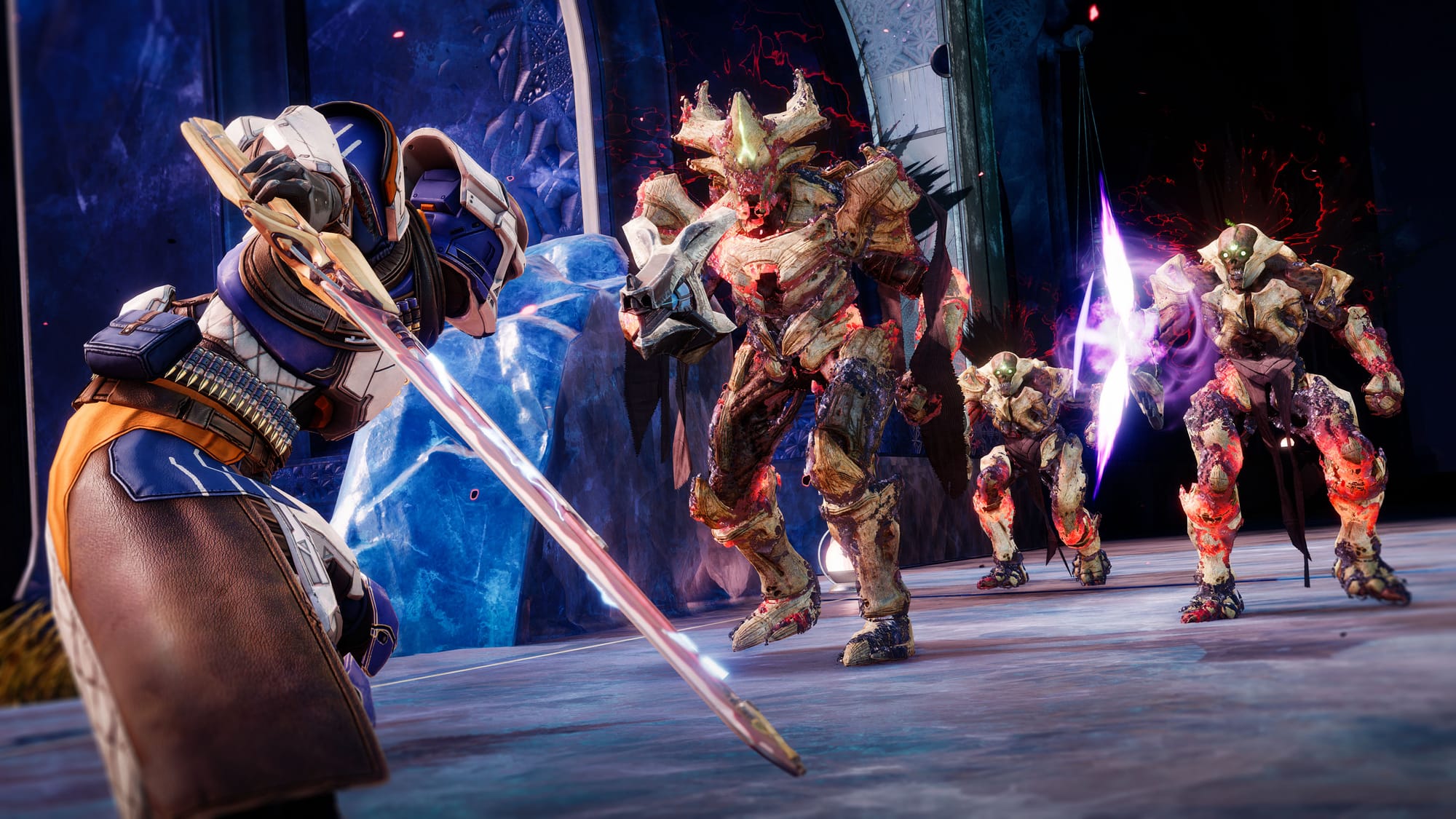
2026 is the last year I can find a way to shoehorn Destiny 2 onto my personal GOTY list, and you can bet your ass that I’m going to include it here.
The thing about Destiny 2 is that it had a knack for pulling people in for a season, or maybe an expansion, and then repulsing them away with the tidal wave of content it offered each year. Oh you played for 1,000 hours one fall to “catch up” and now there’s more stuff to do? Yup, that’s the game’s whole damn thing.
Well, much to my displeasure – and the displeasure of thousands of fans – Destiny 2 has seen its final content update with Monument of Triumph. And while Destiny 2 is still littered with “lost media” that we’ll never see again, the game has been left in an incredible state, with so much to do any enjoy that, to a new player, it would truly be one of the “kid in a candy store” moments of all time.
For the first time ever, Destiny 2 is standing still. And while that pains me to write, it hopefully means that a whole new generation of Guardians can finally catch up to it.
--Ryan
Mina The Hollower
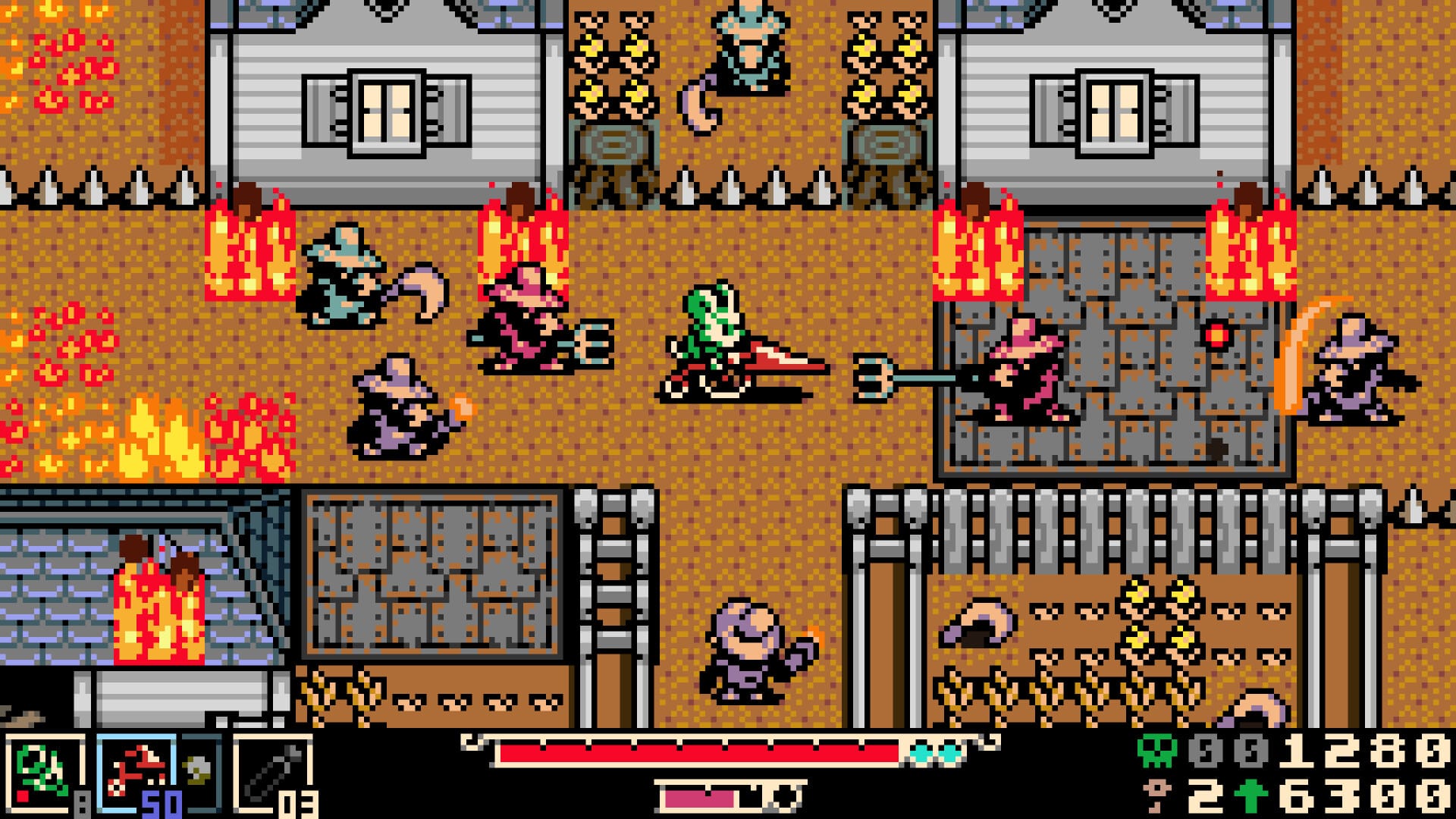
Mina follows in the footsteps of Shovel Knight, the previous game by Yacht Club games, in that it’s another new game in the style of a retro classic. And while there are dozens of games that fit that bill every year, Yacht Club manages to bring just the right amount of charm and innovation to the table.
Where Shovel Knight took on the likes of Mega Man, Mina takes on the 2D Zelda formula. Like all indie games these days, it of course adds in a bit of the ol’ Dark Souls to make a challenging, fresh, and deeply charming little game.
Mina the Hollower is fast, clever, difficult, and gorgeous to look at. Even if you’re not much of a “big indie of the year enjoyer” this is one you should take a serious look at if you want to keep up with the conversation.
--Ryan
Vampire Crawlers
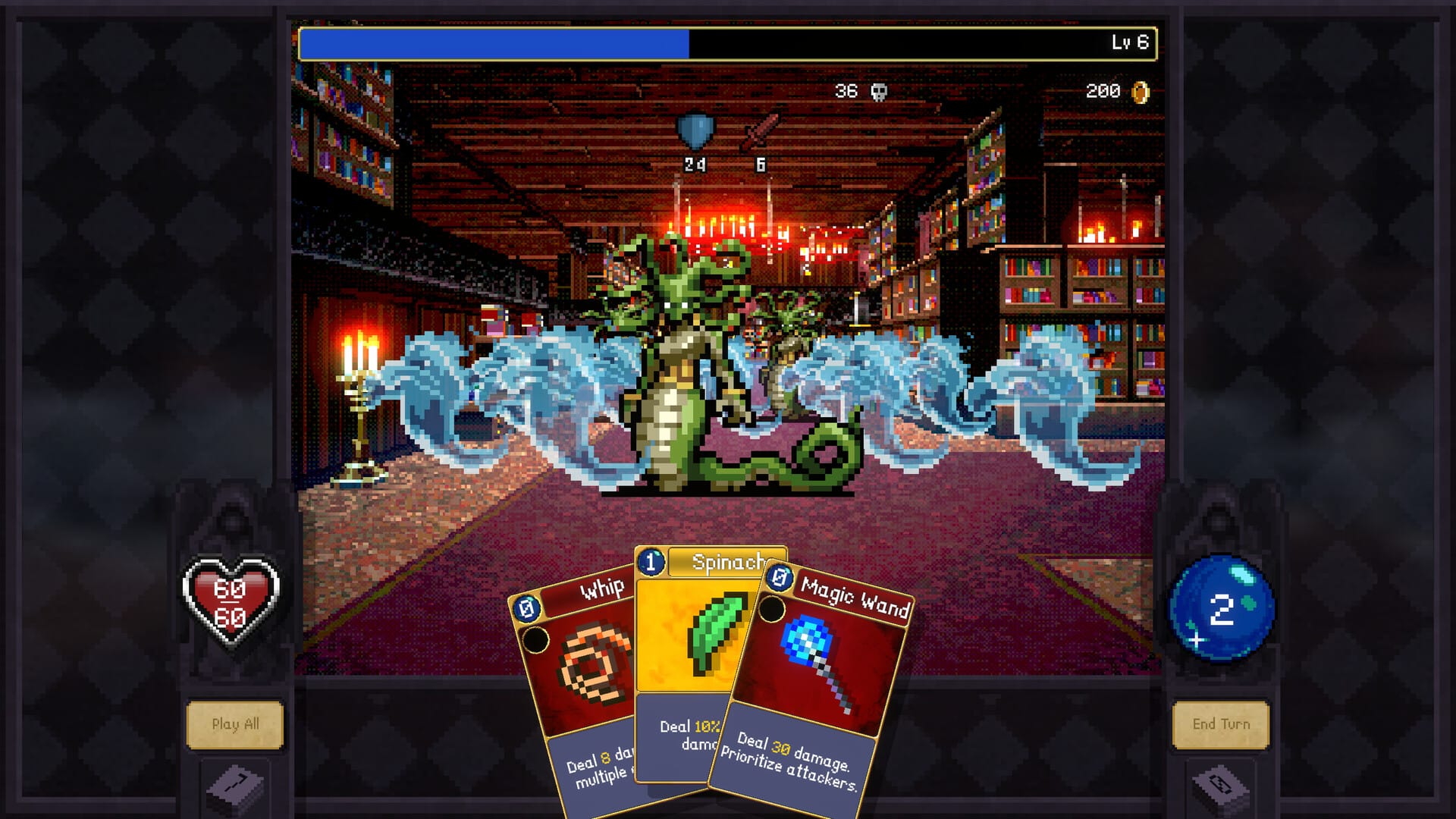
Vampire Crawlers is hilarious, because it takes one of the best and most unique indie titles of the last decade — Vampire Survivors — and turns it into a roguelite deck builder, a genre that is legion in how deeply saturated it is.
And yet, it works perfectly.
Crawlers takes a lot of the heart of Survivors and marries it with this excellent combo system that makes every combat feel frantic and fun. Then it pairs that combat with its weird 3D explorer mode to make a game that is almost as unique as it’s predecessor.
--Ryan
Diablo 4: Lord of Hatred
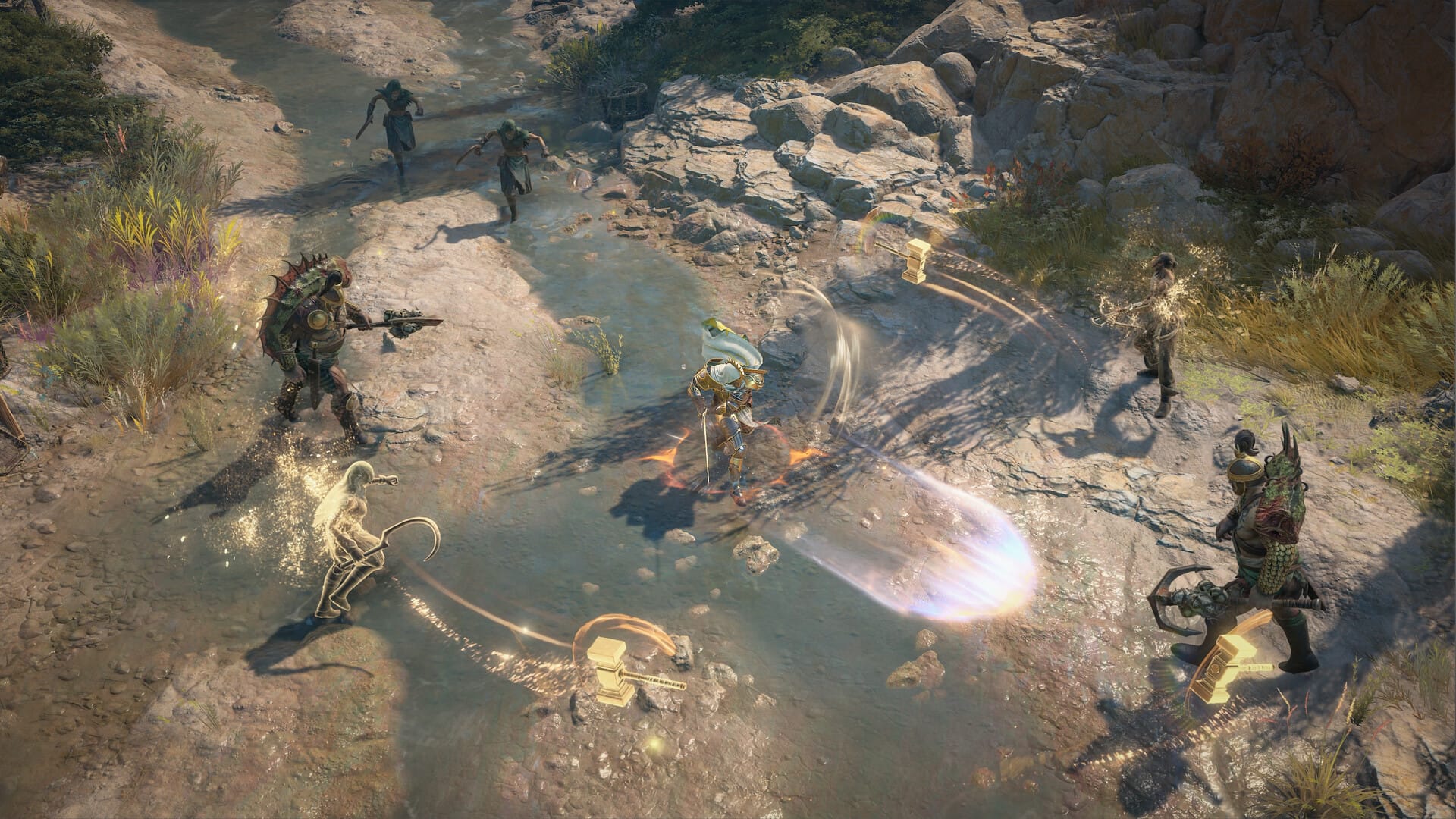
I’ve enjoyed and believed in Diablo 4 since launch, but it’s had a bit of a rough road over the last three years. The Vessel of Hatred expansion in 2024 added the great Spiritborn class, but was otherwise pretty lackluster, leaving my expectations for Lord of Hatred fairly low. Well I’m delight to report that Lord of Hatred not only cleared those expectations but exceeded them.
The expansion is kind of the culmination moment of all of the devs' hard work over the past three years. Sure, there is a new zone, a great new story, and two cool new classes, but they come alongside the best version of the endgame we’ve seen yet. And all of the new gear systems allow for a deeper pursuit than ever.
I struggle to say Diablo 4 has finally arrived, because I’ve popped in for virtually every season since launch. But it feels like Diablo 4 has finally slowed down, in a good way, and that I’ll be able to appreciate its unique systems for more than a single season before they get ripped out and remade.
--Ryan
Pragmata
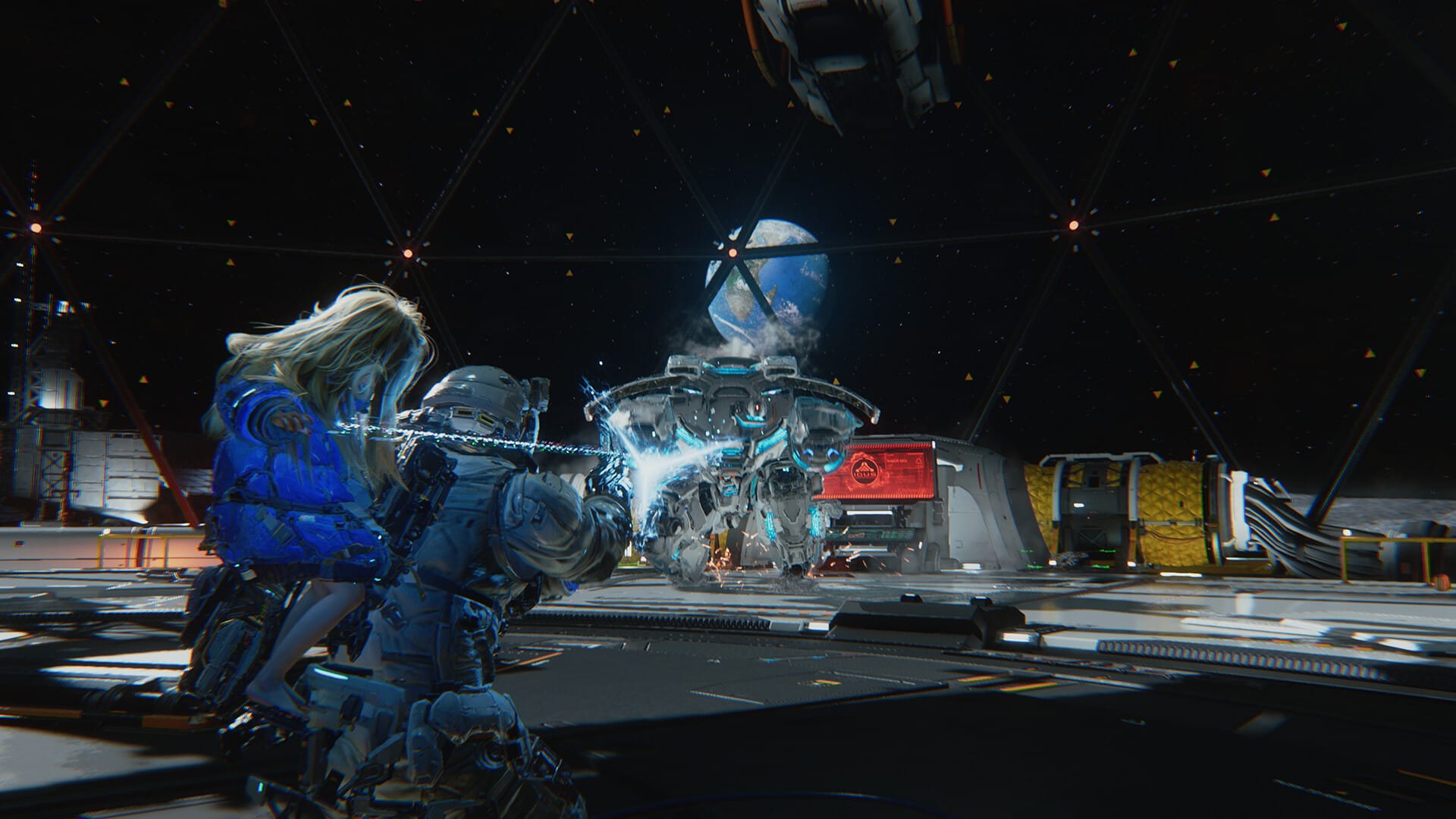
Despite looking like Dead Space with a little girl on your back, Pragmata is one of the most innovative games I’ve played all year. You might be exploring a space station and using the weapons you find to fight off horrors while you uncover the secrets of an evil corporation, but you’re also playing a strangely addictive open-ended maze puzzle game and enjoying the most hopeful and optimistic buddy adventure I’ve seen in gaming.
The tonal dissonance is really what sets Pragmata apart. The combat is tense and occasionally terrifying, with claustrophobic corridors and overwhelming opponents that are more than happy to rush into your personal space and rip you to shreds. But the puzzle aspect provides a steady and constant oasis of calm. At any point in a fight you can hold a button to bring up a hacking interface, completing a little maze puzzle to trigger effects on the enemy. It slows down time, boosts your damage, and eventually can be buffed to have devastating effects on even the most terrifying opponents. You’re constantly switching between moments of panic and complete control and it works so incredibly well.
It helps that Diana, your childlike assistant, is an absolute joy. She’s genuinely funny and written well enough to never get annoying or seem too trite. From the very start you want to protect her, but are also terrified of her potential as she seems much more powerful than you are. Pragmata balances disparate ideas so well in a way that very few other games even attempt.
--Tom
Resident Evil: Requiem
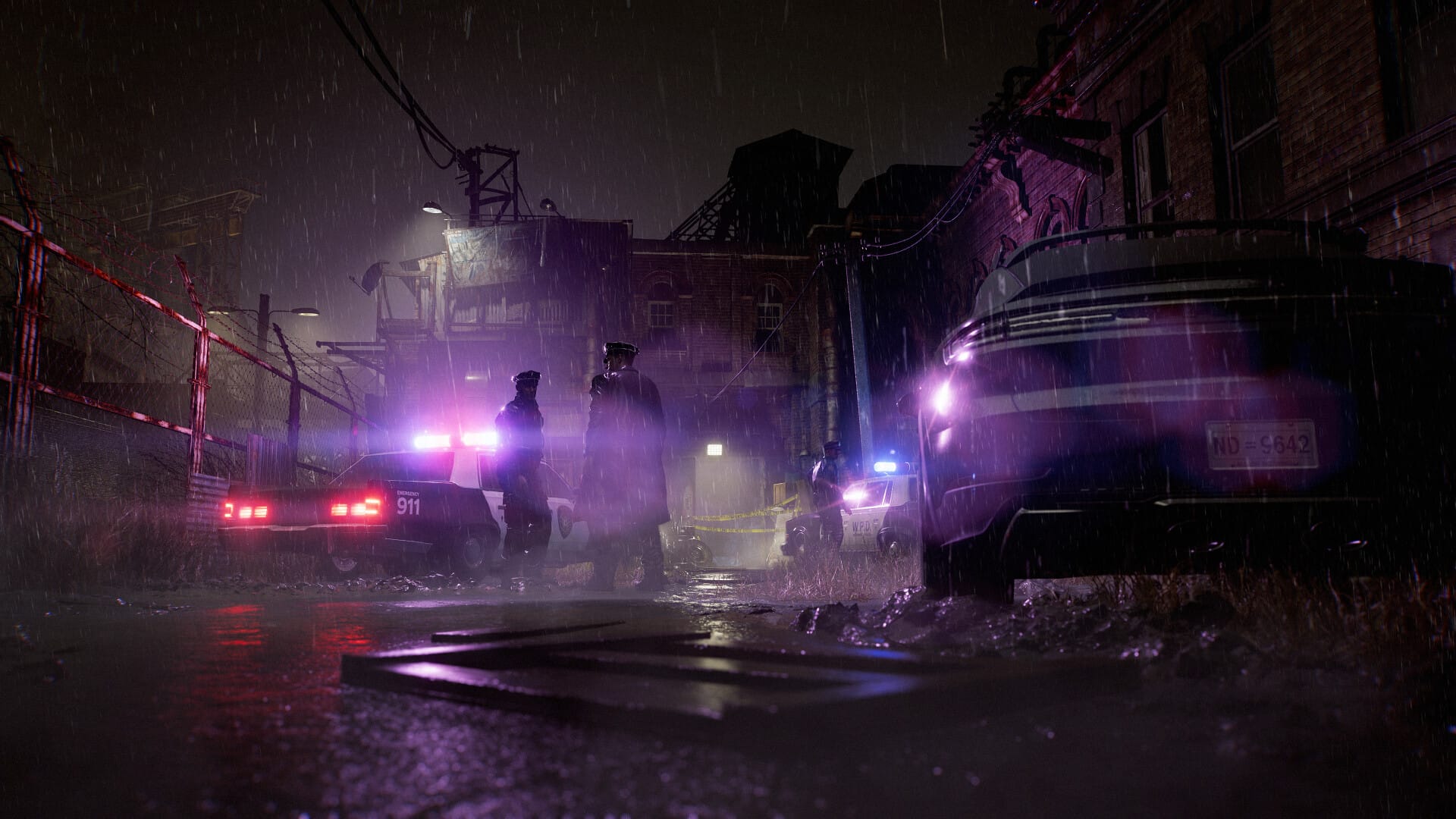
Capcom has been experimenting a lot with Resident Evil since the reset with Ethan Winters in Resident Evil 7. This has been amazing for new players, and for elder fans, the studio has also been dropping faithful remakes of their beloved classics basically every year. Resident Evil 9 splits the difference, giving you the badass zombie-killing machine in Leon, and newcomer Grace is the relatively weak and helpless protagonist that just wants to go home.
Where I was originally worried that this duality would make for two mediocre games, I was delighted by how well Capcom play them off of each other. I’ll admit to enjoying the slower, more puzzly Resident Evil games, but the Leon action sections are incredibly satisfying and fun in Requiem. They not only break up the tension, but they also last just long enough that they don’t get too boring.
It’s a marriage that it feels like Capcom has been working toward for years, and it’s really paid off with Requiem.
--Ryan
Marathon
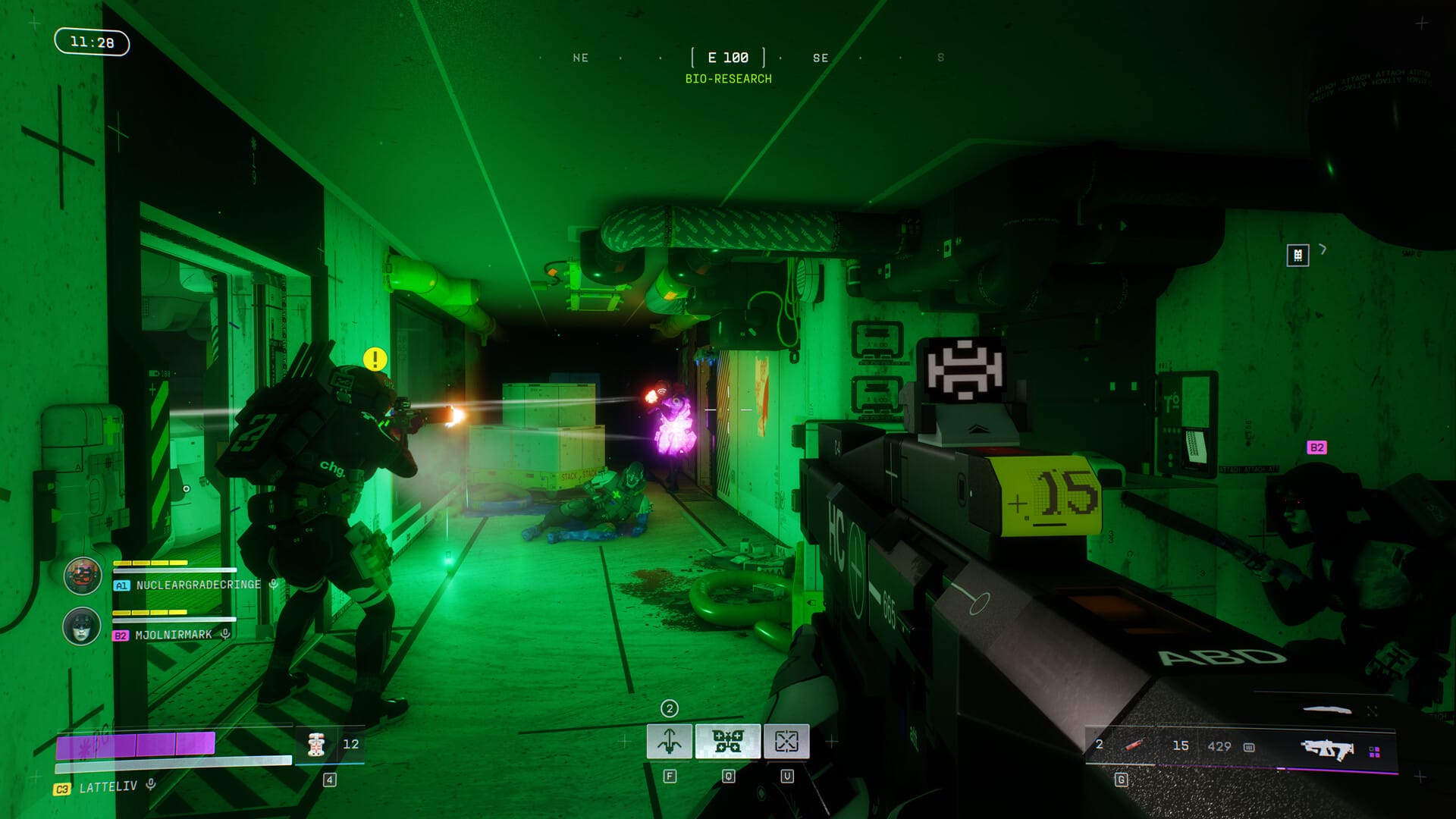
Bungie’s Marathon has had about as rough a road as a game could have. The game languished in development and had to be restarted after its director was replaced (for alleged workplace misconduct), it was maligned by Destiny fans whenever Destiny 2 was suffering, it had the art scandal, the delay, and the closing of the beloved Destiny 2 mere months after its launch. It’s a shitty hand, and not all of it self-inflicted.
And yet Marathon persists because it’s one of the best feeling shooters of the modern era. In fact, it’s the best shooter I’ve played since Destiny 2 launched in 2017. And it may be even better.
Bungie is never a studio you should feel comfortable counting out, as they’ll often find a way to surprise you. To me, Marathon was a big surprise back in 2025 when I played it for the first time. And even back then, when I first fell in love with it, I couldn’t imagine that I’d have over 400 hours in the game by the second season and a dedicated podcast with over 20 episodes already. But here I am, an evangelical convert of Marathon, which is currently my #1 with a bullet GOTY.
--Ryan
007 First Light
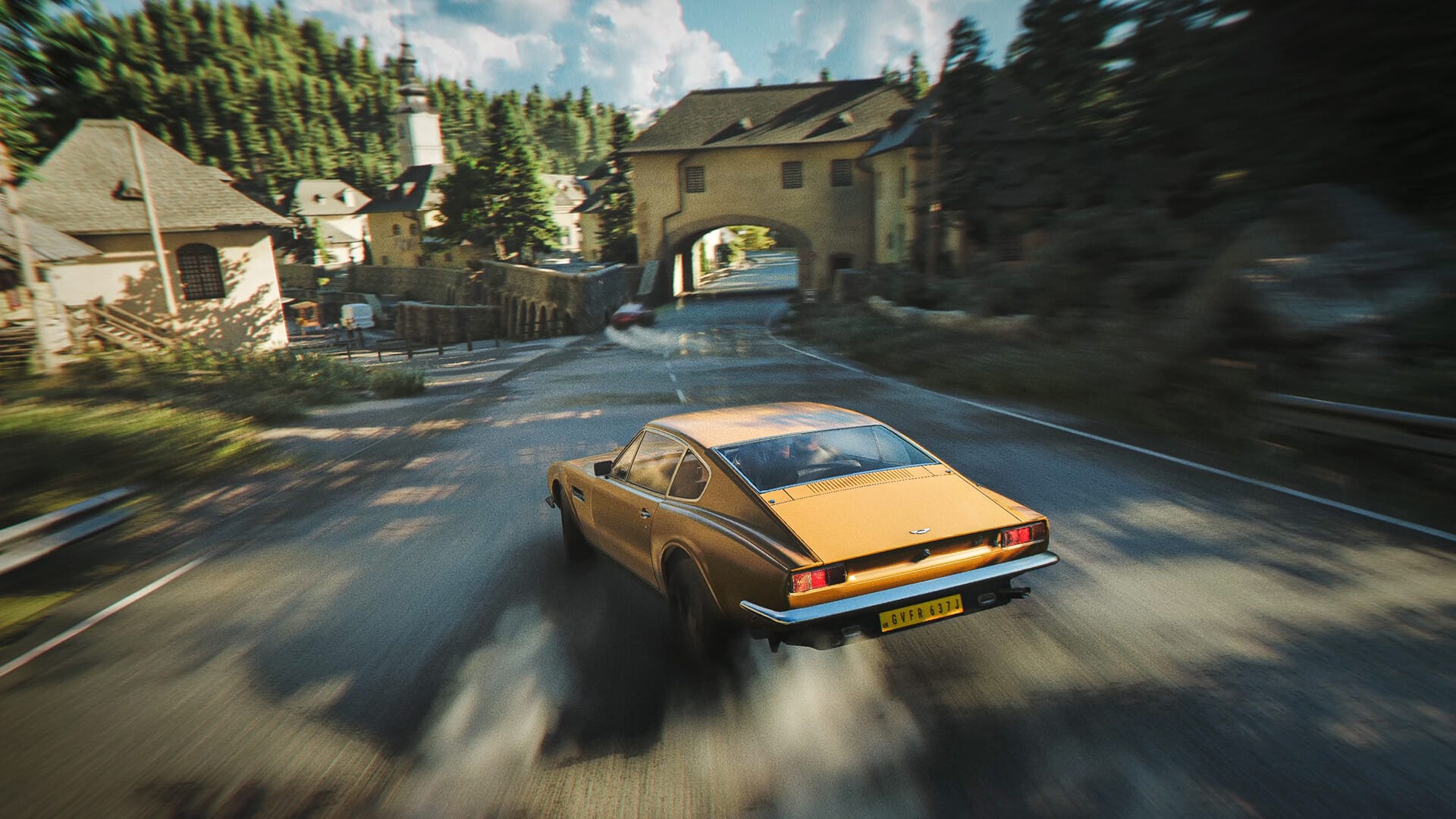
First Light seemed like a dream project from the moment it was announced – the developers behind Hitman making a James Bond game with a fresh take on the character. I’m so glad that it lived up to the promise.
From subverting your training in a Maltese training exercise to casually flirting while on an operation in a London bar, First Light builds up its own vision of Bond as a brash young agent with boundless self-confidence. Every mission brings something new to the table in visuals, gameplay, tone and character development and there’s even moments of real emotion along the way.
IOI understood their mission perfectly and, in my mind, First Light even surpasses the Hitman series in nearly every way. There might not be as much freedom and replayability, but there’s so much charm, visceral action, and exotic globetrotting that it more than makes up for it. 007 First Light is an absolute joy to play and everything I wanted from a new James Bond game.
--Tom
Sol Cesto
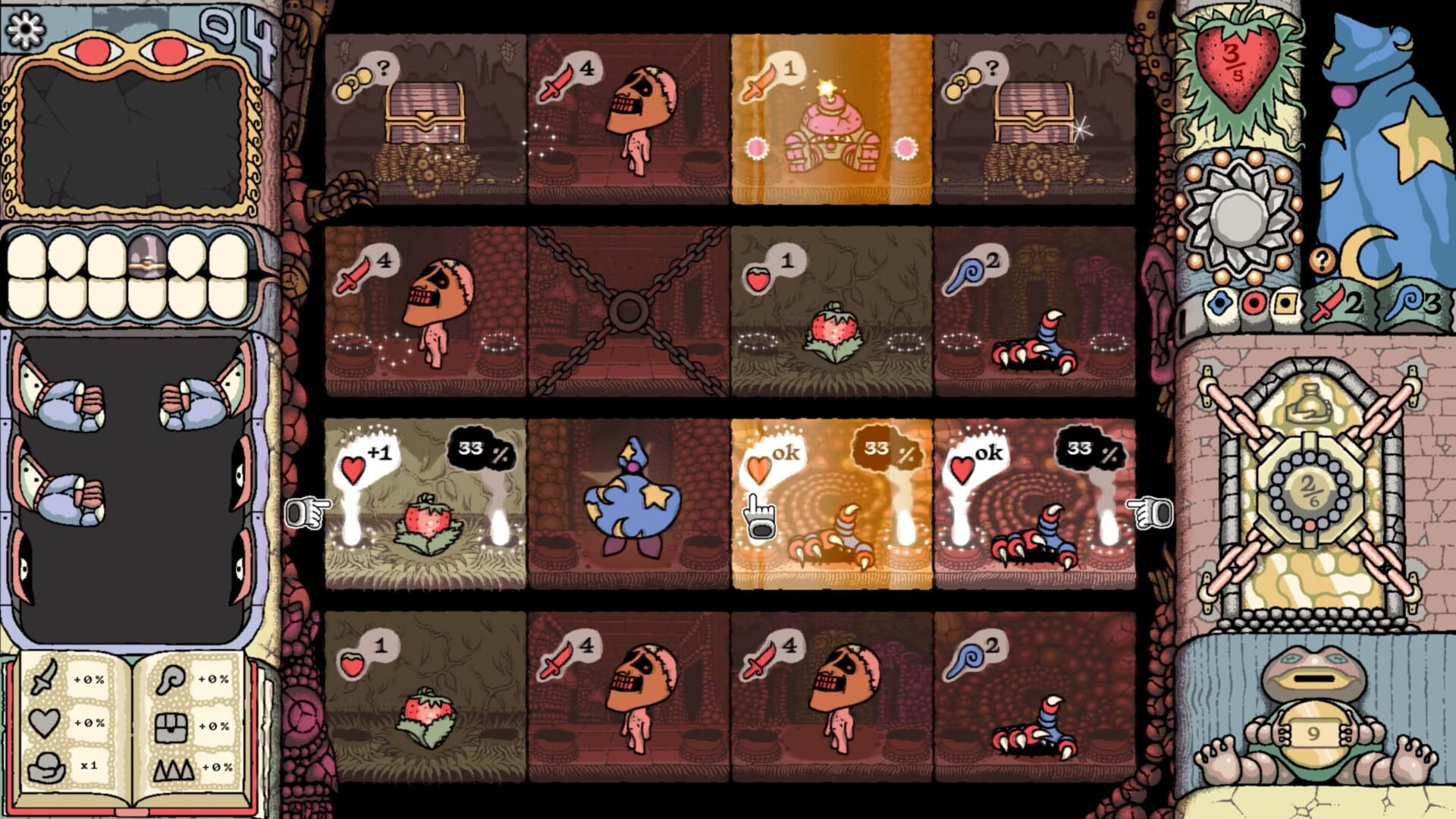
Sol Cesto is a strange and creepy game that utilizes gambling in one of the most fun and frustrating ways I’ve ever seen.
The entire game is basically a series of tic-tac-toe boards where you gamble where your character will land when you click on a row. Each space may start with a 25% chance, but you can augment that over time, putting the thumb on the scale.
The game is both difficult to navigate and filled with secrets to discover. But even better, it’s extremely charming. I lost a few hot and heavy days to Sol Cesto earlier this year, and they’re some of the best gaming days I’ve lost in quite a while.
--Ryan
Pokopia
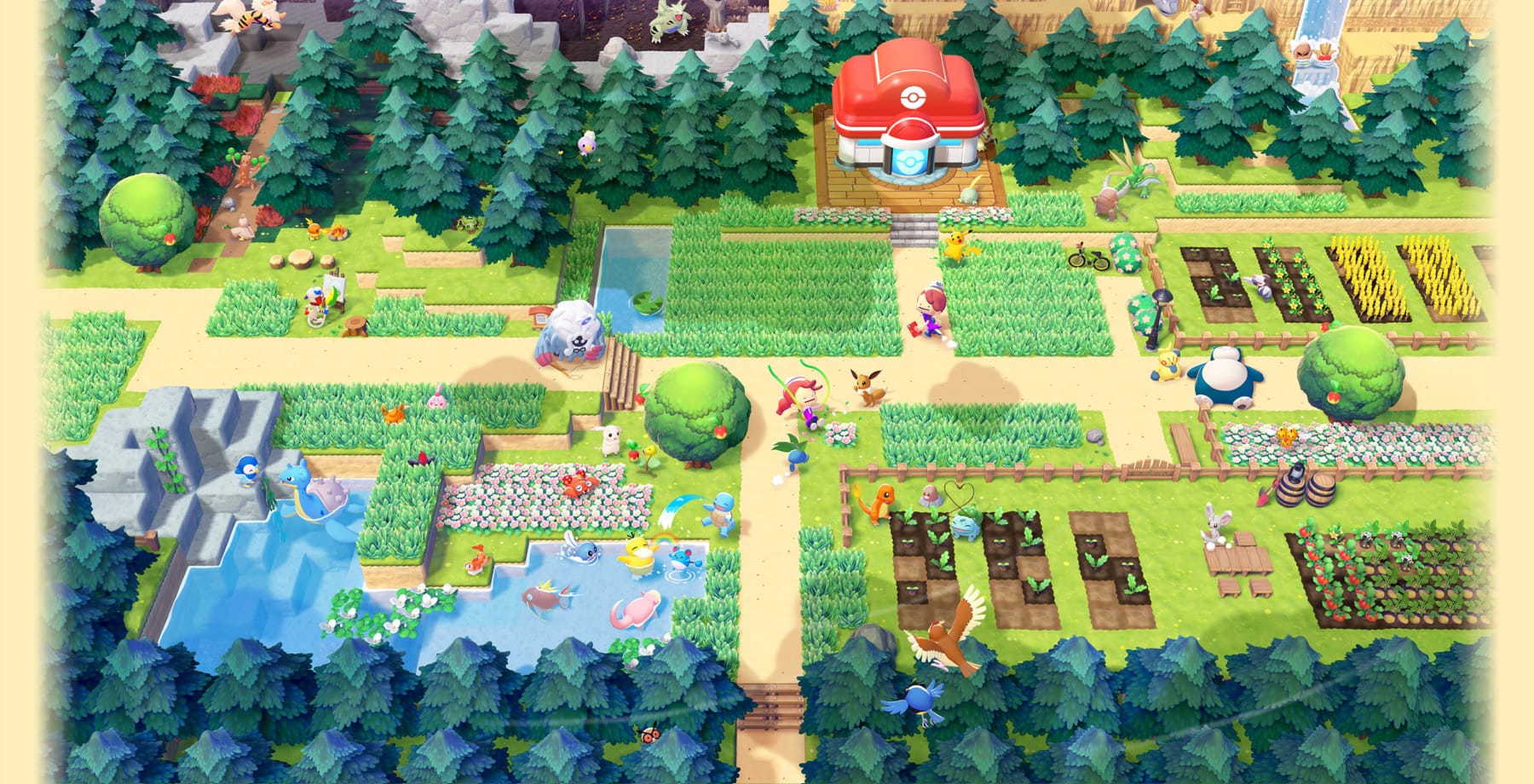
Pokopia feels a bit like a fever dream. In some ways it very much is, as you’re a walking, talking, humanoid Ditto who builds habitats for your positively particular Pokémon pals. But it also feels like the exact kind of dream game my friends and I would’ve thought up on the playground when we were 9.
There is so much going on across Pokopia’s biomes that it’s honestly hard to keep track of it all. For me and my actual therapist-diagnosed OCD, it actually is a bit much at times, as I very easily get sidetracked to fix something that’s aesthetically ugly. But for those that want to get creative in the world, it’s a genuine buffet. People have built some truly delightful things in Pokopia, and it’s a game that’s almost more fun to follow than it is to play.
--Ryan
Slay the Spire 2
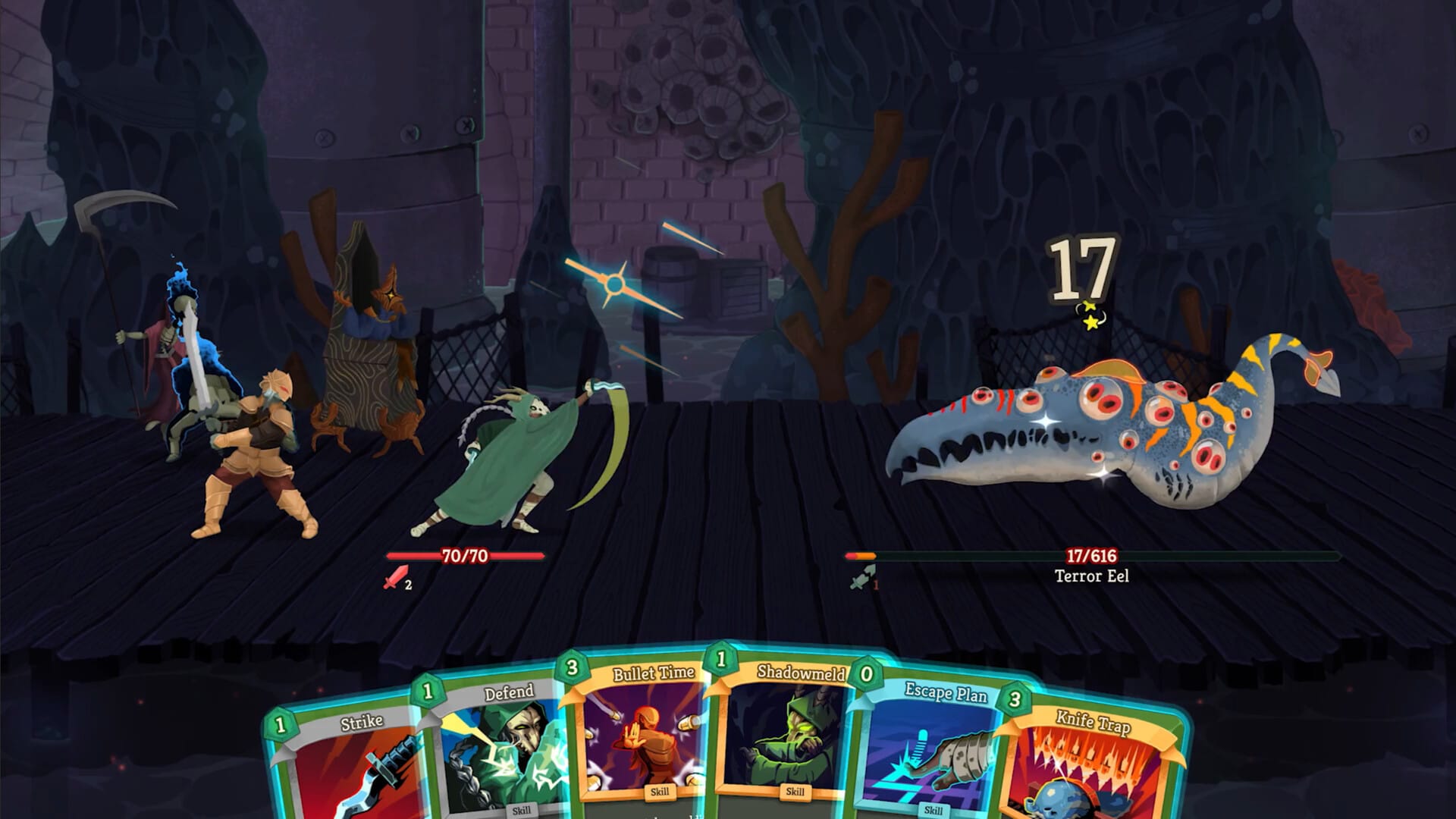
When Slay the Spire 2 was announced, I wondered how it would top what is essentially the granddaddy of the modern roguelite. And the answer to that question is that it would be Slay the Spire, but more and prettier.
This approach seems so simple, and yet it’s kind of amazing how many games tend to overthink their sequels. I’m sure hundreds of thousands of hours went into Slay the Spire 2, but it really does feel like the mission statement was “don’t re-invent the wheel,” and the game is better for it.
--Ryan
Esoteric Ebb
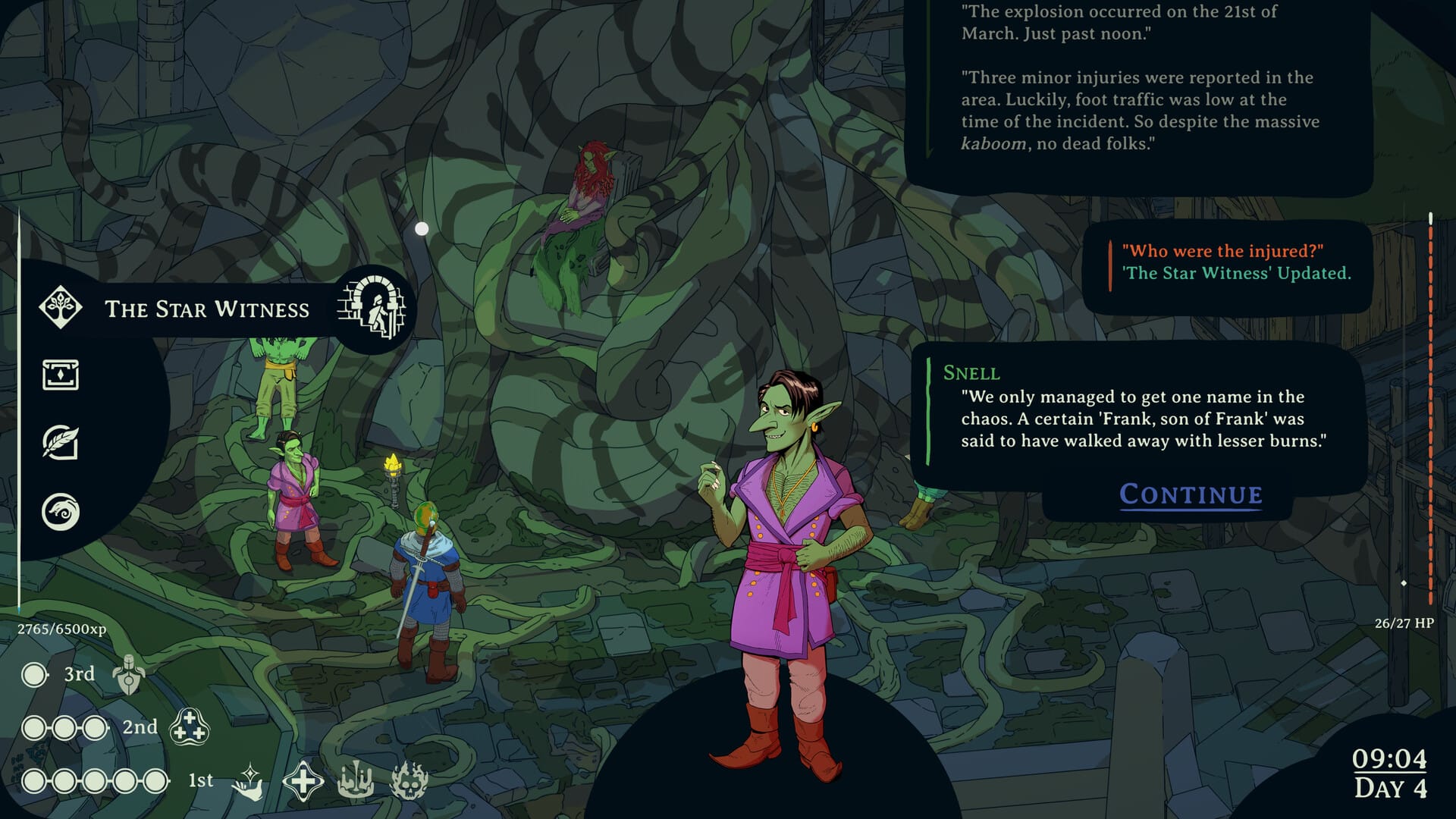
The fracturing of ZA/UM, the studio behind the hugely influential and acclaimed RPG Disco Elysium, has led to the announcement of several spiritual successors made by members of the original development team. One of these, Zero Parades: For Dead Spies, came out this year – and yet, I think the stronger Disco-like game came from Christoffer Bodegård, an indie dev who was never part of ZA/UM at all. Esoteric Ebb is D&D meets Disco Elysium, and you play as a Cleric dispatched to investigate a tea shop explosion days before the city holds the first-ever election.
Much other Disco-likes, the Cleric is influenced by a series of voices in their head. Uniquely, these voices are tied to the typical D&D stat block. My first run, I went with a high Strength build, which translated into having constant intrusive thoughts of a highly fascist nature. Needless to say, pursuing those would have opened some doors – but it also would have pissed off most citizens.
Esoteric Ebb, similar to Disco Elysium, strikes a fantastic balance between tackling legitimate political questions and philosophies while also being laugh out loud funny at unexpected moments. It’s tough to be able to shift between the serious and the silly, and it’s something that Zero Parades struggled with in my opinion. Esoteric Ebb, on the other hand, has more room to play with the fantastical and the surreal in its fantasy setting. There are a whole gaggle of Disco-likes in production, but Esoteric Ebb gives you a goblin sidekick, and isn’t that wonderful?
--Cass
Reanimal
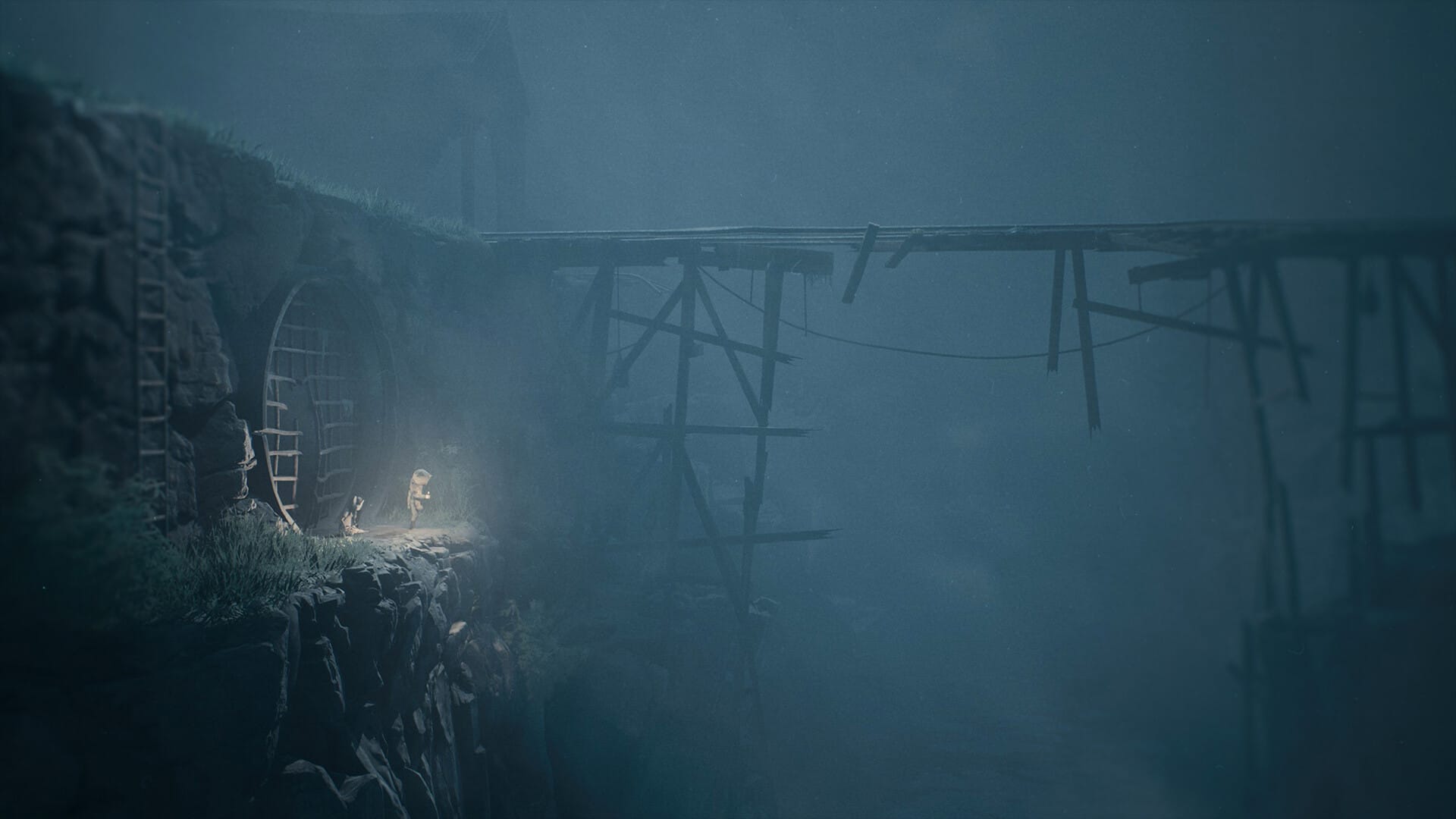
Tarsier Studios made a name for themselves by creating Little Nightmares and the game’s first sequel. These are horror games shown through the perspective of children, taking scenes and exaggerating certain aspects to the point of surreality. Reanimal has some things in common with Little Nightmares; they both have child protagonists, they both traffic in exaggerated imagery and giant, grasping figures, they’re both legitimately frightening. But Reanimal pushes everything further, twisting animals to be grotesquely antagonistic with horrific features.
Reanimal tells the story of a brother and sister who have watched their home island be flooded, and the waters have revealed disfigured, hostile creatures. The siblings must sneak, puzzle, and outsmart their way through their flooded home in order to save their friends. It’s a story that’s held together by imagery and hints. Much like Skinkamarink, the 2022 horror film from the perspective of two young children, Reanimal works better by including less explanation and exposition. Instead of trying to puzzle out some high-level conspiracy, your attention is fully focused on each set piece and newly emerged monster.
--Cass
Perfect Tides: Station to Station
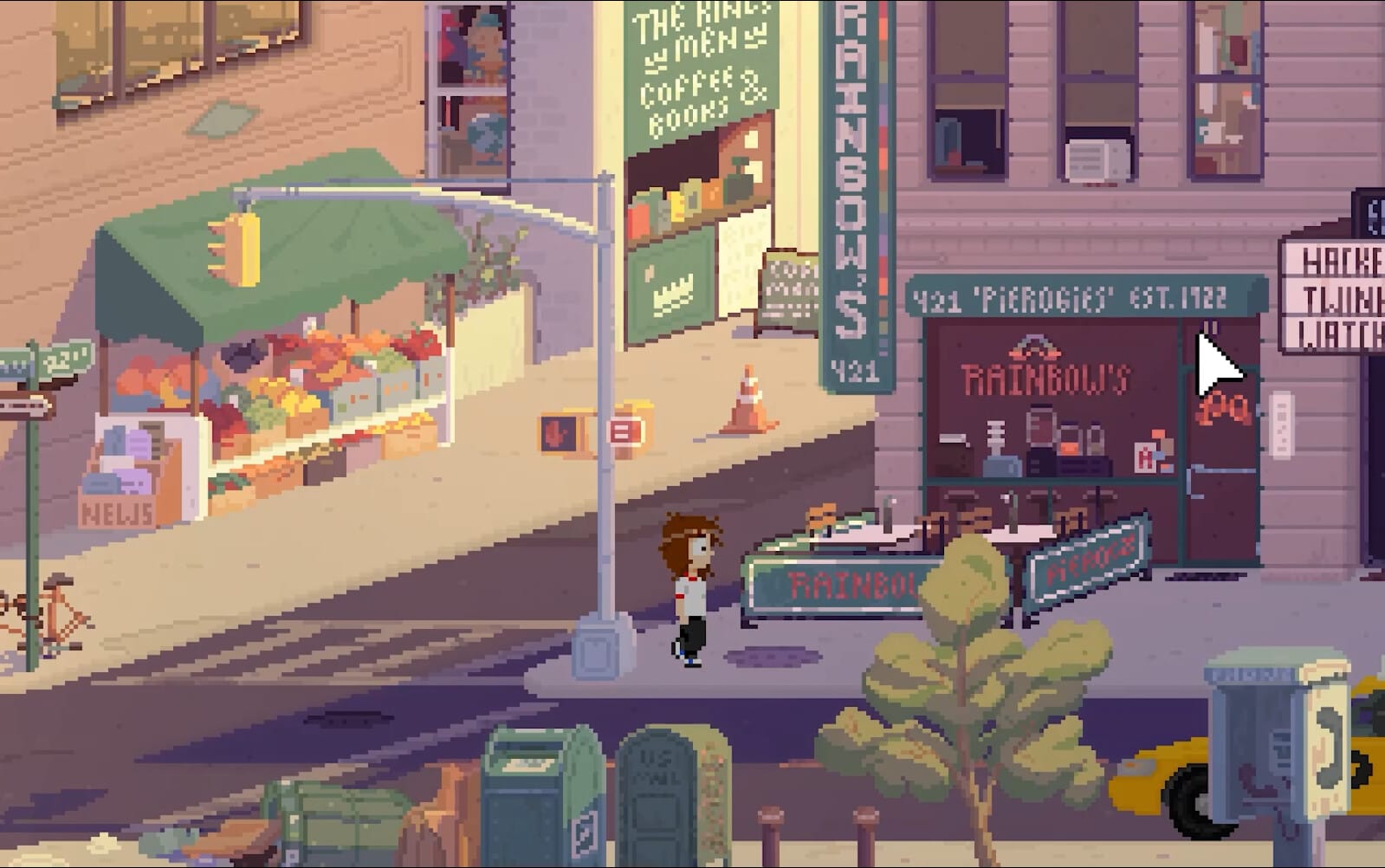
I grew up reading Octopus Pie, a slice of life webcomic about two roommates in Brooklyn by Meredith Gran. It takes talent to explore characters in mundane circumstances, and make their misadventures memorable. After the conclusion of Octopus Pie, Gran moved on to games. Perfect Tides, released in 2022, is about the struggle of being a teen girl in the year 2000. Mara lives on a small island, and is trying to balance her dreams of being a writer with the burden of being extremely online.
The sequel, Perfect Tides: Station to Station, follows Mara as she enters adulthood and moves to the big city. Station to Station is a more expansive game, as Mara leaves the last of childhood behind. While it’s a sequel, you can jump right into this game without playing the first Perfect Tides. Mara’s starting a new stage of life. She’s still fairly online, but she’s going to college, she has a new group of friends, and things are looking up. Of course, new friendships and endeavors come with their own risks and challenges, and Mara goes through some significant stumbles in her early adult life. The point and click adventure format works really well for Gran’s writing, allowing the player to slowly develop relationships and feel an earned sense of progression from the protagonist. It is, much like Gran’s previous work, relatable and painful and charming all in one bundle.
--Cass
Titanium Court
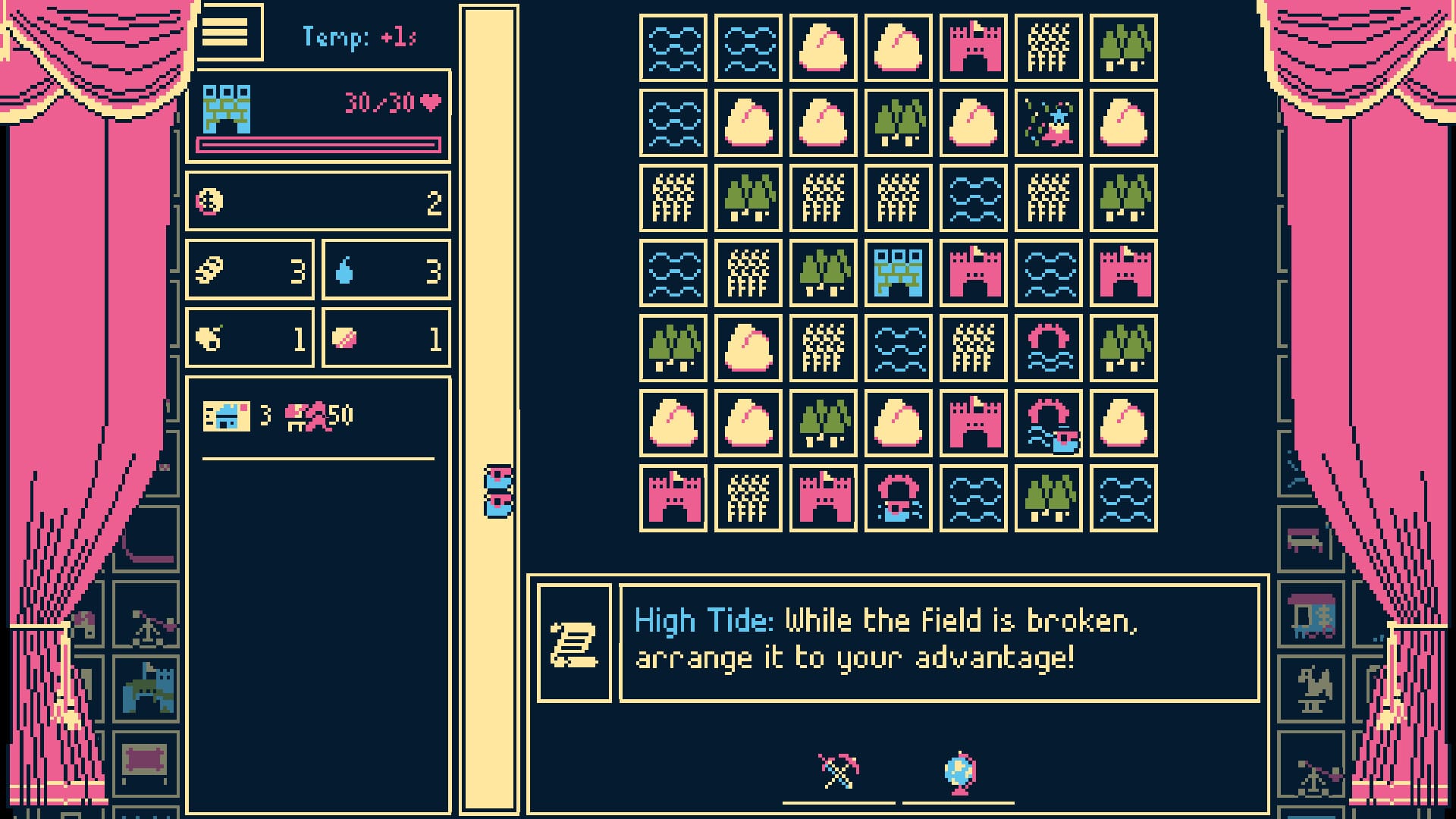
I have to admit, I was a little irked at first with Titanium Court, because none of the dialogue of this game is phoned in. Everything is just a little bit quirky; it’s a little bit like hanging out with a high-energy theatre kid who doesn’t know how to turn it off. To be fair, that’s very appropriate to the setting – the game is based on the premise that you have been named the unwilling monarch to a fae court, ensnared in an endless war of uncertain circumstances. It’s a match-3 roguelike, with each run earning you a little bit more ridiculous dialogue from a silly cast of characters.
As a very tired adult with a low tolerance for whimsy, I found myself low level annoyed with some of Titanium Court’s scenarios, but I stuck it out for the inventive match-3 mechanics, the sense of progression across multiple runs, and yeah, the occasional joke that would hit. But it’s Titanium Court’s end game where things get really interesting. I can’t go into it, because of spoilers, but it’s a clever twist that pays off all the zany set up and packs an emotional punch. It’s tough to endorse a game without actually talking about what makes it great, but trust me – Titanium Court takes a big swing, and if you have a little patience, it pays off.
--Cass
Cairn
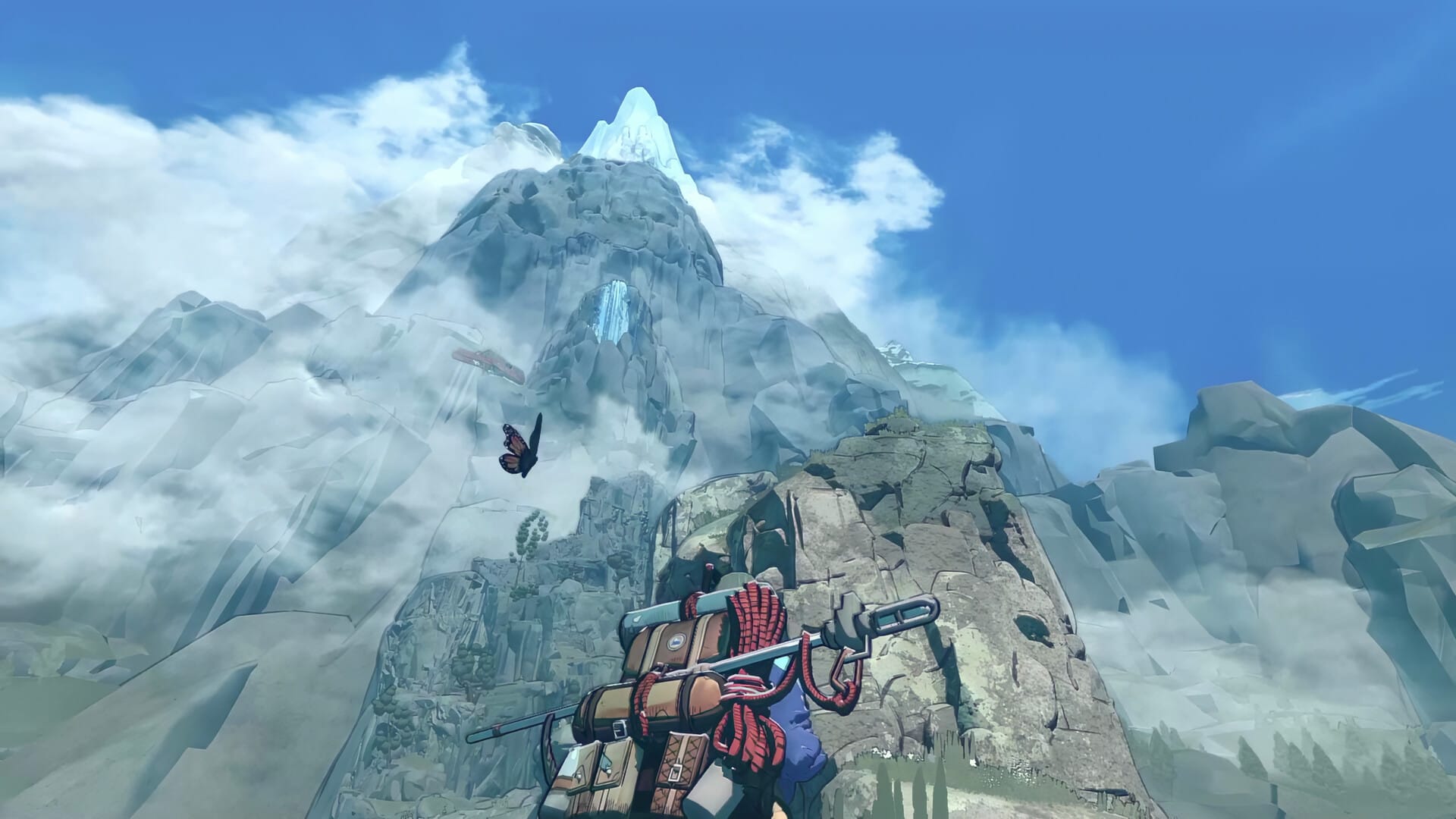
There are plenty of games that focus on climbing – White Knuckle, Peak, Only Up! – but Cairn is a game that focuses on what drives someone to climb. You control Aava, a professional climber who could not care less about sponsorships or professional obligations. She climbs in order to sate some primal, inner need that she can hardly articulate, and Cairn is the story of her trying to be the first to make it to the top of the hostile Mount Kami.
You’re not just watching Aava climb; you’re controlling each of her limbs as she climbs and ascends. When she tires, her legs tremble with the effort and her breath comes more quickly. You learn to read the cliffs of Kami, scouting out paths that Aava will be able to scale. Sometimes, it’s a peaceful and meditative experience. Other times, rain is crashing down, the wind threatens to knock Aava off her precarious handholds, and it’s a stressful experience.
Cairn is one of those games that never wanders too far from its central mechanic, and doesn’t overstay its welcome. There were times where I struggled or got frustrated, but that was always soothed by the pleasure of figuring out a successful route. Cairn is proof that one strong mechanic, tied into a compelling narrative, is enough to carry a game to greatness.
--Cass