The developers of The King is Watching talk art, updates, and patience
When does your art style help? And when is it just too much?

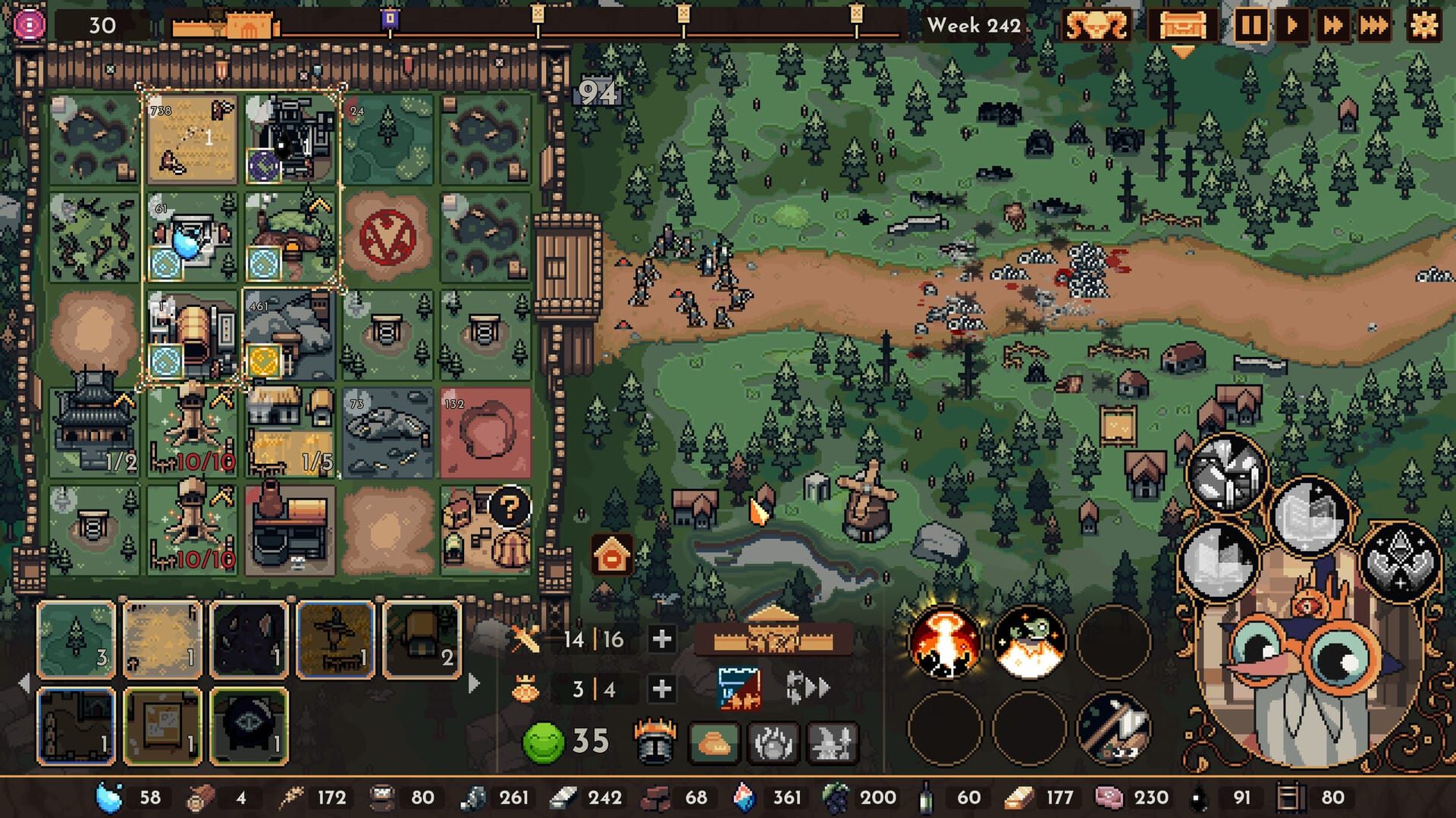
The King is Watching is one of the more unique (and striking-looking) auto-battler games on the market. The game originally launched last year on Steam and has since received a DLC and, most recently, a console launch.
As developer Hynohead, prepared to meet an entirely new player base on console, studio head Semyon Itmanyuk took some time to answer some development questions we had over email.
Below is the complete transcript between myself and Itmanyuk, whose answers we got back from The King is Watching's publisher's PR wing.
Rogue: When trying to exist in this indie space, where success can be so difficult, how do you feel like art style contributes to the overall package of success? Your style is so striking, and it’s the first thing I remember noticing about your game on Steam.
Itmanyuk: I think it is important to create an original style, but it should not lean too far into arthouse territory and should still appeal to a broader audience. Otherwise, there is a strong chance that potential players may overlook the game because its visual style, while original, simply does not appeal to them. So balance is the most important thing here.
Rogue: Auto-battler games and games like yours in that kind of adjacent genre have been picking up steam for a few years now. What was the team’s biggest inspiration in the space? And what is it about the genre that you think appeals to folks?
Itmanyuk: It was a mixture of many different games with similar ideas—or perhaps our entire lives. Looking back, various references always come to mind, but I realize there were simply too many of them. During the game jam, we were probably guided more by our feelings and our sense of what we wanted the game to be than by any specific references.
Rogue: Speaking more specifically to The King is Watching, the choice to only allow subjects under your gaze to be working — preventing the kind of perfect machine and forcing active participation from the player — is one of the more unique things you guys have going for you in the space. Can you talk a bit about how that system evolved over time and what your goals were in creating that intentional limitation for players?
Itmanyuk: There is an enormous number of game mechanics, and the job of game developers is to shape them into the right form—one that players enjoy. This means that there are still many possible mechanical synergies, or, on the contrary, restrictions, that we have yet to discover. So, to answer the question, we gradually developed a better sense of what players like and dislike. Whenever we felt that we needed more information, we let people play the game and gathered the feedback we needed.
Rogue: Small DLCs and free updates keep indie games like yours alive long past those big moments like a console or pc launch. Can you talk a bit about what you learned about the game post-launch and how that impacted the game’s updates? How different do you feel like the game console players will receive day 1 is vs pc fans last year?
Itmanyuk: The new additions introduce more content and slightly adjust the balance, but overall, the game has become a little deeper and broader. This means that players now have slightly more things to do and can spend more time exploring them. We have also changed the tutorial and the meta-progression so that players can become familiar with the game more smoothly and confidently, and gradually improve at it.
Rogue: I always ask this question of folks who we do interviews with, but: what is something you wish more players knew and understood about game development and its challenges?
Itmanyuk: I would like players to have a little more patience. Apart from that, a huge thank you to all of them! They are the best!