


The Rogueies: Best Horror Game nominees
Our picks for Best Horror Game of 2025

Horror is a broad genre — you've got body horror, cosmic and existential horror, monsters and monstrous creatures, general spookiness, and just good old blood'n'guts. Horror stories don’t even have to be actively scary to be horror — sometimes, the best horror stories are the ones that are just passively creepy and tense. Horror stories and games are a way to explore all the things that frighten and threaten us.
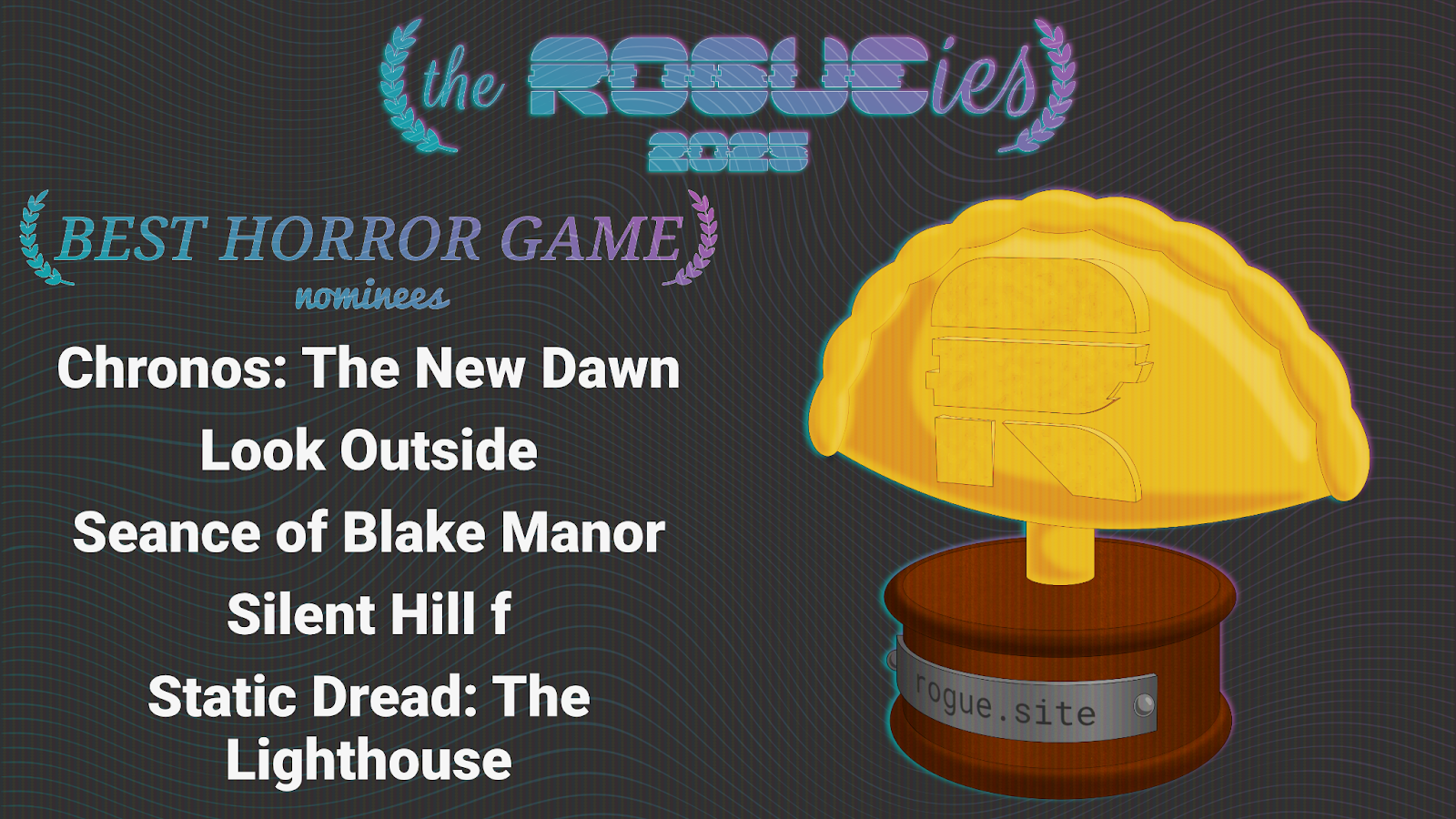
Let's talk about why each of these games got nominated for Rogue's Best Horror Game of 2025:
Chronos: The New Dawn
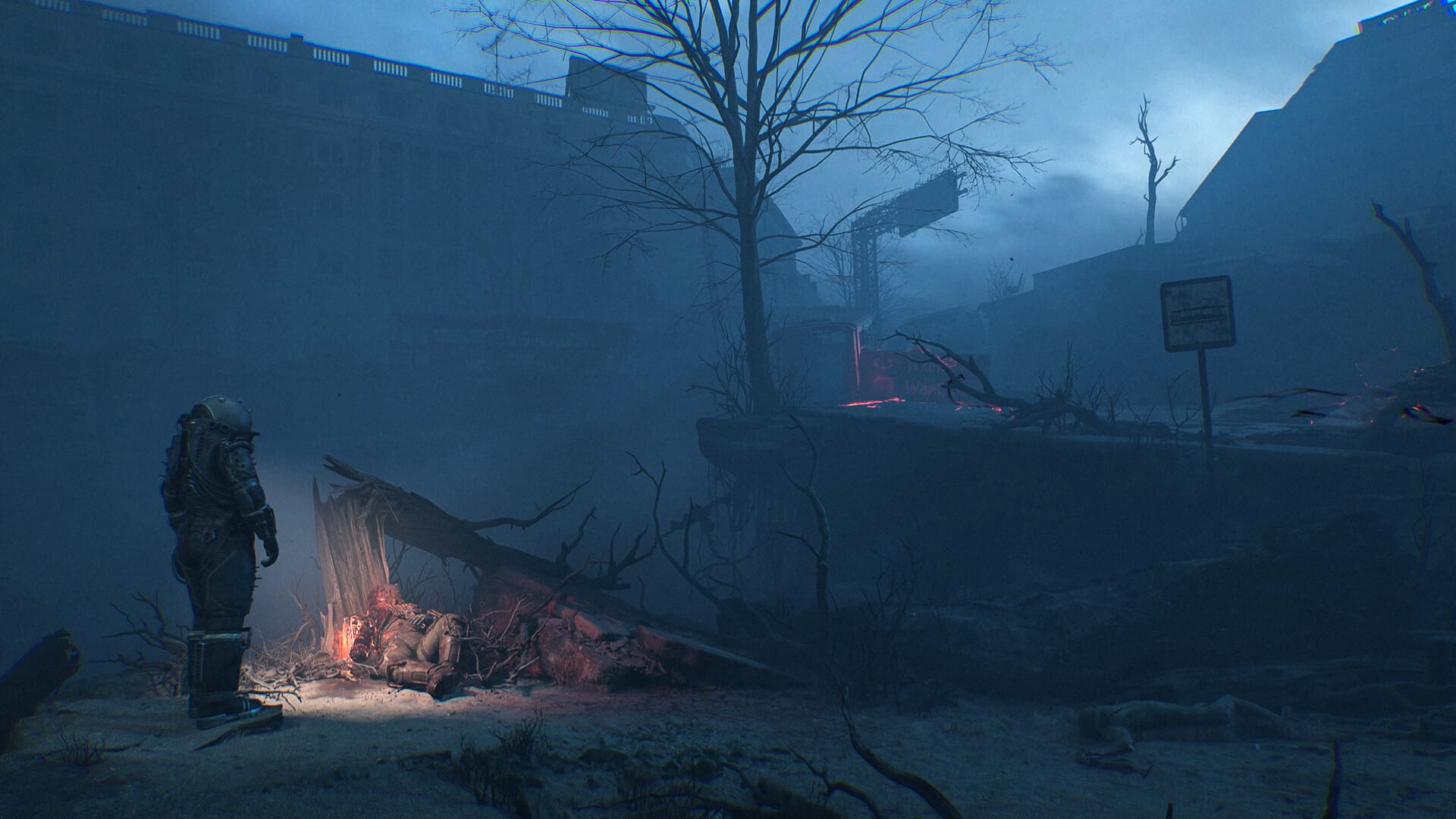
Chronos: The New Dawn is a completely new IP from Bloober, the studio that most notably remade the beloved Silent Hill 2 last year.
Unlike Silent Hill which is more puzzly and vibe based, Chronos follows more in the footsteps of Resident Evil and, most obviously, Dead Space. But instead of being a sick-ass Engineer-man on a cool-ass planet cracker space ship, you’re a time traveling-ass lady in Extremely Poland.
Chronos never quite reaches the highs of most of the best Resident Evils or the original Dead Space, but it doesn’t really need to. The third-person action survival horror game isn’t one we see a lot of new blood in. Resident Evil has been the only game in town for a while, and the incredible new era of games default to a more immersive first person experience. Dead Space is all but dead at this point, and Silent Hill was MIA for years.
Chronos is a new take on that genre from a relatively seasoned studio that brings a lot of fresh ideas. And unlike the other recent attempt to fit into that space from a non-AAA team, 2022’s Callisto Protocol, Chronos works hard to prove why people love these types of games so much.
It’s a great, fully original showing from Bloober, and it gives me a lot of confidence that their spin on Silent Hill 2 benefited from more than just the strong source material.
— RG
Look Outside
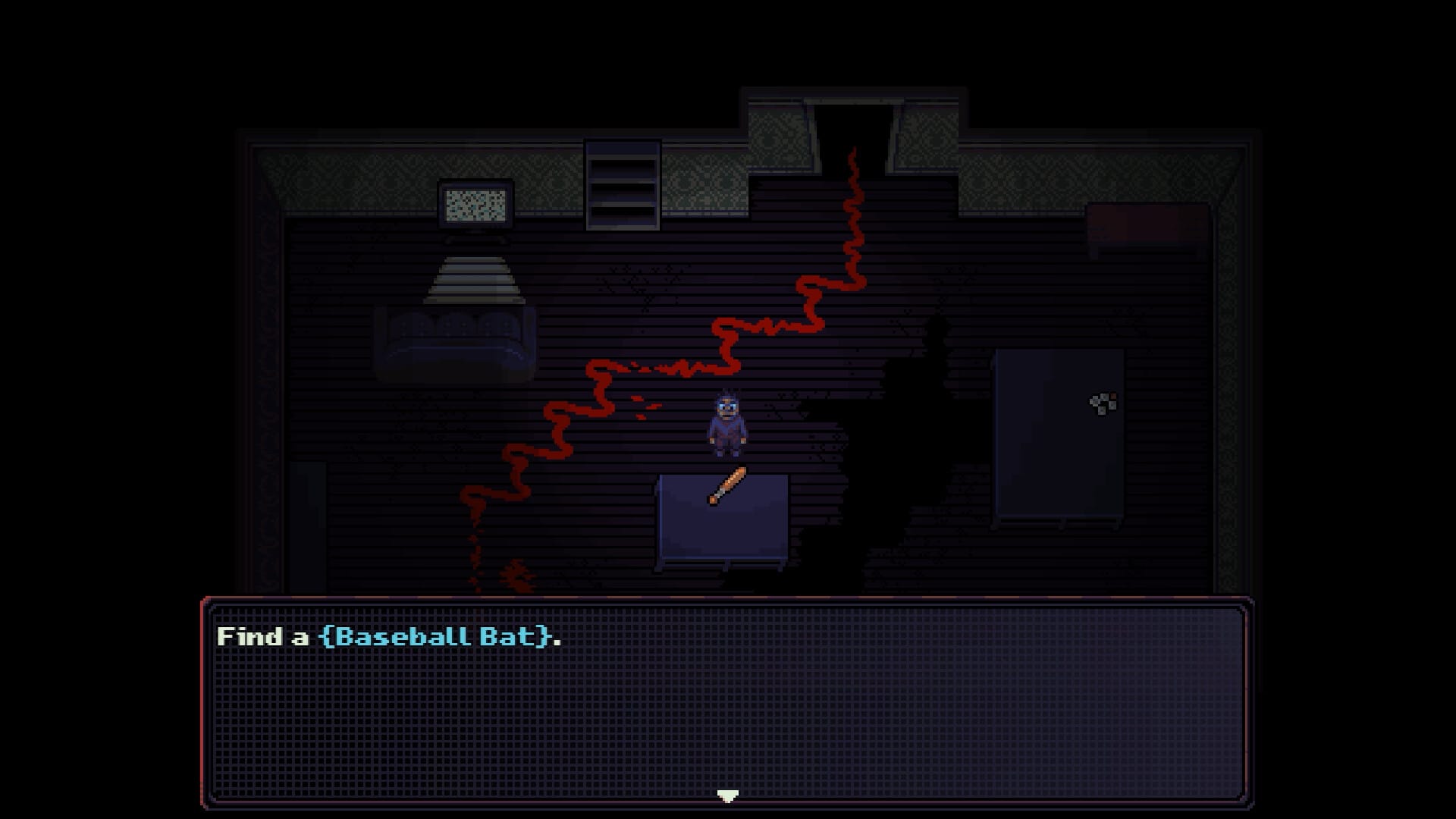
It can be tough to inspire feelings of body horror in a game, when the audience is safe and secure behind the screen. Look Outside passes that challenge with flying colors, offering up half a dozen fates worse than death that haunt my dreams months after playing the game. The game stars Sam, an unemployed apartment dweller who finds themselves in a situation when a cosmic visitor arrives to gaze upon Earth. Looking outside, even through a reflection or painting, is enough to mutate the viewer into something very… wrong.
Look Outside developer Francis Coulombe uses this premise to showcase some of the most terrifying designs I’ve seen in horror, and part of the magic is that the game is able to establish characters that inspire affection, sympathy, pity, and hope. A nine year old boy’s face is collapsing into a mess of teeth and gums, but you can take him in and let him play games at your pad. Sam can sacrifice his arm to save a little mutant rat baby, who is grateful to be nurtured. Even the most mutated and distorted figures can be helpful and kind.
Just be careful not to trust everyone you run across, as the building is still crawling with deeply malicious or mindless beasts. A woman croons down a pipe, begging for you to play matchmaker as she’s so alone. A car roams the parking garage, looking for humans to ferry to hell. This game is jam packed with nightmare fuel, and no concept is too weird for the creator to explore.
— CM
The Seance of Blake Manor
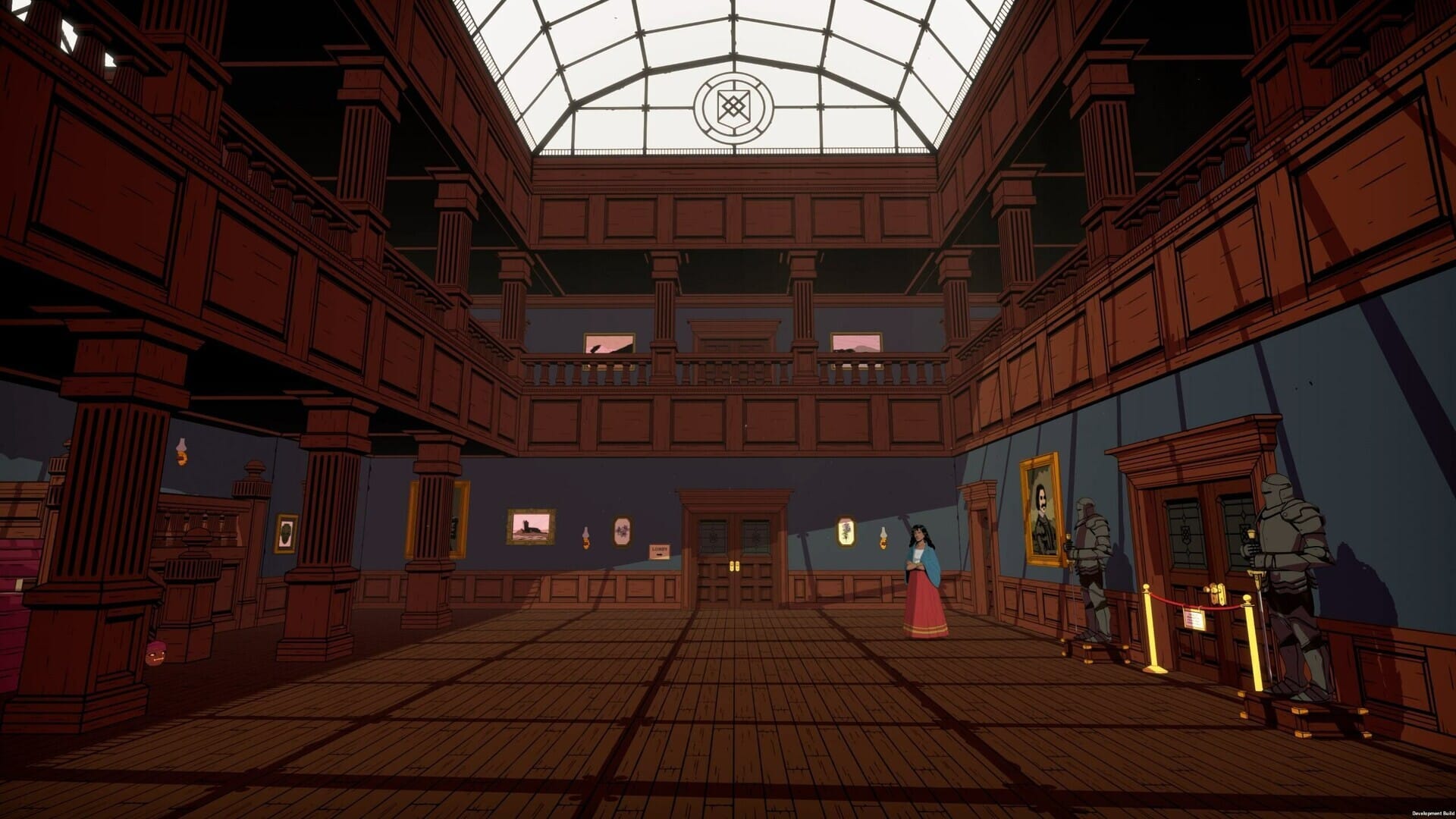
The Seance of Blake Manor is a fantastic horror and mystery title woven with many of the same threads found in Lucas Pope’s excellent Return of the Obra Dinn from 2018. A massive puzzle that relies on your powers of deduction, and the near constant sense of unease that comes from exploring a space on your own. While The Seance of Blake Manor is in fact full of suspicious, complex, and well-acted characters, your clandestine investigations of this Irish Estate are fraught with tension as you attempt to unravel the intentions of its various guests.
Largely a narrative experience, the puzzles and other mechanics aren’t enough to disrupt the overall pacing, but the limited amount of time you have for your investigation means you likely won’t experience everything the game has to offer on a single playthrough.
This title isn’t necessarily full of jump scares, body horror, or the other expected trappings of the horror genre, but constant tension can be a horror all its own, and the environment created by The Seance of Blake Manor is still unsettling enough to make you wish that you’d left the lights on.
-AJ
Silent Hill f
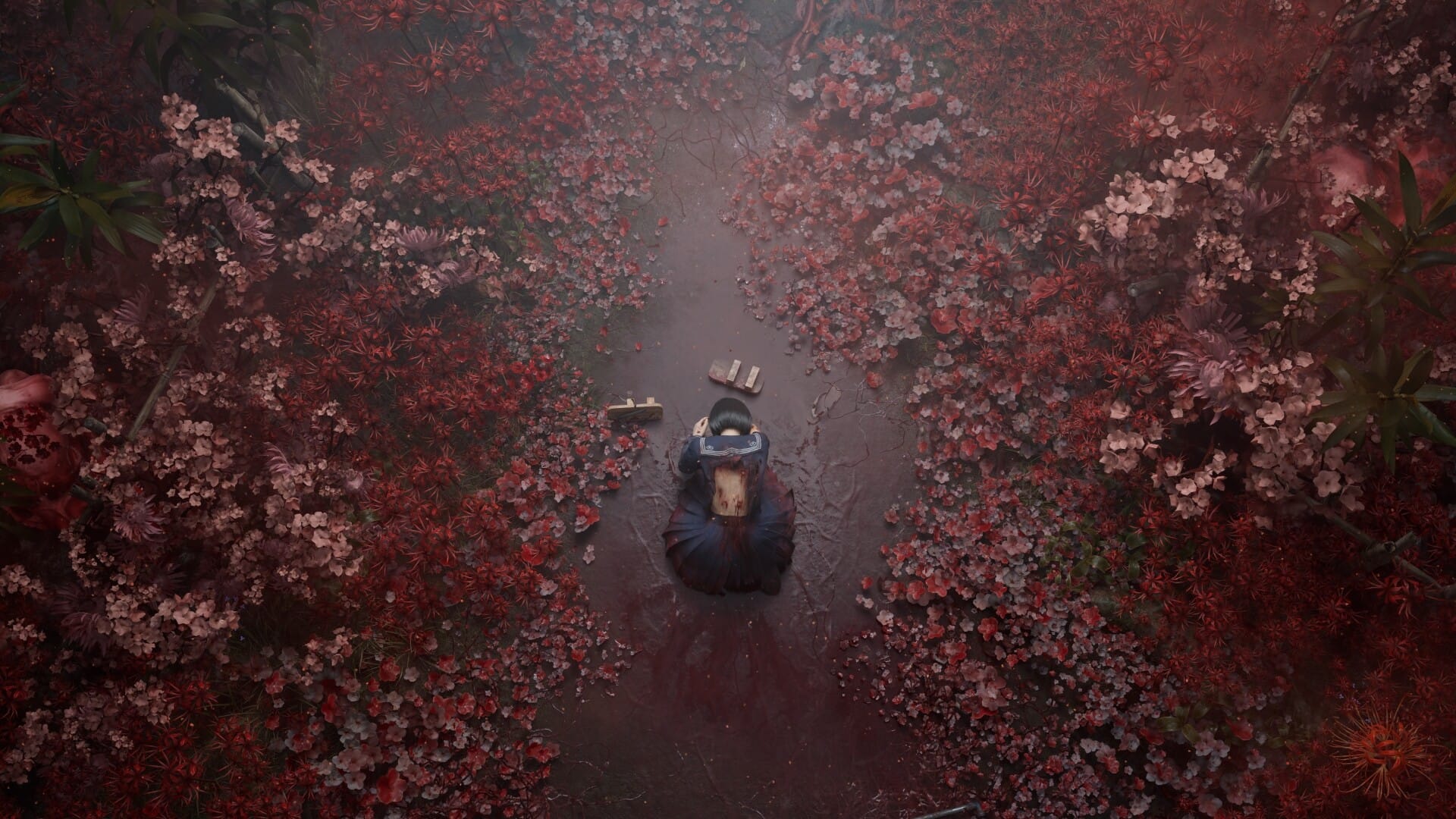
Only a few years ago, Silent Hill was a tragic franchise; a once iconic series of horror games left to falter in obscurity and pachinko machines. Konami has, against all odds, returned to revitalize Silent Hill with Bloober Team’s Silent Hill 2 remake, and Silent Hill f. (We don’t talk about the bizarre Silent Hill: Ascension webseries.) Both games were shockingly good and retained the dreadful, melancholic atmosphere of the originals, but Silent Hill f gets real experimental with things.
The player steps into the shoes of Hinako Shimizu, a high school student in 1960’s Japan. She lives in the tight-knit town of Ebisugaoka, where the inhabitants still worship old gods with dark intentions. Hinako is a rebel at odds with her parents, and struggling to fit in with her group of friends as they all grow older. Then the fog rolls in, and everything changes. While the combat is controversial, and I’d recommend most people to just play the game on Story Mode, the story of this game is tremendously powerful, yet concealed under layers of metaphor and madness. This game fits in with the Silent Hill classics, all without stepping foot near Silent Hill itself – an impressive feat.
— CM
Static Dread: The Lighthouse
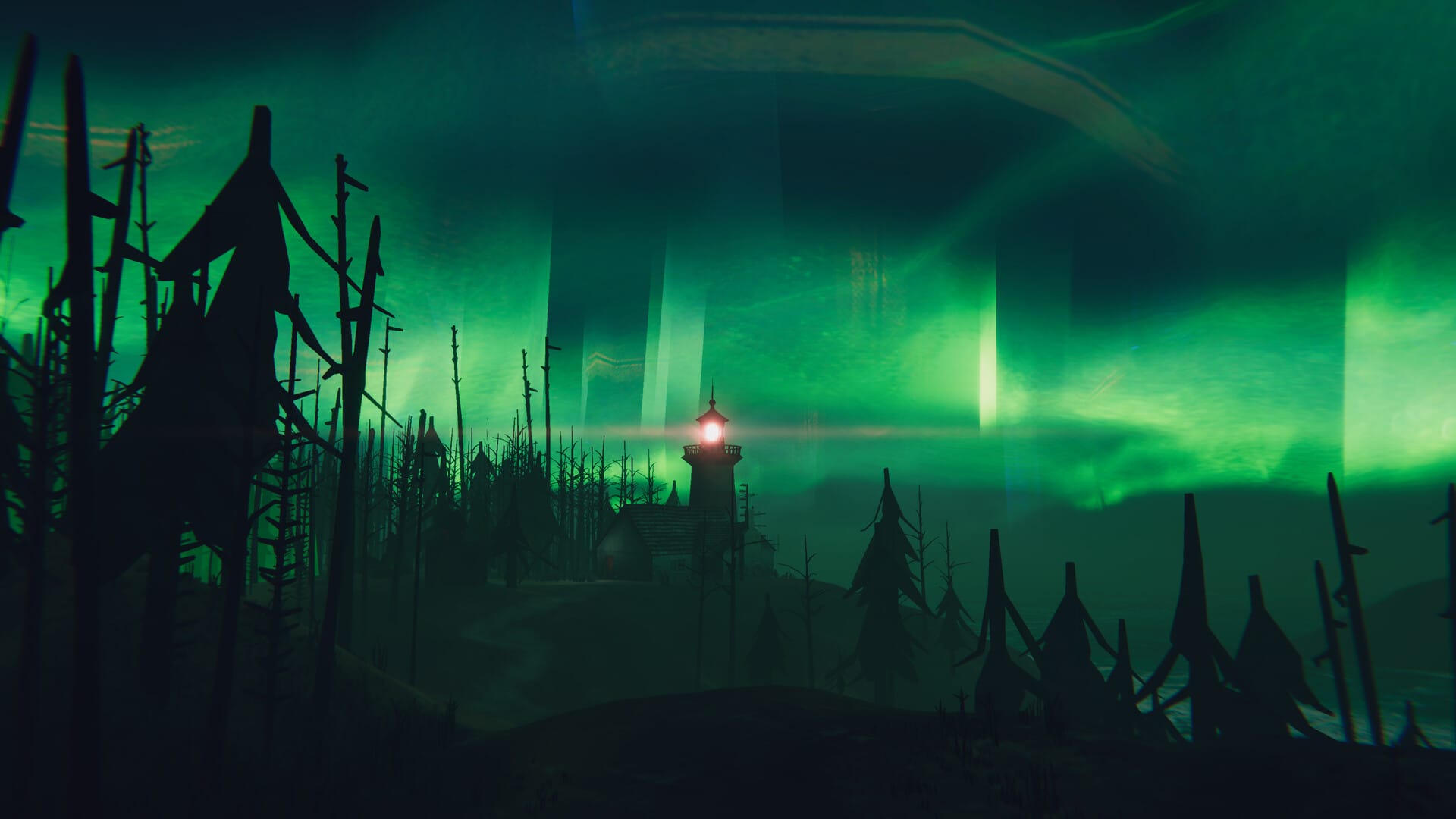
Cosmic horror is existential and kind of definitionally inconceivable. It’s (sometimes literal) Big Things happening to the world around you that upsets your understanding of how the world works. And that’s why cosmic horror works best when it’s told through a personal lens. That focus on the human impact helps narrow the too-broad-to-hold-in-your-head horrors into real, personal experiences.
Being a lighthouse keeper is a lonely job. Being a lighthouse keeper in a cosmic horror-level mini-apocalypse is even lonelier. The cult next door doesn’t help. The preternatural, dead-eyed kid that keeps showing up in the middle of the night doesn’t help either. And don’t get me started on the tentacles that keep popping out of the floor.
Static Dread: The Lighthouse takes all of these things — from the cosmic-level horror to the loneliness — and creates a really effective (and affective) little management sim. It’s a game that builds in a way that always feels right on the verge of overwhelming and insanity, and that’s what makes it such a good exploration of the experience of cosmic horror.
— JP