


This was never going to go well for Bungie
Workers will pay the price for a $4 billion gamble

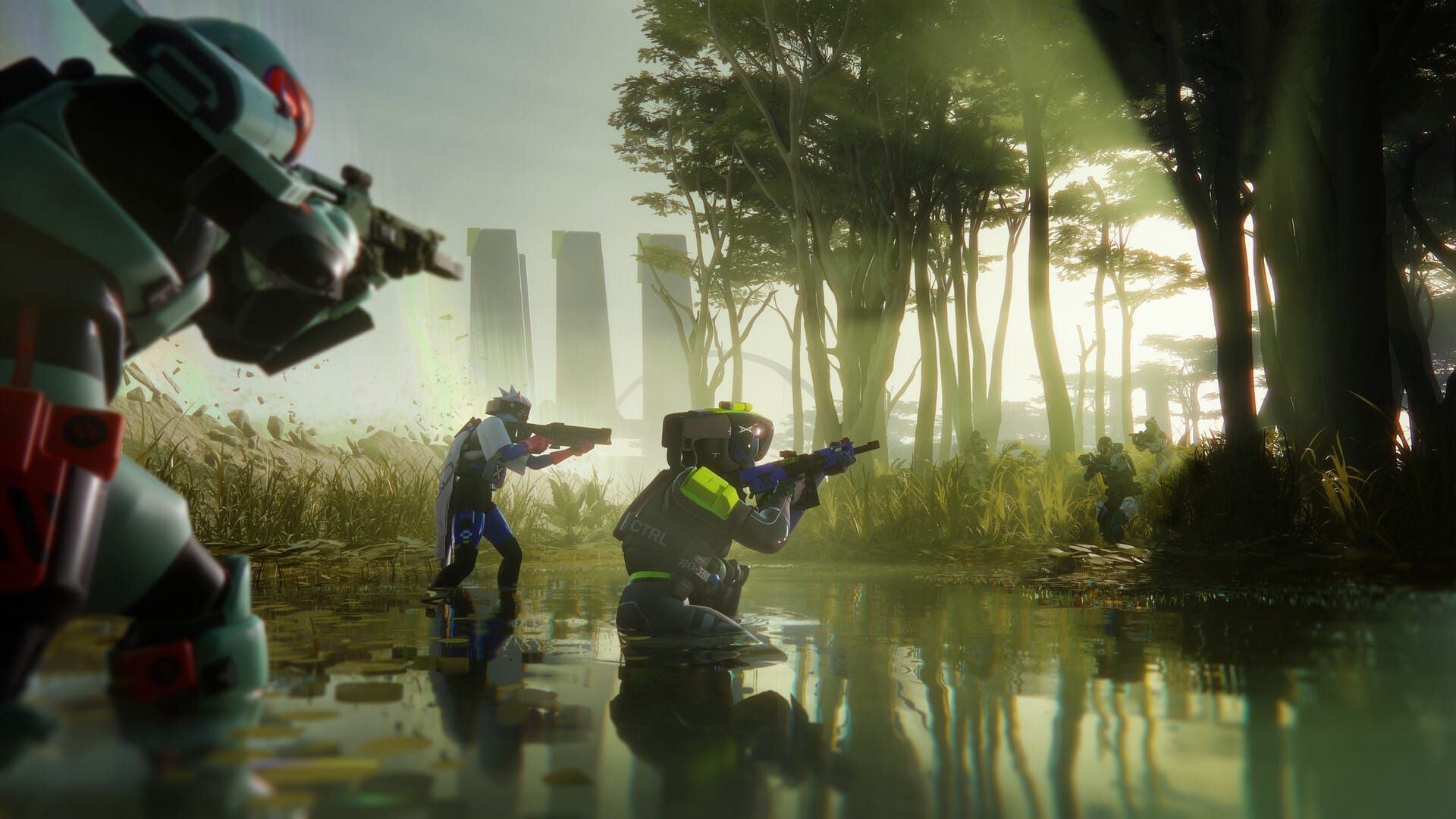
The next update to Destiny 2 is going to be the last, and development of the game will end with it. At the same time, Bungie is expecting (yet) another round of layoffs. I’m here to argue that this was entirely predictable and no one’s fault but their own.

I want to be clear from the start: I am not a Bungie hater. I think it’d be pretty easy to argue, in fact, that Bungie was the most important (or, at least, the most influential) video game dev in the world at the turn of the century. I have played every Halo game (some multiple times) and Halo: Combat Evolved is decidedly in the top 10 greatest video games of all time. Hell, I’m pretty sure I still have an external hard drive around here somewhere named 343 Guilty Spark. I was playing Destiny during the “that wizard came from the moon” alpha. My opinion of the studio has fallen in the Destiny era, but I would still go so far as to call myself a fan. At one point, at least.
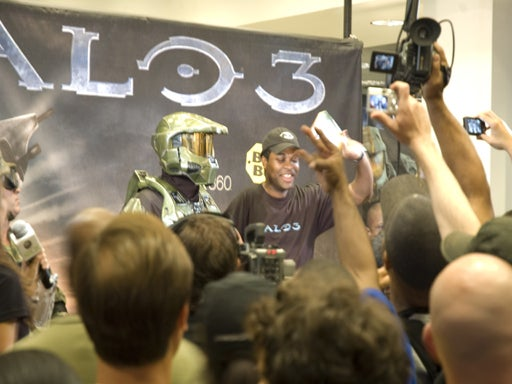
Bungie’s story is one of successes, growth, and more successes allowing for further growth. When they were bought by Microsoft in 2000, their Halo franchise became the flagship property for the Xbox. By 2007, the Halo sequels were so popular — Halo 2 and 3 each set records for first-day sales — that Bungie was influential enough to negotiate independence from Microsoft six years after being bought. They had roughly 120 employees at that point.
After their last Halo entry, Bungie signed a deal with Activision Blizzard to publish their next game, Destiny, across multiple platforms. Destiny was the third best-selling game of 2014 and, along with Hearthstone, generated $1 billion for Activision by mid-2016.
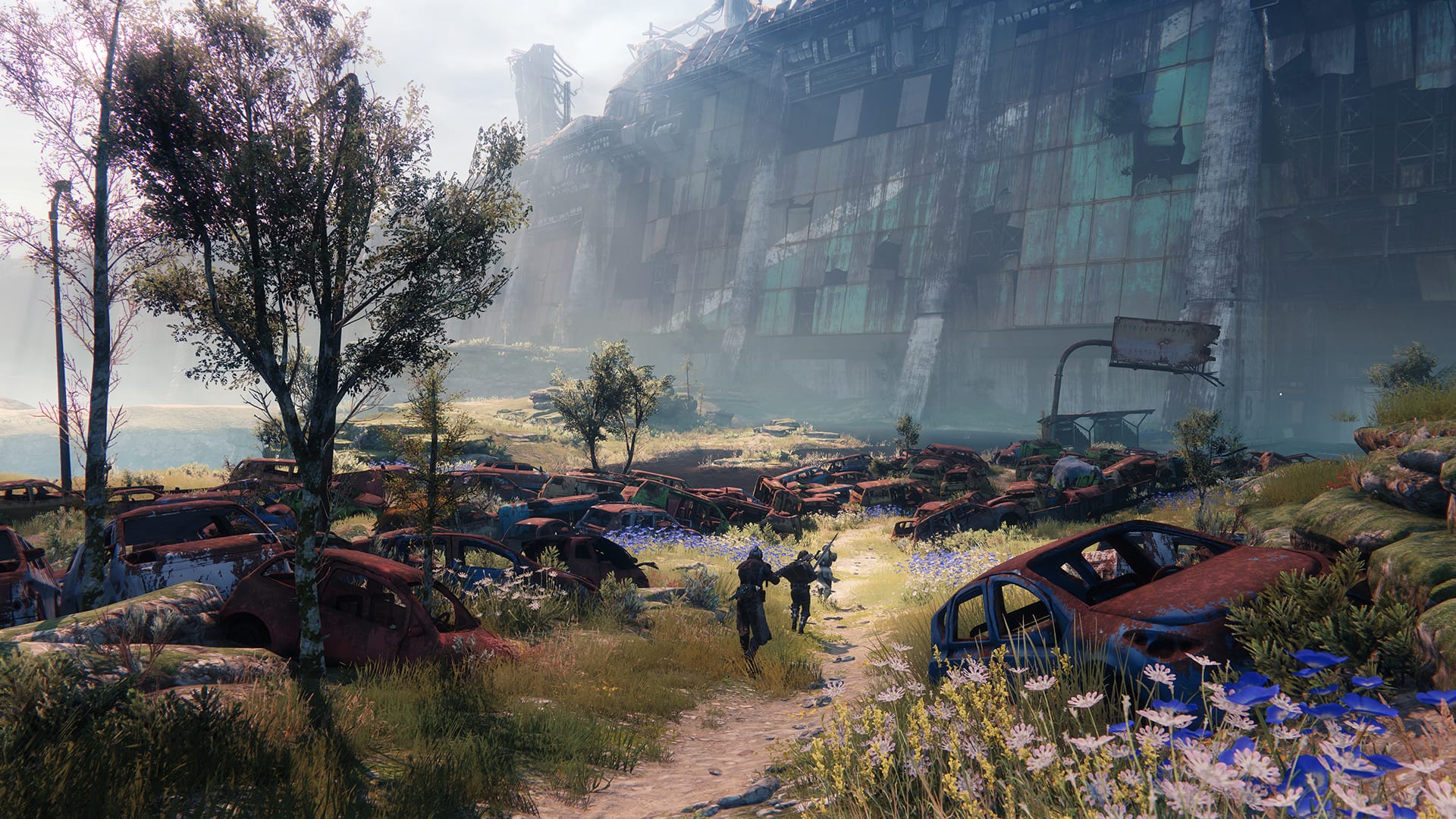
The sequel, Destiny 2, would become the second best-selling game of 2017. But the Destinys marked a transition for Bungie away from the narrative-plus-multiplayer of the Halo era and into a battle pass-microtransaction-living game-Fortnite (derogatory) era. This is more than just criticism based on a preference, though. This transition kind of defined the next decade of Bungie.
By 2019, Bungie and Activision amicably(?) parted ways. The details behind the scenes aren’t really clear, but either Bungie ended things by design because it was their plan all along or Activision ended it because Destiny 2 didn’t generate the “recurring revenue stream” they expected from a live service game. The truth is probably somewhere in between, but, since Activision wasn’t impressed with Destiny starting in late 2018, it was probably closer to the latter.
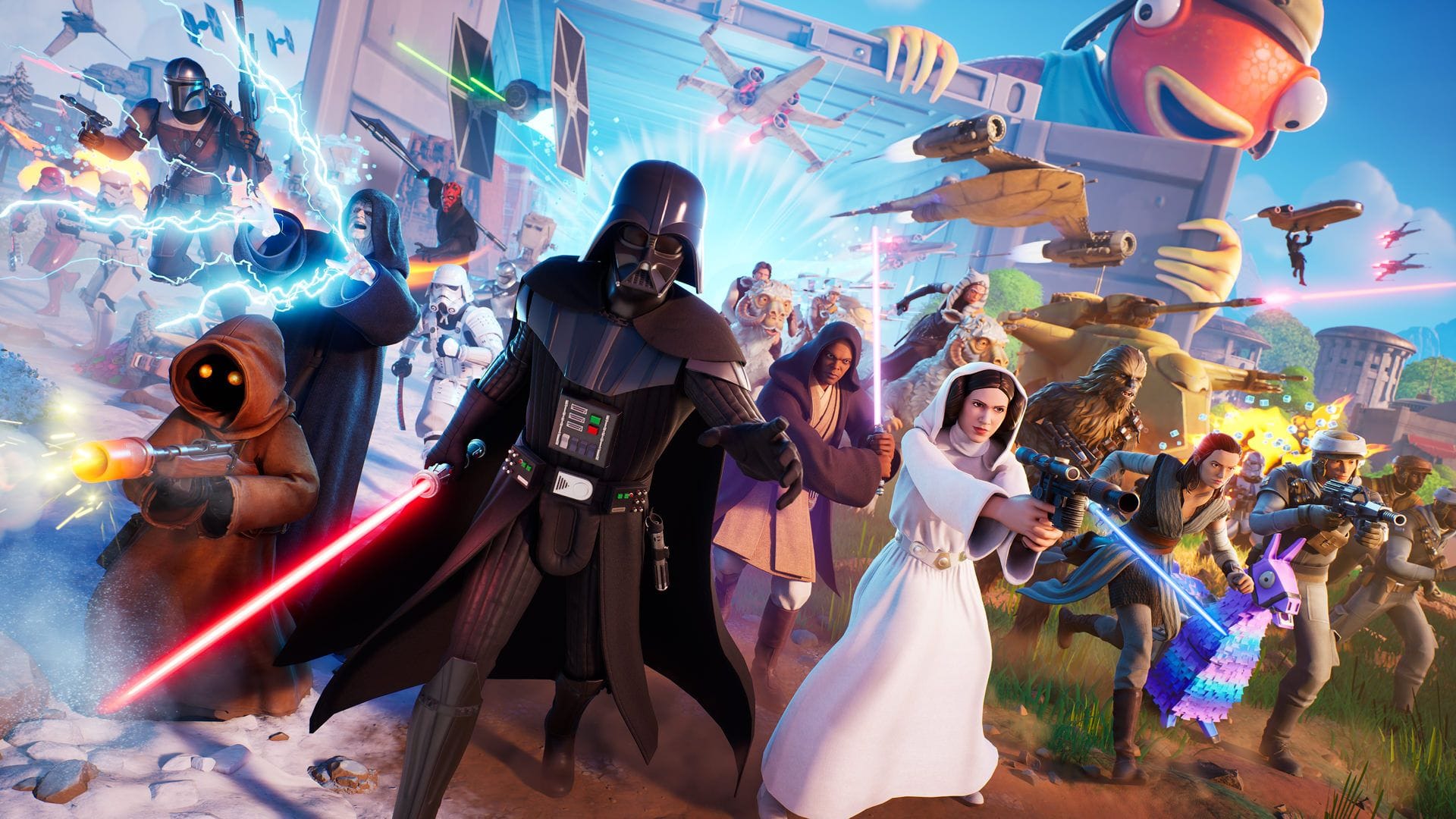
For comparison, Fortnite had made roughly $9 billion in the same time span. And, like Fortnite, Destiny 2 went free-to-play in 2019. (Even to me, comparing Destiny 2 and Fortnite feels a little blasphemous, but if the skin fits …)
Driving this point home, in early 2022, Sony bought Bungie for $3.6 billion dollars (which, for reference, is higher than the GDP of 30 countries). By this point, Bungie had expanded to roughly 1,200 employees. The purchase was explicitly intended to help Sony become a player in the live-service market. It’s a move that didn’t go great right from the start and continues to, let’s say, struggle to thrive. And has cost one studio its existence.
In 2023, Bungie fired 100 people. This was either just company-wide cost saving at Sony or, according to Bloomberg, sales of Destiny 2 were running at 45% under projections and this was a direct result. Another 220 people were let go in 2024 and an additional 150 got moved to Sony — so, not technically fired, but not working for Bungie anymore. By the end of 2024, Bungie had fired over 700 — and maybe as many as 850 — people within one year.
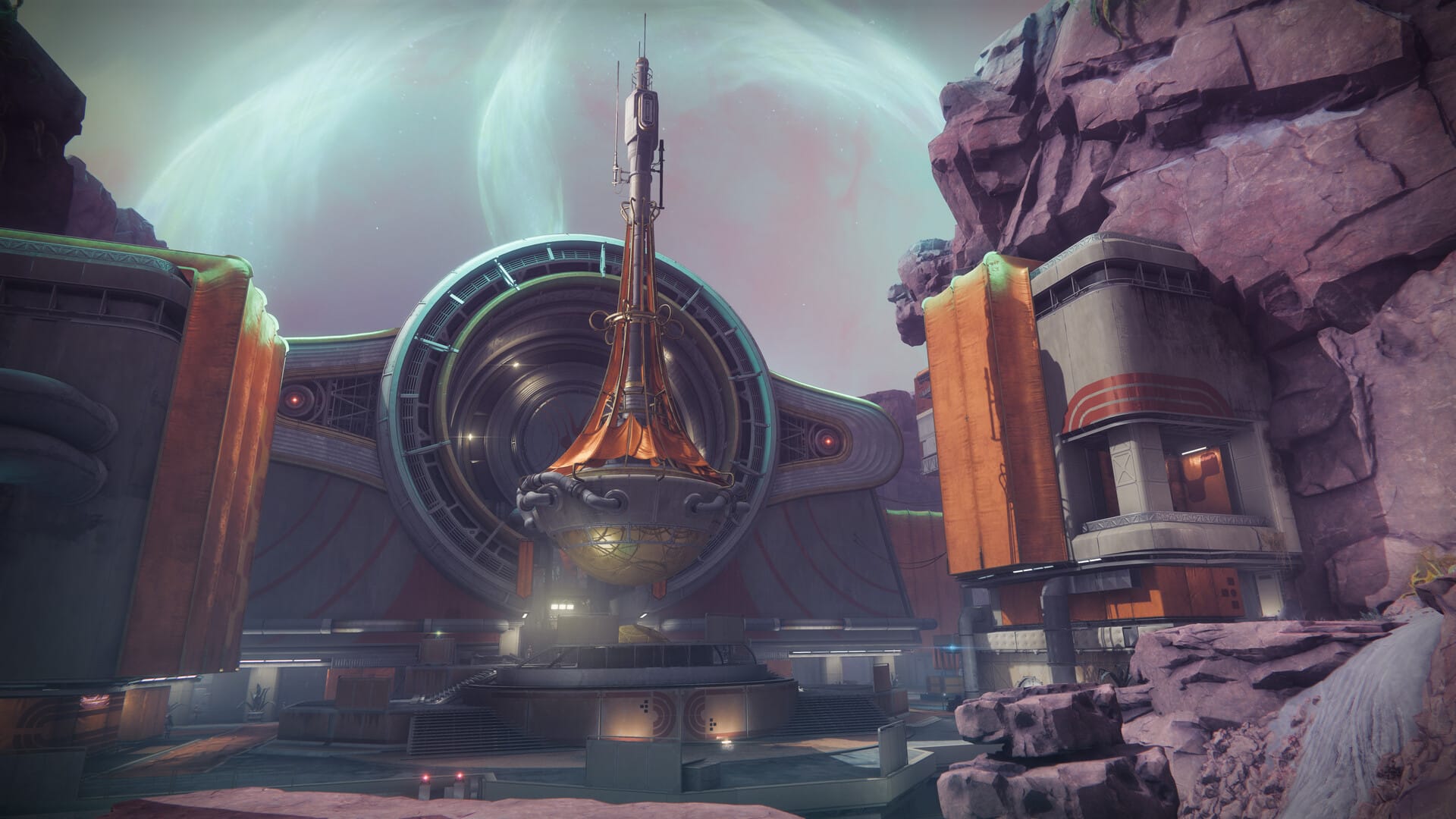
When Destiny 2’s Edge of Fate expansion failed to move the needle — and, in fact, had the lowest player count of any expansion — Sony shifted Bungie even further under their control. In 2025, Bungie’s CEO, Pete Parsons, left the company. He’d been in charge for 10 years, so he had steered Bungie through Destiny and Destiny 2, oversaw a downright toxic company culture, and led them into the acquisition by Sony.
I’ve spent all this time rehashing two decades of history to justify what I started with: none of this was ever going to go well for Bungie. While both Destinys had successful launches, the story of the last nearly 10 years of the games and their expansions is a story of failing to meet (unreasonable) ongoing projections or win back players. And then Sony showed up offering $3.6 billion — about $4.2 billion adjusted for inflation (whee) — which is just an unreasonable amount of money. And instead of refocusing, reevaluating, or undertaking any sort of self-reflection, Bungie took that money.
By the end of 2025, Destiny 2’s struggling performance had impacted Sony’s profits to the tune of $204 million. Bungie and Sony launched Bungie’s next game, Marathon, in March 2026 after a … difficult alpha and indefinite delay. By May of 2026, Marathon’s similarly struggling performance cost Sony another $565 million. So far.

I don’t necessarily think that Sony is going to shutter Bungie. I don’t think that’s out of the question, especially here in 2026, but I don’t think that’s their next step. I also don’t see Marathon turning around, though, if for no other reason than Destiny 2 never did. Bungie has big plans for Marathon, but it’s undoubtedly going to have to do it with an even smaller team than before. Maybe it’ll be successful enough to maintain Bungie at 500 people, but I doubt it — mostly because it’s not Bungie’s call anymore. It’s Sony’s.
Sony made a $4 billion gamble that Bungie went along with. Taking that money, Bungie pinned its own success and continued existence to Sony's unreasonable commercial expectations of live-service games. And the Fortnite of it all — pre-1,000 person layoff — made those expectations unsustainably (or unattainably) high. Sony expected to spread that cost across the profit streams from several live-service franchises. When basically none of those became real and when Marathon didn't immediately turn a profit, the blame fell onto Bungie because of course it did. And, as always happens, when blame falls onto a company, workers pay the price.