


Wolverine's blue scent brouhaha is a consequence of our illiterate age
The controversy over a minor mechanic in Insomniac's Wolverine may be a sign of a larger issue


I’ve done a pretty good job at inoculating myself from the worst of The Discourse, engineering my algorithm to provide a constant stream of cats and silly bullshit. But even in my cocoon, some controversies are so widespread that even I am forced to know about them. I do not own Wolverine and I have no real interest in playing Wolverine, but boy howdy, I know all about why people online don’t like Wolverine.
There’s the relatively modest campaign length, only clocking in at around sixteen hours. Some people seem really mad that the various costumes for Logan don’t have context-specific animations. But the biggest controversy is, of course, the blue scent trail.
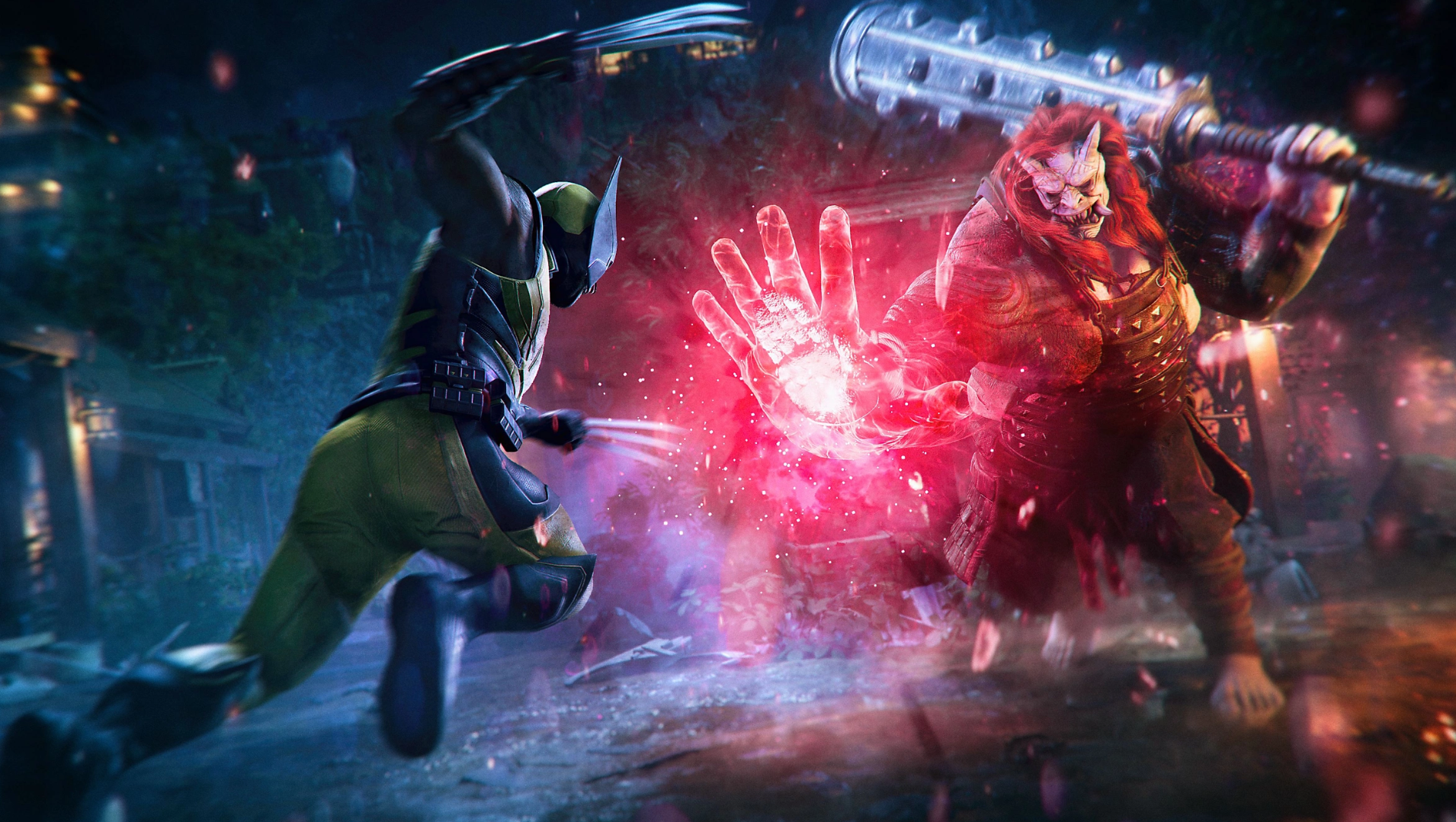
Logan’s mutant powers include a keen suite of senses, and Insomniac represents this in-game with blue visuals, like a trail that the player can easily follow. This isn’t a particularly novel mechanic; Dead Space, Fable 3, and Starfield all come to mind as games with built-in guidance system. But in a game that’s already more linear than the Spider-Man games, I can see why some players found Wolverine’s sense annoying; Insomniac have already reduced the effect and are looking to make it an optional toggle.
But it also raises an interesting question, doesn’t it? Mechanics like Wolverine’s scent trails or the much maligned bright paint splashed on platforming surfaces in many games draw a lot of ire; people call it hand-holding, patronizing, and immersion breaking. Games aren’t released into a vacuum; they are made to be played by masses of people, and in 2026, literacy is a major concern. It can be difficult to track exact statistics, but the commonly accepted number is that 21% of adults in the States are illiterate.