


The death of physical media only benefits corporations
Sony delivers the latest nail in physical media's coffin.

Just this week, PlayStation users in the UK were told that certain movies they purchased from the PlayStation Store would be removed from their libraries on September 1. The movies are the victim of the end of a licensing agreement between Sony and StudioCanal. So, if you thought you purchased movies like Paddington, Terminator 2, or Rambo 3 (weird date night marathon, but you do you), no you didn't. You bought a long-term lease that can be terminated at any time.
This has happened before. In 2024, Sony merged two of their anime-themed properties, Funimation and Crunchyroll. Funimation had been including streaming codes in their DVDs for years — if you bought the DVD, you could also stream the show you bought "forever." When Sony merged the two companies, they deleted those digital libraries.
There's a chance Sony will renegotiate their agreement with StudioCanal before September and the movies won't disappear, but even if they do, it's a reminder that you don't own digital media. Your digital library is another streaming service. It operates on a much longer time frame, but the same rules apply. Your access to your own library is forever dependent on the whims and limits of licensing agreements.
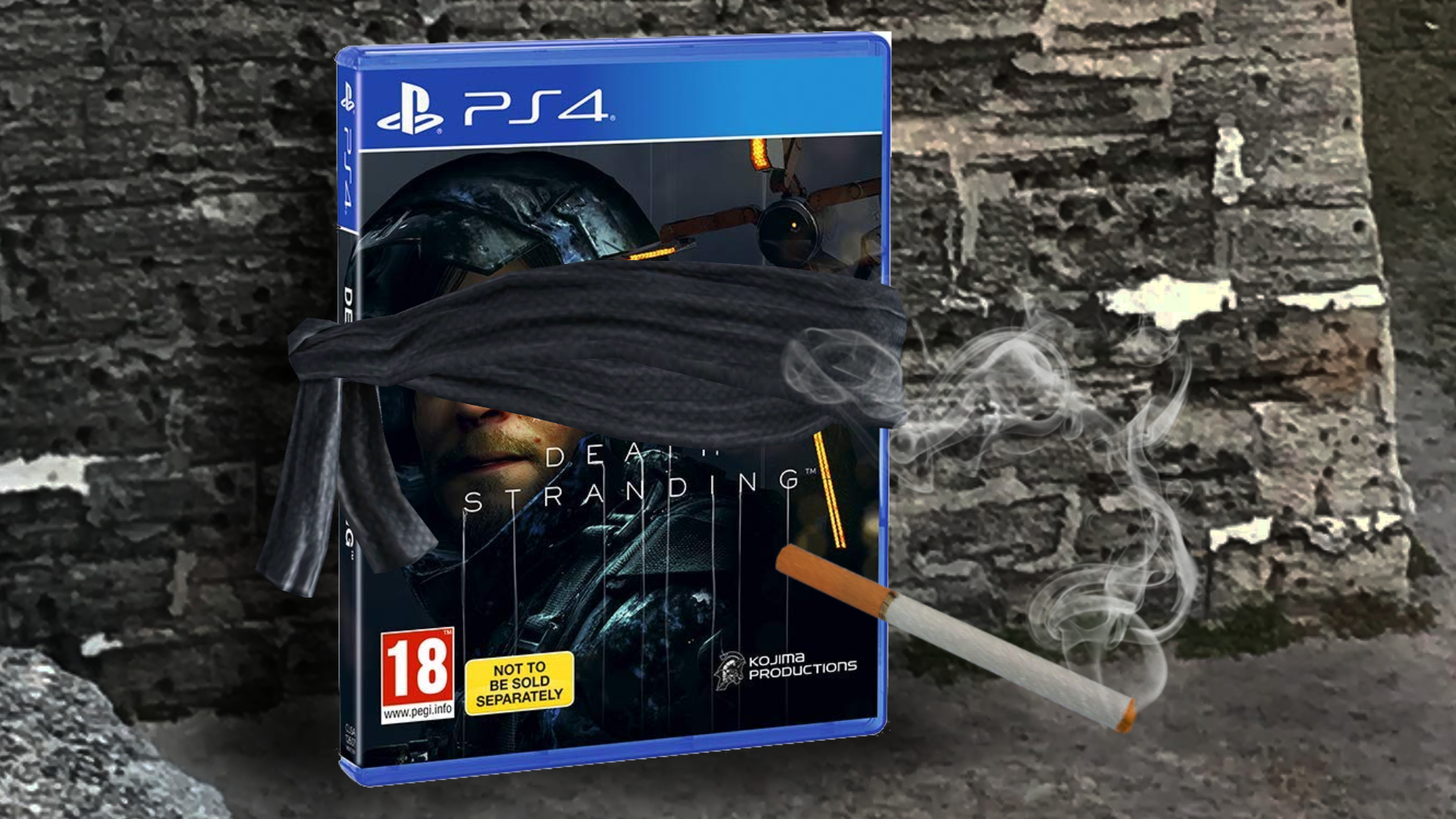
This news comes the same week that Sony has announced that it will no longer be producing physical copies of its game releases starting in January 2028 and just a couple weeks after we found out that pre-ordered physical editions of GTA 6 will ship with empty boxes containing a download code. The party line is that it just doesn't make any financial sense to make physical editions any more.

For Sony, digital sales have outpaced physical sales for seven or eight years now. This year, the number is reportedly as high as 85%. Gamers have voted with their wallets and the vote is overwhelmingly for digital media.
Except that's not really true. Sony's figures include free-to-play games, digital-only games, PlayStation Plus games, some DLC, and has some PS4 games mixed in too. It is inaccurate at best and flat-out bullshit at worst. It's a misleading justification for a decision they've already made.

Regardless of the reasons they're giving, the decision is already being enacted. Sony DADC in Thalgau, Austria is Sony's largest manufacturer of physical discs — up to 600,000 per day. They're already moving staff away from making discs and have invested €30 million into making optical microlenses instead.
Apropos of nothing, and I'm sure this has no influence on the decision, optical microlenses are used in data centers.
But back to Sony's decision. With the death of the physical disc, Sony will no longer have to pay for manufacture, design, packaging, and shipping of physical editions of their games, but none of those savings are coming to the consumer. You're still going to pay full price for a game — $80, apparently — and you'll have to live with the knowledge that you're only licensing the game from Sony when you "buy" it. There will always be the chance that games in your library might just disappear one day when a licensing agreement runs out.
Between Sony's announcement and some rumors/leaks about Xbox's coming Project Helix, it's almost certain that the next generation of consoles will be digital-only and won't ship with drives. Sure, this will save a few bucks on manufacturing — leaks suggest that the PS6 will cost $960 to produce — but that isn't going to help much on the consumer side when the next generation of console is almost certainly going to cost over $1,000 to buy.
And, yes, this is all the direct result of the ongoing RAMmageddon. The demand by data centers for CPUs, GPUs, RAM, and storage is driving the price of every electronic component up. The last time I checked the parts list for my budget PC build, the cost had nearly doubled. When I check it today, half of the parts aren't even available any more.
It's tempting to say that the death of physical media is about control. No more discs means you can't lend out your game or give it away. It's harder to curate and preserve digital-only media. There's no such thing as a used digital game — no more trade-ins or cheap copies. You don't own your library any more.
But, really, it's about money. Corporations save a few bucks on manufacturing costs and pass none of it on to you. It doesn't matter that consumers don't want it. It's that the company money number go up. You losing another modicum of the rapidly eroding concept of ownership is just a bonus.