


They tried to private equity the World Cup
The parasites' latest attempt to extract profit from joy

Soccer is one of those pure sports. It doesn't require elaborate infrastructure, expensive equipment, huge amounts of space, or a history of being colonized (but that last one admittedly helps). It's just a ball-shaped object, a relatively flat patch of land, and a lazy hour or two. You can play it in a backyard, an abandoned lot, a patch of dirt, or in the street. It's infinitely adaptable in ways that nearly all other sports aren't.
Recreational sport, especially in the US, is inherently classist. In general, it requires huge investments of money, time, resources, and space. You can’t just have a spontaneous game of tennis in the middle of the street one afternoon. A game like hockey requires the cooperation of the climate and specialized footwear. You can’t pick up bobsledding in the park on a whim. You can’t have a pick-up game of cricket without a superhuman capacity to tolerate tedium and two weeks off from work. A game of the more popular, CTE-inducing American football requires a couple hundred dollars worth of gear at a minimum, but even a toned-down game of flag football has a space requirement that a lot of people around the world just don’t have access to.
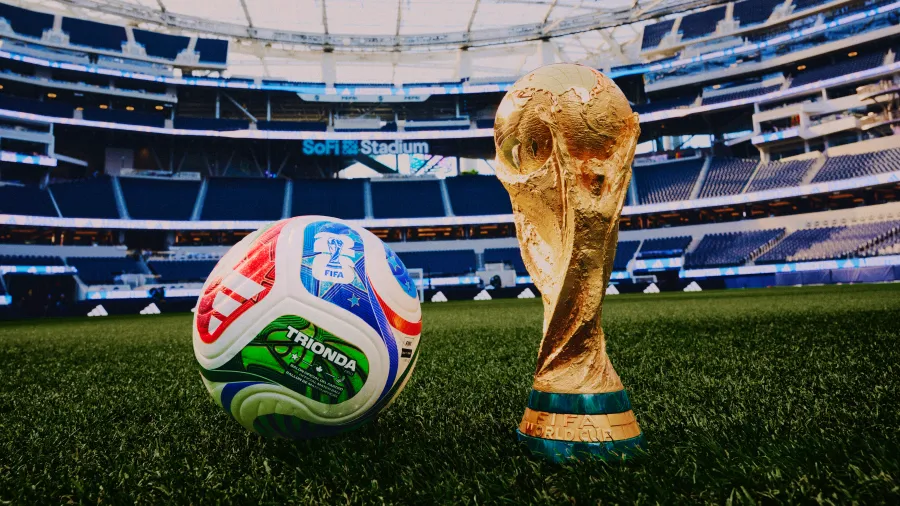
But not soccer. There’s a reason it’s the most popular sport in the world. Soccer is accessible and attainable. Hell, the exact same Adidas ball used in the 2026 World Cup final costs $170. Sure, that’s a lot of money for a soccer ball, but that’s the ball.
Soccer is simple. Soccer is pure. Soccer is universal.
That's also why it's so easily exploited.
Association football — official soccer with its standardized rules and the tournaments and whatnot — has been governed by the Fédération Internationale de Football Association since 1904. FIFA has more members than the UN. It is a globe-spanning nonprofit that is instrumental in bringing the most popular sport to the world.
FIFA is also a wildly corrupt institution.
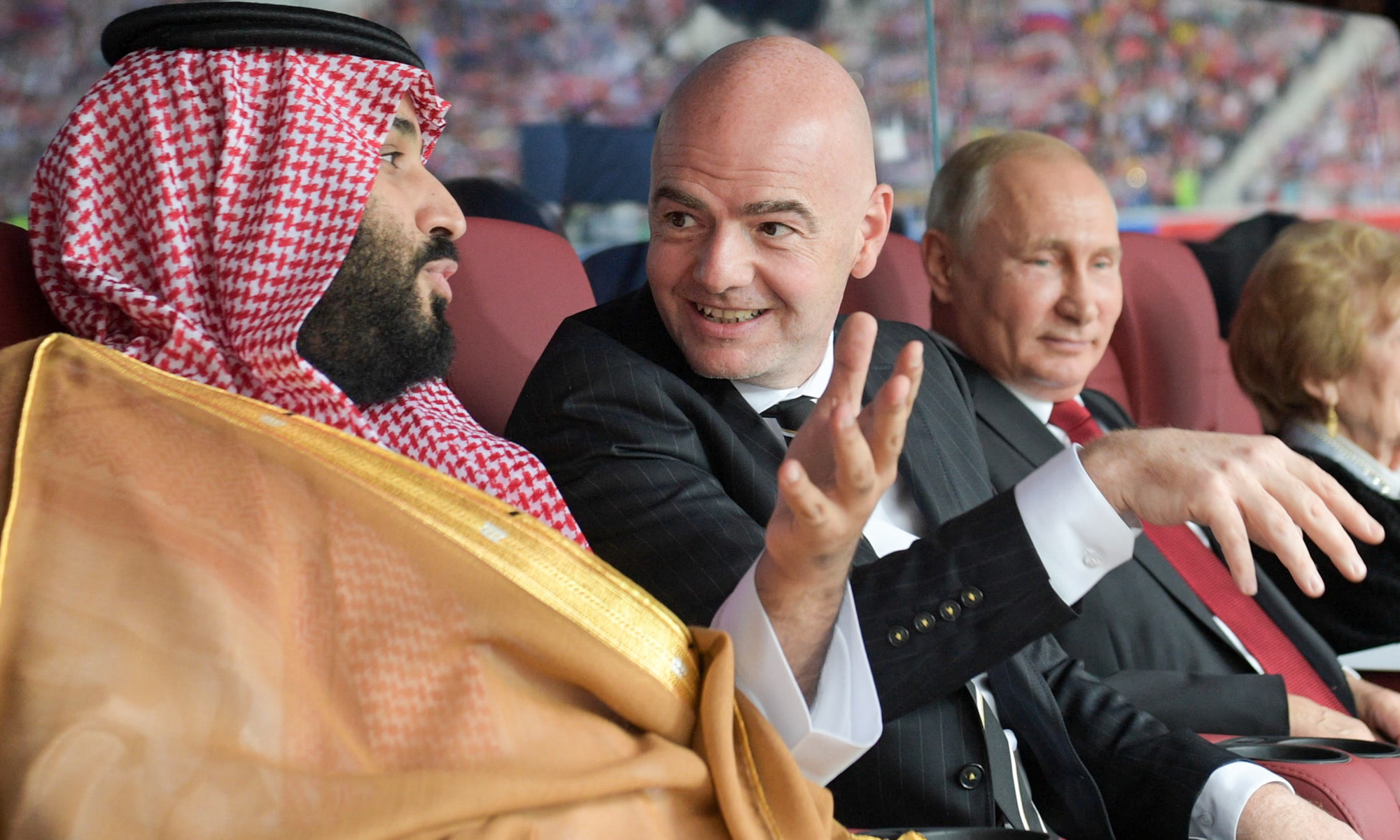
If nothing else, FIFA has a history of cozying up with authoritarians. “I will say something which is crazy, but less democracy is sometimes better for organising a World Cup,” as former FIFA Secretary General Jérôme Valcke put it in 2013. FIFA held the second ever World Cup in Mussolini’s Italy, the 1978 World Cup in Argentina under its military junta, the 2018 World Cup in Russia just two years after Putin invaded Ukraine, the 2022 World Cup in Qatar, and the 2026 World Cup in North America (mostly the United States). The World Cup is basically the example for sportswashing — reputation laundering through bread and circuses.
And this is all to say nothing of the bribery and corruption.
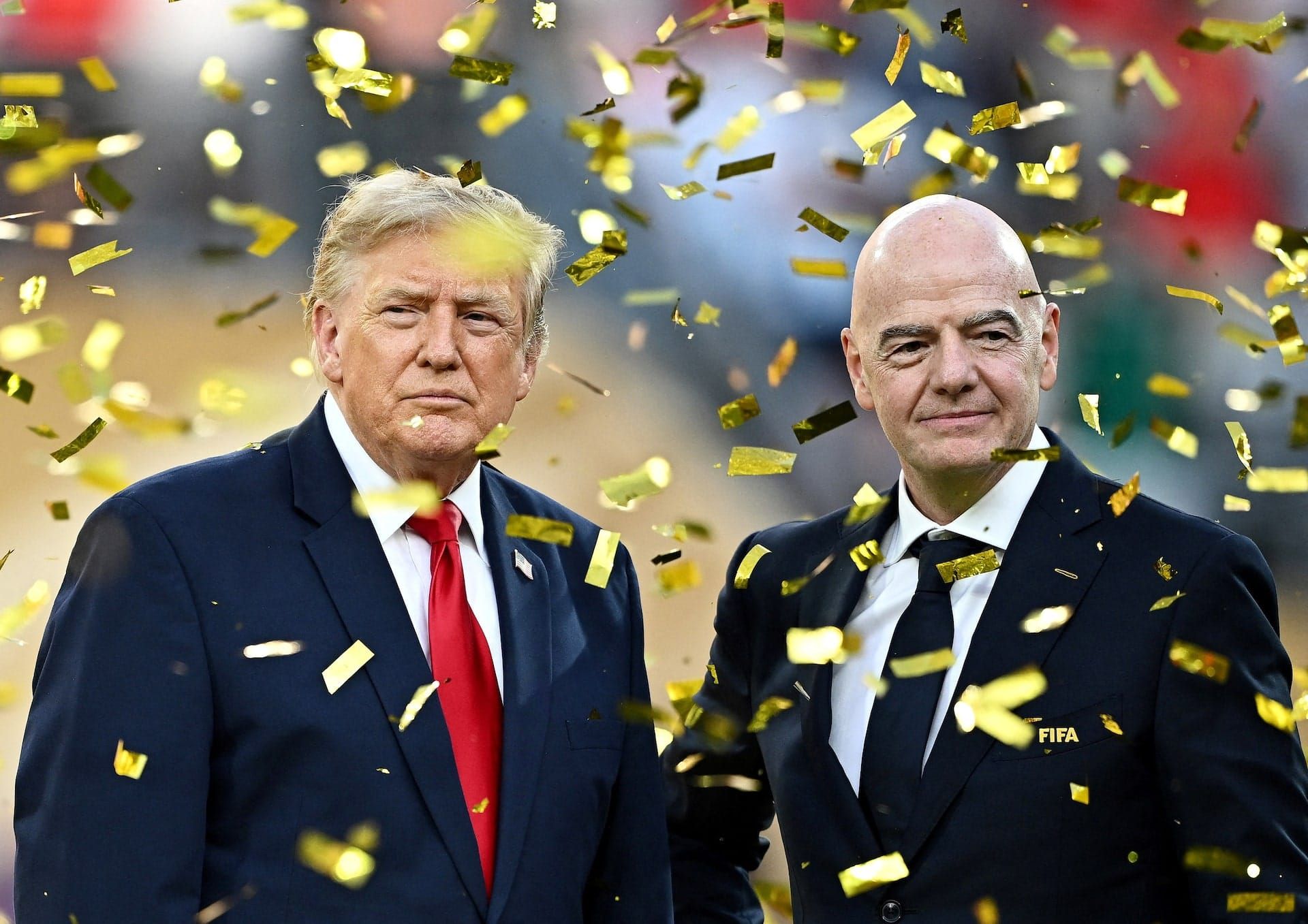
Going through the wikipedia entries for the previous World Cups, it’s shocking how many of them involve the phrase, “marred by controversy.” Just this year alone, you may remember the made-up FIFA Peace Prize awarded to President Trump because he’s such a fragile crybaby and FIFA overturning a red card because Trump told them to.
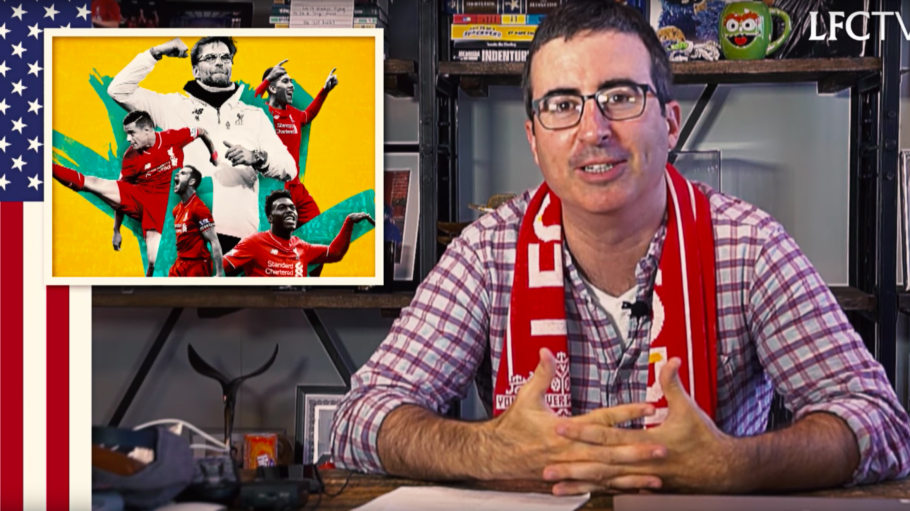
For a lot of people — like, famously, John Oliver — FIFA is a necessary evil for the chance to watch the planet’s most important sporting event. That’s not hyperbole either. In 2018, almost half of the world’s population watched the World Cup. That’s over 30 times the viewership of the Super Bowl from the same year. It’s a big deal.
It’s also big business. FIFA, the nonprofit, has about $10 billion in assets and is expected to announce $15 billion in revenue from this year’s World Cup. And those are just the sort of numbers the parasite class takes note of.
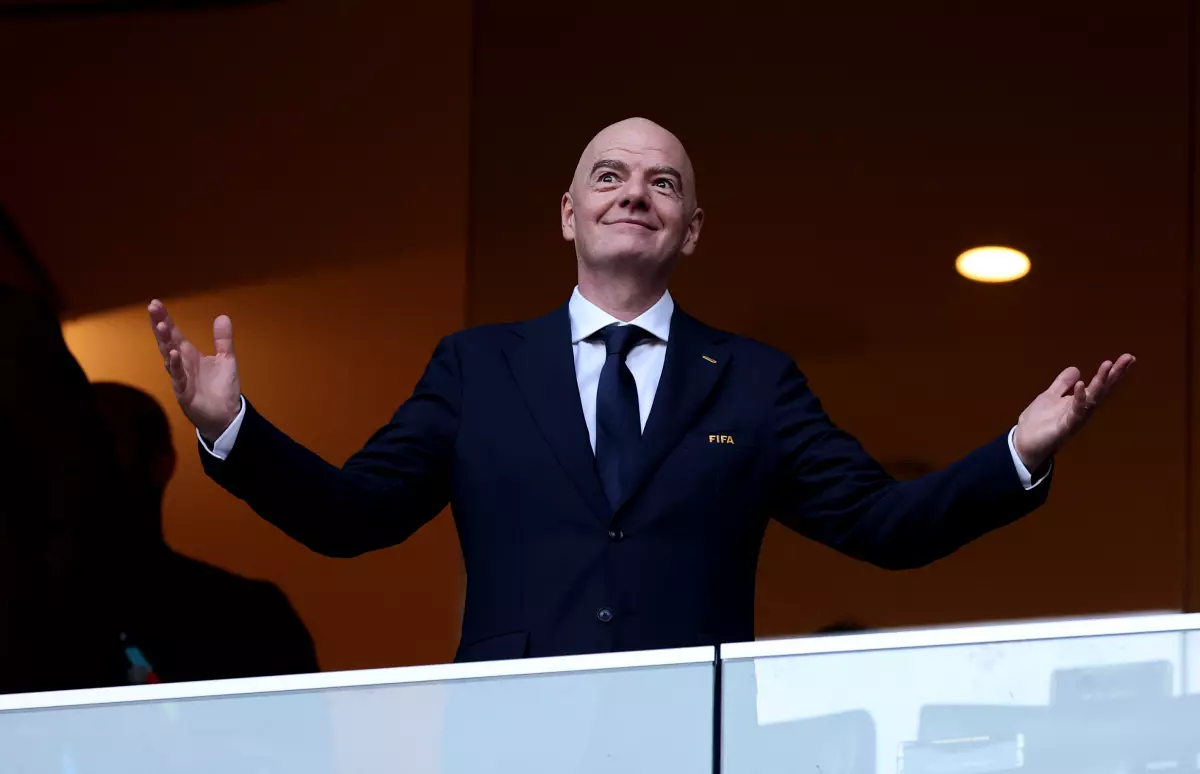
To that end, last week, FIFA President Gianni Infantino announced plans to create a company called FIFA Forward Enterprise that would run the World Cup. This would take the event from the vaguely-but-not-really democratic and in-name-only non-profit endeavor it currently is, and turn it into a purely profit- and shareholder-driven enterprise. This, by the way, is the second time Infantino has tried this. That he would end up with a cushy eight-figure job as a result, I'm sure, has nothing to do with his plans.
This most recent scheme would sell a minority stake (reportedly 20%) of control over the World Cup tournament to investors to the tune of $20 billion. The deal would transfer control over things like licensing, broadcasting, and ticketing for the World Cup from FIFA to the new company. In other words, they'd control access.
Infantino insisted that the new company would remain under the control of FIFA, but the lead investor into this new company was going to be Thrive Capital — a venture capital firm founded by Joshua Kushner, the brother of the president’s son-in-law — so people were dubious.
To help sell the idea, Infantino promised roughly $7 million per year to FIFA member associations if they supported his plan. This, admittedly, is an extremely beneficial amount of money for some of the poorer FIFA members. There was, however, zero transparency about who the other investors would be and how much control they would have over decisions about the World Cup — things like timing, host country, streaming rights, and ticket pricing.
The proposal was almost immediately opposed by basically everyone on Earth, from football associations to world governments. There were threats of boycotts from the largest FIFA members. At least one FIFA official resigned, and Infantino is now facing a vote of no confidence in his presidency. He withdrew the proposal three days after introducing it. Rumor has it, he’s currently trying to reach Trump to help bail him out.
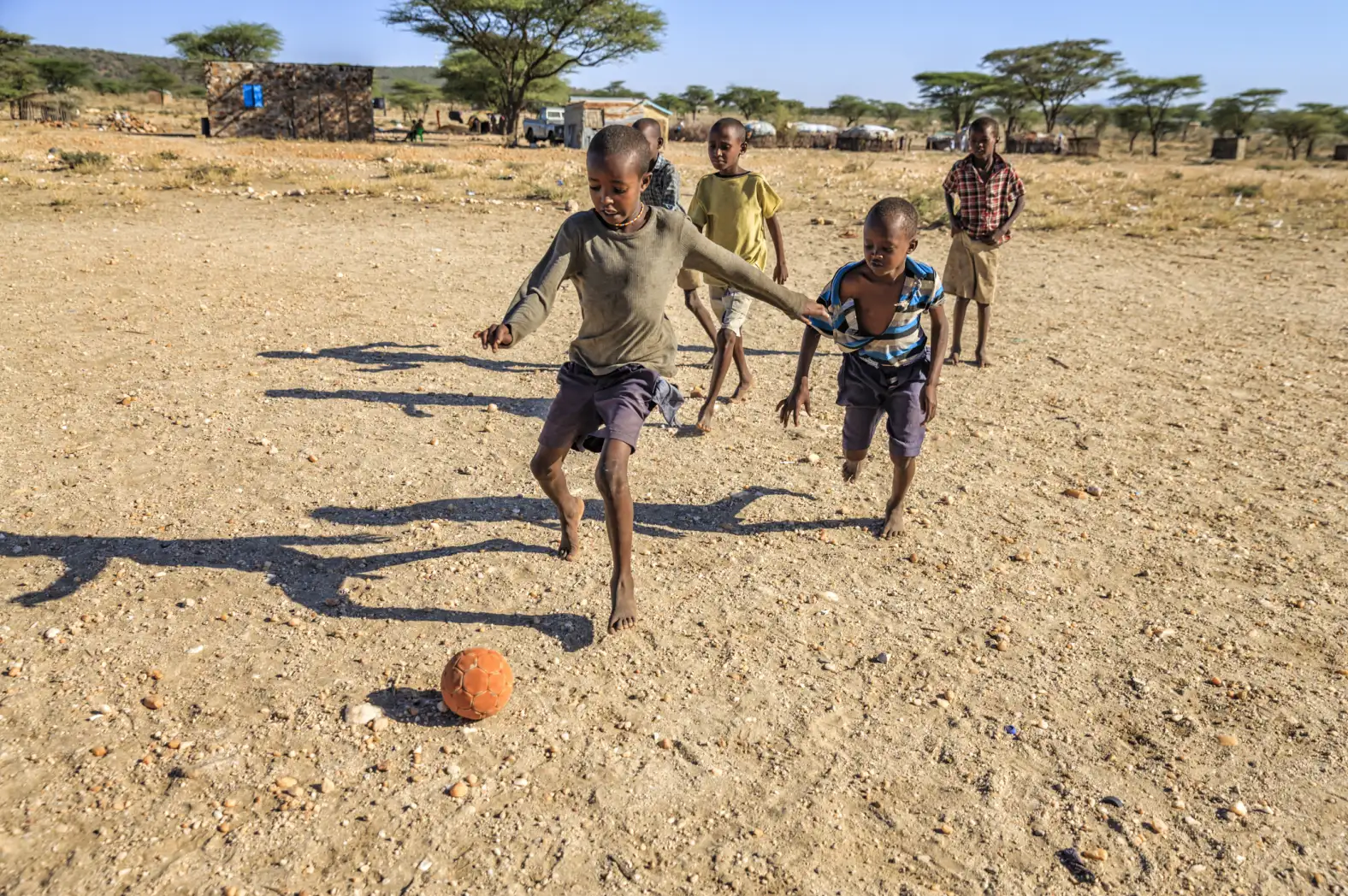
There are a lot of important lessons to take away from the events of the last week. More than anything, it’s a warning. It’s not just that, in this information and extraction economy, you are a product and your very existence is exploitable. It’s that even your joy is a resource to be mined and profited from. Because to the wealthiest people on the planet, there could be no other purpose for it. Who else but a parasite could look at the smile of a child in a tiny village with a handmade soccer ball and think, “But who profits?”
Nothing is immune to the exploitation of the billionaire class. Nothing. No business, life-saving service, food chain, artist, or pastime is safe. But, more importantly, nothing is made better when profit becomes the focus. There’s no company that will magically survive a push to maximize wealth extraction. There’s no service that will be made better by a focus on shareholder value. No art is made better when profit is the sole goal.
But that won’t stop them from trying.
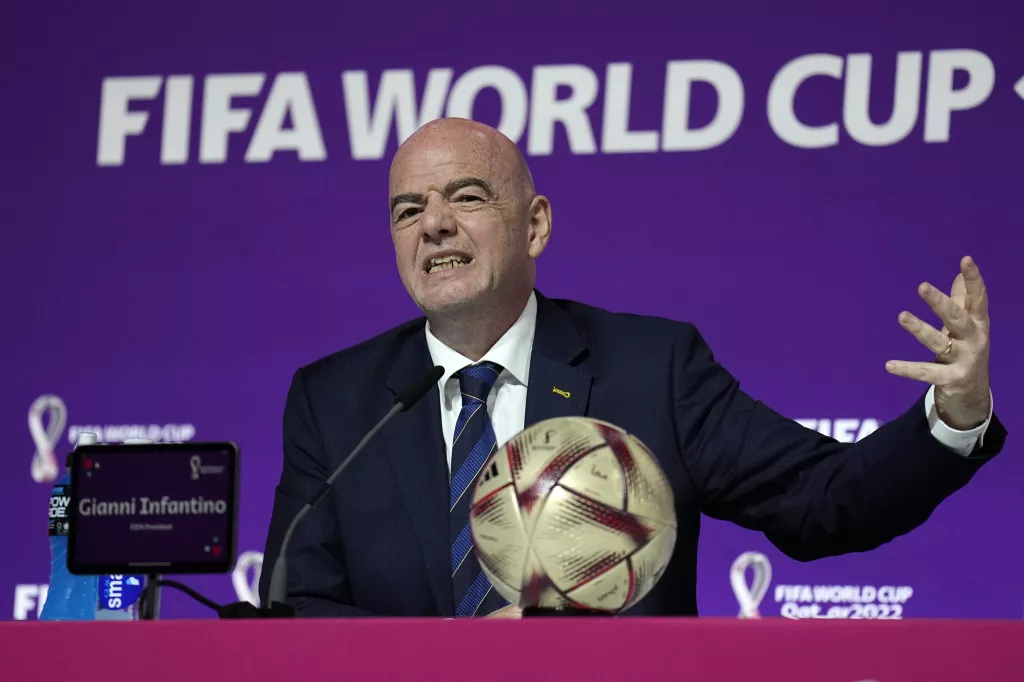
The other lesson of this week, though, is a bit more rosy. It's that solidarity works. Football associations threatening to boycott FIFA events served the same function as unions threatening to withhold labor. Sure, this was a particularly egregious example of the exploitation athletes face and on a global scale, but organized opposition successfully shut it down. In just three days.
Threatening the profits of the parasite class works. Boycotts work. Boycotts work best when they’re organized, at scale, and no one breaks ranks, but they work. They don’t make the existence of billionaires any more palatable, but they do bully them into behaving like human beings.
For a little while at least.